440 West End Avenue, Suite 1C New York, NY 10024


A bright, healthy-looking smile can make you feel more confident in everyday conversations, photographs, and important moments. But what happens when your teeth gradually turn yellow, even though you brush every day? Tooth discoloration is common, and it does not always mean you have poor oral hygiene. Several everyday habits, natural changes, and dental conditions can affect the color of your teeth.
If you have noticed changes in your smile, understanding the cause is the first step toward finding the right solution. With Teeth Whitening in New York, adults can explore professional options to address stubborn stains and improve the appearance of their smiles. The key is identifying why the discoloration is happening before choosing a treatment.
What Causes Teeth to Become Yellow or Discolored?
Your teeth naturally change color over time. However, certain habits and dental conditions can make discoloration more noticeable. Here are some of the most common reasons your smile may lose its natural brightness.
- Coffee, Tea, and Dark-Colored Beverages
Your daily morning coffee or afternoon tea may be affecting your tooth color more than you realize. These beverages contain compounds called tannins, which can attach to the enamel and leave behind surface stains.
Other beverages that may contribute to discoloration include:
- Red wine
- Dark sodas
- Black tea
- Certain fruit juices
- Sports drinks with artificial coloring
Frequent exposure can cause stains to build up gradually. Rinsing your mouth with water after consuming these drinks and maintaining regular dental cleanings can help reduce surface staining.
- Smoking and Tobacco Use
Tobacco is another major contributor to yellow and brown tooth stains. Cigarettes contain nicotine and tar, which can leave noticeable discoloration on the enamel.
Over time, these stains may become difficult to remove with regular brushing alone. Tobacco use can also increase the risk of gum disease, bad breath, and other oral health problems.
Reducing or quitting tobacco use can protect your oral health and help prevent additional staining.
- Poor Oral Hygiene Habits
Not brushing and flossing consistently allows plaque to collect on your teeth. Plaque is a sticky layer of bacteria that forms naturally throughout the day.
When plaque is not removed, it can harden into tartar, which may appear yellow or brown. Tartar cannot be removed with an ordinary toothbrush and requires professional dental cleaning.
To maintain a healthier-looking smile:
- Brush twice daily with fluoride toothpaste.
- Floss once a day.
- Replace your toothbrush every three to four months.
- Schedule regular dental checkups.
- Clean your tongue to reduce bacteria.
Good oral hygiene helps prevent plaque buildup and supports healthier teeth and gums.
- Natural Aging and Enamel Wear
Sometimes, yellow teeth are simply part of getting older. Your teeth have an outer protective layer called enamel. Beneath it is dentin, a naturally yellow-colored tissue.
As you age, enamel gradually becomes thinner due to normal wear. This allows more of the underlying dentin color to show through, making your teeth appear darker or more yellow.
Although you cannot completely prevent natural aging, proper dental care can help protect your enamel and maintain your smile.
- Certain Medications and Dental Treatments
Some medications can affect tooth color, particularly when exposure occurs during tooth development. Certain antibiotics, including tetracycline, may cause permanent discoloration when taken during specific developmental stages.
Other factors that may contribute to discoloration include:
- Certain antihistamines and blood pressure medications
- Chemotherapy and radiation treatments involving the head or neck
- Excessive fluoride exposure during tooth development
- Some dental materials used in previous treatments
If you notice unusual discoloration after starting a medication, discuss it with your dentist. Never stop prescribed medication without speaking with your healthcare provider.
- Tooth Injury or Internal Discoloration
A tooth that becomes gray, brown, or darker than the surrounding teeth may have experienced internal damage.
An injury can affect the blood supply inside a tooth, sometimes causing the tooth to change color. Previous dental trauma, infection, or damage to the tooth’s nerve may also contribute.
This type of discoloration is different from ordinary surface staining. It may require a dental examination to determine whether the tooth needs additional treatment before any cosmetic procedure.
Why Should You Pay Attention to Tooth Discoloration?
Tooth discoloration is often cosmetic, but it should not always be ignored. A sudden color change, particularly in a single tooth, may indicate an underlying dental problem.
For example, yellow or brown patches may be associated with plaque buildup, while dark spots can sometimes indicate tooth decay. Gray discoloration may be related to previous trauma or changes inside the tooth.
Ignoring these changes can delay the diagnosis of conditions that require attention.
A dental professional can examine your teeth, identify the type of staining, and determine whether the discoloration is purely cosmetic or related to an oral health concern.
Can Yellow Teeth Affect Your Oral Health?
Yellow teeth do not automatically mean your teeth are unhealthy. However, some causes of discoloration are connected to dental problems.
Potential concerns include:
- Plaque and tartar buildup: These deposits can contribute to gum inflammation and tooth decay.
- Enamel erosion: Acid exposure and wear can weaken the protective outer layer.
- Tooth decay: Certain dark or yellow spots may indicate damage to the tooth structure.
- Gum disease: Poor oral hygiene can lead to inflammation, bleeding, and damage to supporting tissues.
It is important to identify the underlying cause rather than trying to cover up every discoloration with whitening products.
How Can Professional Teeth Whitening Help Restore Your Smile?
When stains are caused by coffee, tea, tobacco, or natural aging, professional whitening may help improve the appearance of your teeth.
Unlike many over-the-counter products, professional whitening uses controlled whitening agents selected according to your dental needs.
Depending on your condition and treatment goals, available options may include:
In-Office Teeth Whitening
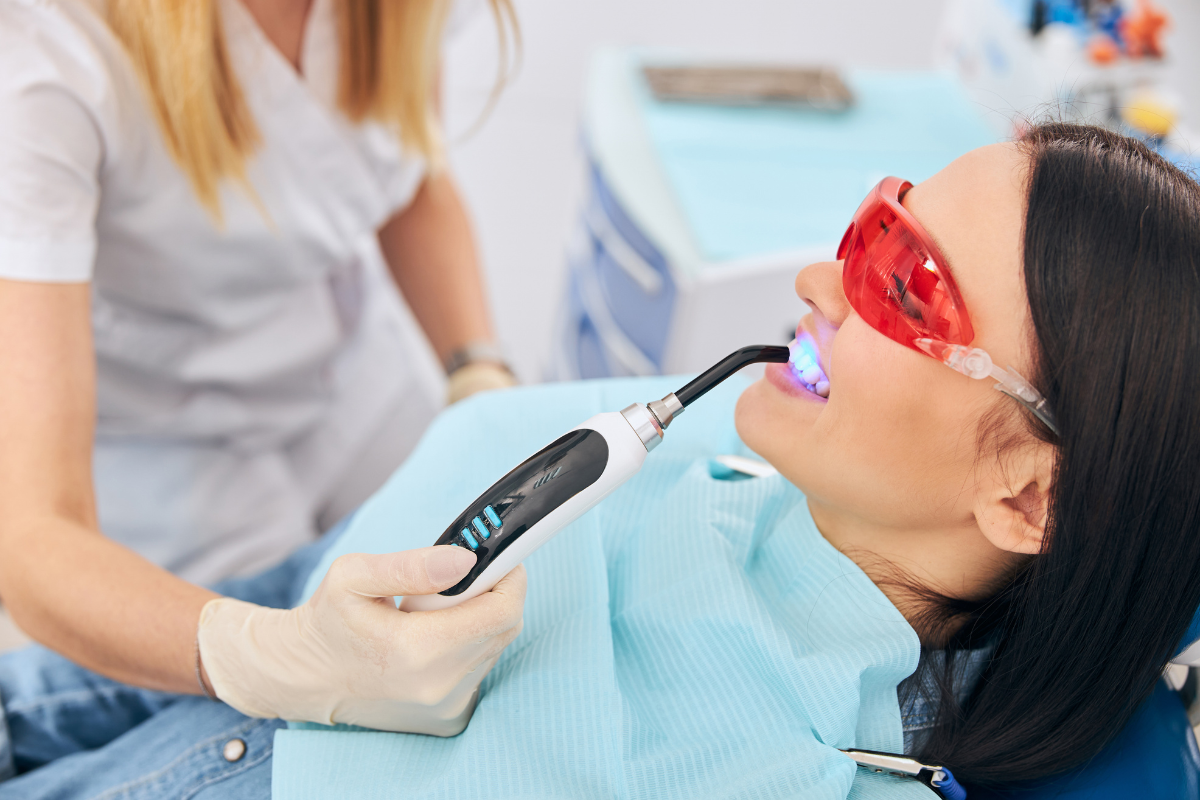
In-office whitening is designed for patients who want noticeable improvements in a shorter period. A dental professional applies a whitening agent to the teeth while taking steps to protect the surrounding gums.
The treatment time and results depend on your starting tooth shade, the type of discoloration, and the whitening system used.
Professional Take-Home Whitening
Some patients prefer a gradual approach. Dentist-supervised take-home whitening systems allow patients to brighten their teeth over time using customized instructions and whitening products.
Your dentist can explain how to use the system correctly and how to reduce the possibility of sensitivity.
Alternative Cosmetic Treatments
Not every type of discoloration responds well to bleaching. Whitening products also cannot change the color of crowns, veneers, or fillings.
For deeper stains or discoloration that does not respond to whitening, your dentist may discuss alternatives such as dental bonding or veneers.
The right approach depends on your enamel condition, existing dental work, and cosmetic goals.
Who Is a Good Candidate for Professional Whitening?
Professional whitening may be suitable for adults who have healthy teeth and gums and want to address discoloration caused by food, beverages, tobacco, or aging.
However, whitening may not be appropriate for everyone.
Your dentist should first check for:
- Untreated cavities
- Gum inflammation or disease
- Cracked or damaged teeth
- Significant enamel wear
- Severe tooth sensitivity
- Existing crowns, veneers, or fillings in visible areas
A dental examination helps determine whether whitening is appropriate or whether another treatment would provide better results.
Get Personalized Cosmetic Dental Care at West End Avenue Pediatric Dentistry
Every smile has different needs, and the best cosmetic treatment starts with understanding what is causing the discoloration. Patients seeking care in New York can benefit from a personalized evaluation that considers their dental health, existing restorations, and desired results.
At West End Avenue Pediatric Dentistry, the focus should be on helping patients understand their treatment options and make informed decisions about their oral health. A consultation can help determine whether professional whitening or another cosmetic approach is appropriate for your smile.
If yellow or stained teeth are affecting your confidence, do not wait until the discoloration becomes more noticeable. Contact the dental team today to discuss your concerns and schedule a consultation for Teeth Whitening in New York. Take the first step toward a brighter-looking smile with a treatment plan designed around your needs.
Frequently Asked Questions
- Why are my teeth yellow even though I brush twice a day?
Brushing helps remove plaque and food particles, but it cannot prevent every type of discoloration. Coffee, tea, tobacco, aging, enamel thinning, and certain medications can cause yellowing even when you maintain good oral hygiene.
- Can yellow teeth become white again?
Yes, many types of yellow discoloration can improve with professional whitening. However, results depend on the cause and severity of the stains. Internal discoloration may require alternative cosmetic treatments.
- Does coffee cause permanent tooth stains?
Frequent coffee consumption can create stubborn surface stains over time. These stains are not necessarily permanent and may improve with professional cleaning or whitening. Limiting exposure can help prevent them from returning.
- Is professional teeth whitening safe for sensitive teeth?
Professional whitening can be appropriate for some patients with sensitive teeth, but an examination is important first. Your dentist may recommend a lower-strength product, a gradual approach, or another cosmetic option to reduce discomfort.
- How long do professional whitening results last?
Results can last several months to a few years, depending on your eating habits, oral hygiene, tobacco use, and maintenance routine. Limiting stain-causing foods and drinks can help preserve your results.
- Can whitening toothpaste remove deep yellow stains?
Whitening toothpaste mainly helps remove surface stains. It generally cannot change the natural color of dentin or effectively address deeper internal discoloration.
- Why is one tooth darker than the others?
A single dark tooth may indicate previous trauma, nerve damage, infection, or another dental condition. It should be examined by a dentist before attempting any whitening treatment.
- Should I get my teeth cleaned before professional whitening?
A dental cleaning may be recommended before whitening because it removes plaque and tartar that can interfere with the appearance of your results. Your dentist can determine the best timing based on your oral health.
Medical Disclaimer – This article is intended for general educational purposes only and does not replace professional dental advice, diagnosis, or treatment. Tooth discoloration can have several causes, and treatment recommendations should be based on an individual dental examination. Always consult a qualified dental professional before beginning a whitening treatment.