440 West End Avenue, Suite 1C New York, NY 10024


A sudden fall during soccer, an accidental hit during basketball, or nighttime teeth grinding can cause damage that affects your smile for years. A chipped tooth, a cracked tooth, or a painful jaw injury can happen when you least expect it. The good news is that the right dental protection can help reduce these risks.
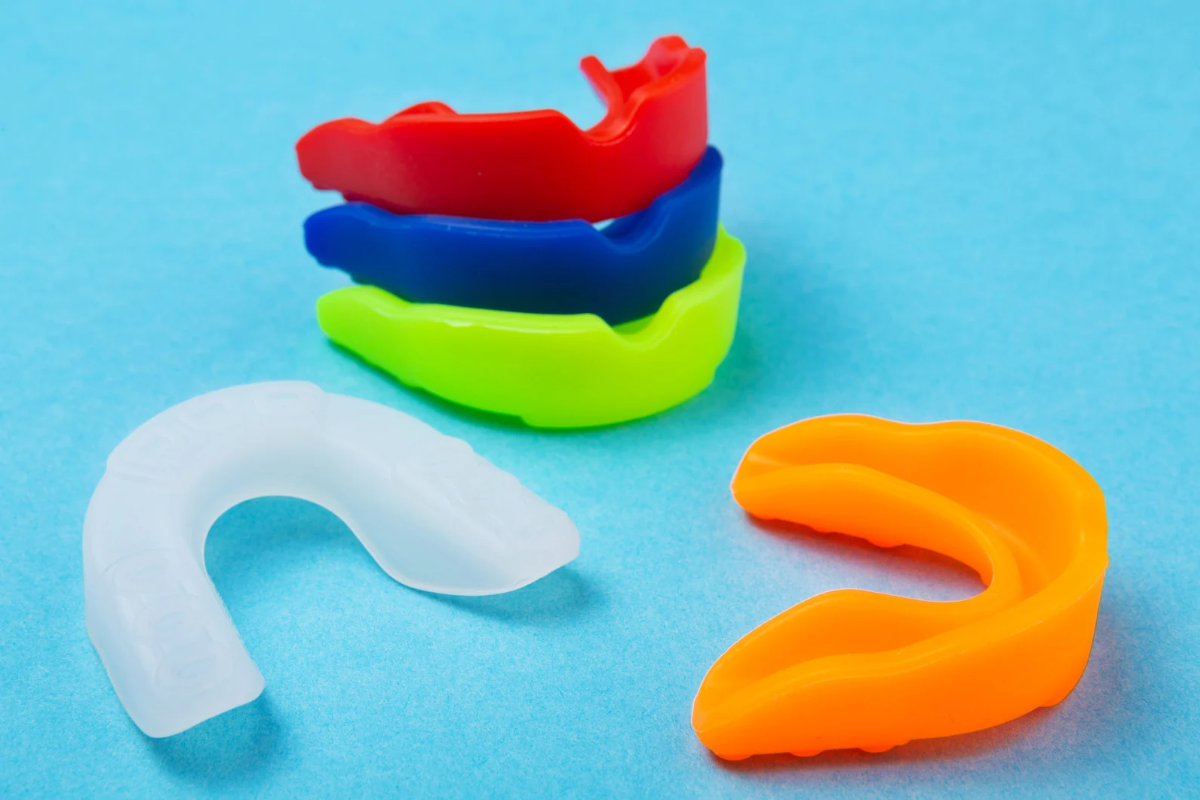
Mouth Guards in New York are an important part of preventive dental care for children, teenagers, and adults. Whether your child plays sports after school or you grind your teeth while sleeping, wearing a properly fitted mouth guard can help protect your teeth from unnecessary damage. Understanding when you need one and which type is right for you can make a meaningful difference in your long-term oral health.
Why Are Mouth Guards Important for Protecting Your Teeth?
Your teeth are designed to handle everyday chewing and biting, but they are not completely protected against sudden impacts or constant grinding pressure. A mouth guard creates a protective barrier over your teeth, helping absorb and distribute some of the force before it causes damage.
Depending on its design and purpose, a mouth guard may help protect:
- Teeth: Reduces the risk of chipped, cracked, broken, or knocked-out teeth during physical activity.
- Gums and lips: Helps protect soft tissues from accidental contact with teeth.
- Jaw: Provides a protective layer that may reduce the impact of certain blows.
- Dental restorations: Help protect crowns, veneers, and other dental work from some forms of impact or grinding pressure.
- Orthodontic appliances: Help reduce the risk of injuries to the lips and cheeks caused by braces during sports.
Mouth guards are especially useful because dental injuries can happen in both organized sports and everyday recreational activities.
What Can Happen If You Don’t Wear a Mouth Guard?
Many people assume mouth guards are only necessary for professional athletes. However, children participating in school sports, teenagers playing recreational games, and adults enjoying physical activities can all experience dental injuries.
Without proper protection, even a single accident can create significant oral health concerns.
- Chipped or Broken Teeth
A ball, elbow, or accidental fall can cause a tooth to chip or break. Depending on the severity, the damage may affect the enamel, dentin, or even the inner pulp of the tooth.
Some injuries may require dental bonding or a crown, while more serious damage may need root canal treatment or other procedures.
- Knocked-Out Teeth
A strong impact to the mouth can completely dislodge a tooth from its socket. This is known as a dental avulsion.
A knocked-out permanent tooth requires immediate dental attention. Pick it up by the crown, avoid touching the root, and keep it moist in milk or an appropriate tooth-preservation solution while seeking emergency dental care. Do not delay treatment.
- Injuries to the Lips, Cheeks, and Gums
During sports, the inside of the mouth can be injured when the teeth collide with the lips or cheeks. Sharp edges from braces or damaged teeth may make these injuries worse.
A properly fitted mouth guard creates a cushioning layer that helps protect these soft tissues.
- Tooth Wear From Nighttime Grinding
Not every mouth injury happens during sports. Some people unconsciously clench or grind their teeth while sleeping, a condition known as bruxism.
Repeated grinding can wear down enamel, cause tooth sensitivity, damage dental restorations, and contribute to jaw discomfort. A dentist-recommended night guard can create a protective barrier between the upper and lower teeth.
Who Should Wear a Mouth Guard?
Mouth guards are useful for more than competitive athletes. Anyone participating in activities with a risk of facial impact may benefit from appropriate dental protection.
Consider a mouth guard if you or your child:
- Play basketball, football, soccer, hockey, or martial arts.
- Participate in gymnastics, skateboarding, or other activities involving falls.
- Have braces or other orthodontic appliances.
- Frequently grind or clench your teeth during sleep.
- Have experienced previous sports-related dental injuries.
- Want to protect existing dental restorations during physical activity.
Children and teenagers may need their mouth guards checked more frequently because their teeth and jaws are still developing.
What Are the Different Types of Mouth Guards?
Not all mouth guards provide the same fit or level of comfort. Choosing the right type depends on your activity, dental structure, and specific needs.
- Stock Mouth Guards
Stock mouth guards are ready-made products available in different sizes. They are generally inexpensive and easy to find.
However, they are not customized to your teeth. They may feel bulky, shift during activity, or make speaking and breathing less comfortable.
- Boil-and-Bite Mouth Guards
These guards are softened in hot water and then molded around the teeth by biting into the material.
They offer a more personalized fit than standard stock guards. However, the final fit depends on how accurately the product is molded, and they may not be ideal for everyone, especially children with changing teeth or certain orthodontic needs.
- Custom Mouth Guards
Custom mouth guards are made using a dental impression or digital scan of your teeth. Because they are designed around your individual dental structure, they generally provide a more secure and comfortable fit.
Benefits include:
- A personalized fit based on your teeth.
- Better comfort during physical activity.
- Less movement while playing sports.
- Protection designed around your dental needs.
- Options for patients with specific orthodontic considerations.
For children who play sports regularly, a properly fitted custom guard can make wearing protective equipment easier and more comfortable.
How Are Custom Mouth Guards Made?
Getting a custom mouth guard is a straightforward process. Your dental team will first examine your teeth and discuss your activity level and protection needs.
The process generally includes four steps:
Step 1: Dental Examination
The dentist evaluates your teeth, gums, bite, and any existing dental appliances to determine which type of guard is appropriate.
Step 2: Digital Scan or Impression
A digital scan or traditional impression is taken to capture the shape of your teeth.
Step 3: Custom Fabrication
The information is used to create a mouth guard designed to fit your dental structure.
Step 4: Final Fitting
Once the guard is ready, the dentist checks its fit and makes adjustments when needed. You will also receive instructions for proper cleaning, storage, and maintenance.
How Should You Clean and Maintain Your Mouth Guard?
A mouth guard comes into direct contact with your teeth and saliva, so regular cleaning is important. Poor maintenance can allow bacteria and unpleasant odors to build up.
Follow these simple care tips:
- Rinse your mouth guard with cool water before and after each use.
- Gently clean it with a soft toothbrush and mild soap.
- Avoid hot water because heat can change its shape.
- Allow it to dry before placing it in a ventilated storage case.
- Keep it away from direct sunlight and excessive heat.
- Check regularly for cracks, tears, or signs of wear.
- Bring it to dental appointments so its fit and condition can be evaluated.
For growing children, the guard should also be checked whenever new teeth erupt, or orthodontic treatment changes their bite.
Protect Your Family’s Smile With Custom Mouth Guards in New York
Preventing dental injuries starts with choosing the right protection before an accident happens. At West End Avenue Pediatric Dentistry, families can explore personalized dental protection based on their child’s needs, activity level, and stage of dental development.
Whether your child participates in school sports, plays recreational basketball, or wears braces, a properly fitted mouth guard can help protect their developing smile. Adults who grind their teeth may also benefit from discussing a custom night guard with their dental provider.
Do not wait for a chipped tooth or painful dental injury to make protection a priority. Contact the dental team today to discuss your options and schedule a consultation for Mouth Guards in New York. Taking a preventive step now can help protect your family’s smiles during sports, play, and everyday life.
Frequently Asked Questions About Mouth Guards
- Why should children wear mouth guards during sports?
Children should wear mouth guards during sports and activities that carry a risk of facial impact. These guards help protect their teeth, lips, cheeks, and other oral structures from injuries caused by accidental contact or falls.
- Are custom mouth guards better than store-bought options?
Custom mouth guards are made from an individual dental impression or digital scan. They generally provide a more secure and comfortable fit than standard stock guards. The right option depends on the patient’s age, dental condition, and activity.
- Can children wear mouth guards with braces?
Yes. Children with braces can wear specially designed mouth guards. Their dental professional can recommend an appropriate design that accommodates orthodontic appliances and helps protect the teeth, lips, and cheeks.
- How often should a mouth guard be replaced?
A mouth guard should be replaced when it becomes damaged, worn, loose, or uncomfortable. Growing children may need replacements more often because their teeth and jaws change over time. Regular dental evaluations help determine when a new guard is needed.
- Can a mouth guard prevent teeth grinding?
A night guard does not necessarily stop teeth grinding, but it creates a protective barrier between the upper and lower teeth. This can help reduce tooth wear and protect dental restorations from repeated grinding forces.
- Can I wear the same mouth guard for sports and sleeping?
Not necessarily. Sports mouth guards and night guards are designed for different purposes. A sports guard protects against physical impacts, while a night guard is designed to manage the effects of nighttime clenching and grinding. Ask your dentist which appliance is appropriate.
- How do I know if my mouth guard fits properly?
A properly fitted mouth guard should stay securely in place without requiring constant biting to hold it. It should not cause significant discomfort, interfere with normal breathing, or create painful pressure. Have your dentist evaluate it if the fit feels loose or uncomfortable.
- Can a mouth guard prevent all sports-related dental injuries?
No mouth guard can guarantee complete protection from dental injuries. However, a properly fitted guard can reduce the risk and severity of many injuries involving the teeth and surrounding oral tissues. It should be used alongside other recommended sports safety equipment.
Medical Disclaimer – This article is intended for general educational purposes only and should not replace professional dental advice, diagnosis, or treatment. Mouth guard recommendations vary based on age, dental development, oral health, and individual needs. Consult a qualified dental professional to determine which type of mouth guard is appropriate for you or your child.