440 West End Avenue, Suite 1C New York, NY 10024


Losing a tooth can affect much more than your appearance. It may make chewing uncomfortable, change the way you speak, and leave you feeling less confident about your smile. Even one missing tooth can affect your daily routine. But what if you could replace it with a solution designed to look, feel, and function like a natural tooth?
Dental Implants in New York offer a long-term way to replace missing teeth and restore your smile. They are designed to create a stable foundation for replacement teeth while helping support your jawbone. But are dental implants truly permanent? The answer depends on several factors, including oral hygiene, overall health, and regular dental care. Understanding how implants work and how to maintain them can help you make an informed decision.
Are Dental Implants a Permanent Solution for Missing Teeth?
Dental implants are considered a long-term tooth replacement option because they are designed to integrate with your jawbone. Unlike removable dentures, which can move during eating or speaking, implants are placed directly into the jawbone to provide a stable foundation for replacement teeth.
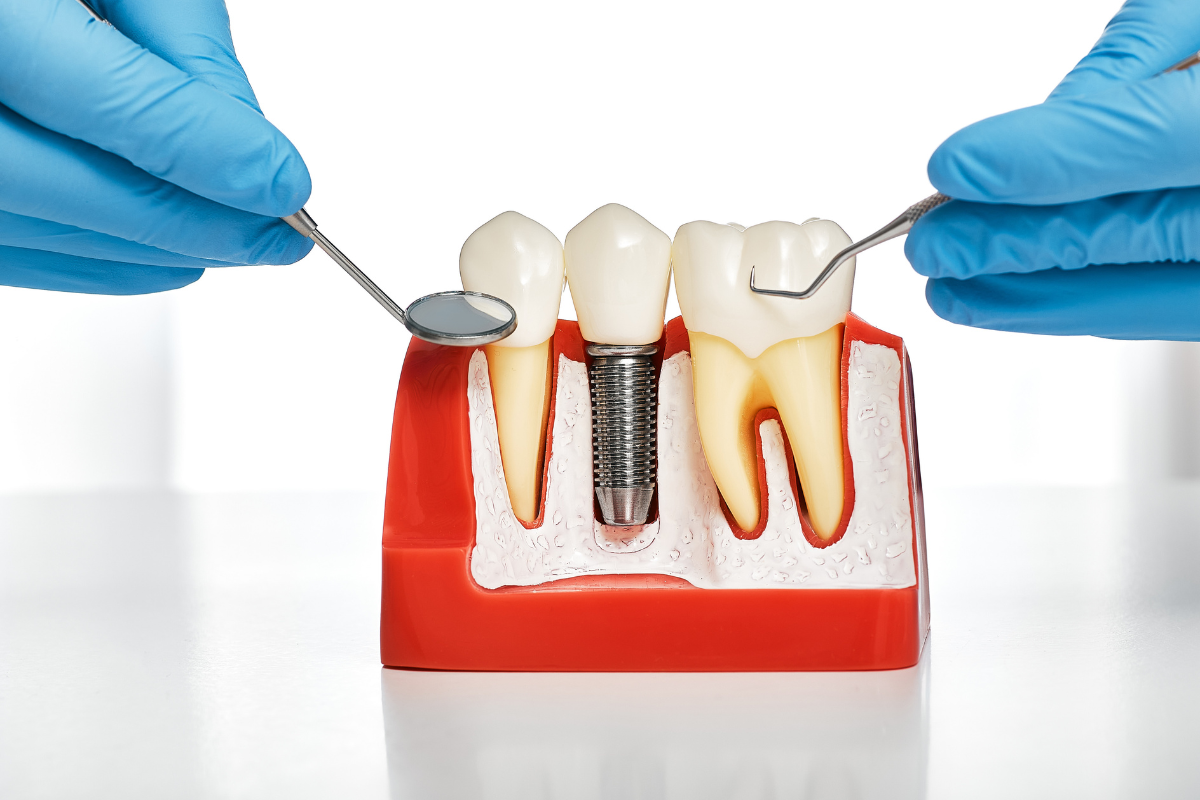
A dental implant typically has three main components:
- Implant post: A small titanium post placed into the jawbone that acts as an artificial tooth root.
- Abutment: A connector that attaches the replacement tooth to the implant post.
- Dental crown: The visible part of the restoration, custom-made to resemble a natural tooth.
After placement, the implant post goes through a healing process called osseointegration. During this process, the surrounding bone grows around the implant surface, helping secure it in place.
With proper placement, good oral hygiene, and regular professional care, dental implants can last for decades. However, no dental treatment can guarantee a lifetime of use. The implant post may last much longer than the crown attached to it, which may eventually need repair or replacement.
Why Do Missing Teeth Need Professional Attention?
A missing tooth may seem like a minor concern, especially if it is located toward the back of your mouth. However, leaving an empty space can gradually affect your oral health and the way your teeth function.
Here are some reasons to consider replacing a missing tooth.
- Preventing Jawbone Loss
Your jawbone receives stimulation from tooth roots whenever you bite or chew. When a tooth is lost, that stimulation decreases in the affected area.
Over time, the jawbone may begin to shrink because it is no longer receiving the same pressure from the missing tooth. Dental implants help provide stimulation through the artificial tooth root, which can help preserve bone in the area.
- Maintaining Proper Tooth Alignment
Your natural teeth help support one another. When a tooth is missing, nearby teeth may gradually shift into the open space.
This movement can affect your bite, create gaps, and make cleaning certain areas more difficult.
Replacing the missing tooth can help maintain proper spacing and support a balanced bite.
- Improving Chewing and Speaking
Missing teeth can make it harder to chew certain foods comfortably. Depending on the location of the gap, you may also notice changes in speech.
A properly restored implant can help improve chewing function and support clearer speech by filling the space left by the missing tooth.
- Restoring Smile Confidence
A visible gap can make some people feel uncomfortable when smiling, talking, or taking photographs.
Dental implants are designed with custom crowns that match the shape and color of surrounding teeth. This helps create a natural-looking appearance while restoring everyday function.
What Can Affect the Lifespan of Dental Implants?
Although implants are designed for long-term use, their success depends on more than the initial procedure. Several factors can influence how long they last.
- Oral Hygiene Habits: Poor brushing and flossing can allow bacteria to collect around an implant. This may cause inflammation and increase the risk of peri-implantitis, a condition that affects the tissues and bone supporting the implant.
- Smoking and Tobacco Use: Tobacco use can interfere with healing and increase the risk of implant complications. Avoiding tobacco can support better oral health.
- Gum Health: Healthy gums provide important support around dental implants. Existing or untreated gum disease should be addressed before implant treatment.
- Bite Pressure and Teeth Grinding: Excessive pressure from clenching or grinding can place stress on the implant restoration and surrounding structures. A dentist may recommend a night guard when appropriate.
- Regular Dental Checkups: Professional examinations help identify early signs of inflammation, damage, or other complications before they become more serious.
What Is the Dental Implant Procedure Like?
Getting an implant involves several stages. The exact treatment plan depends on your oral health, jawbone condition, and the number of teeth being replaced.
Here is what you can generally expect.
Step 1: Comprehensive Dental Examination
Your dentist evaluates your teeth, gums, bite, and jawbone. Dental X-rays or other imaging may be used to assess the available bone and determine the best implant placement.
Step 2: Implant Placement
The implant post is surgically placed into the jawbone. Local anesthesia is generally used to keep you comfortable during the procedure.
Step 3: Healing and Osseointegration
Over the following months, the implant integrates with the surrounding bone. This healing period is important because it creates the stable foundation needed to support the replacement tooth.
Step 4: Abutment Placement
Once the implant has healed sufficiently, an abutment is attached to connect the implant post with the final restoration.
Step 5: Custom Crown Placement
A custom dental crown is attached to complete the restoration. Its size, shape, and color are selected to blend naturally with your surrounding teeth.
Who Is a Good Candidate for Dental Implants?
Dental implants may be suitable for adults who are missing one or more teeth and want a stable replacement option.
You may be a candidate if you:
- Have one or more missing teeth.
- Have healthy gums or are willing to treat existing gum disease.
- Have sufficient jawbone to support an implant.
- Are in good general health for the surgical procedure.
- Can maintain consistent oral hygiene.
- Are looking for a long-term alternative to removable dentures.
If your jawbone is not thick or strong enough, a bone graft may sometimes help prepare the area for implant placement.
A dental examination is necessary to determine whether implants are appropriate for your individual needs.
How Can You Make Dental Implants Last Longer?
Taking care of your implants is essential for maintaining their function and appearance.
Follow these everyday habits:
- Brush twice daily using a soft-bristled toothbrush.
- Floss daily, including around your implant restoration.
- Use cleaning tools recommended by your dentist.
- Avoid smoking and tobacco products.
- Limit habits such as chewing ice or biting hard objects.
- Wear a recommended night guard if you grind your teeth.
- Schedule regular dental examinations and professional cleanings.
Remember that implants cannot develop cavities like natural teeth, but the surrounding gum tissue can still become infected or inflamed. Consistent care is important for protecting the entire restoration.
Restore Your Smile With Dental Implants in New York
Replacing missing teeth is an important decision that deserves careful consideration. At West End Avenue Pediatric Dentistry, adult patients can explore restorative dental options designed to improve oral function, comfort, and smile appearance.
Whether you are missing one tooth or several, a personalized evaluation can help determine whether implant treatment is right for you. The dental team can assess your oral health, explain the treatment process, and discuss suitable options based on your needs.
Conveniently located on the Upper West Side, the practice welcomes adults and families from Manhattan Valley, Morningside Heights, and nearby neighborhoods.
Do not let missing teeth continue affecting your ability to eat, speak, and smile comfortably. Contact West End Avenue Pediatric Dentistry today to schedule a consultation and learn how Dental Implants in New York may help you restore your smile with a durable, natural-looking solution.
Frequently Asked Questions About Dental Implants
- Can dental implants last a lifetime?
Dental implants can last for several decades, and some implant posts may last a lifetime with proper care. However, the crown attached to the implant may need replacement over time due to normal wear and tear.
- How many years do dental implants usually last?
The implant post can often last 20 years or longer, and many last much longer. The lifespan depends on bone health, gum condition, oral hygiene, lifestyle habits, and regular dental care.
- Are dental implants better than dentures?
Dental implants provide a fixed replacement that does not need to be removed daily. Dentures are removable and may be more appropriate for certain patients. The best option depends on your oral health, preferences, and treatment goals.
- Is getting a dental implant painful?
The procedure is generally performed under local anesthesia, so patients should not feel pain during implant placement. Some soreness, swelling, or tenderness may occur afterward, but these effects can usually be managed with appropriate aftercare and medication recommendations.
- What happens if you do not replace a missing tooth?
Leaving a missing tooth untreated may contribute to jawbone loss, shifting teeth, bite changes, and chewing difficulties. A dental evaluation can help you understand the possible effects and available replacement options.
- Can dental implants fail after several years?
Yes. Although implants have high success rates, complications can occur. Infection, poor bone support, excessive biting pressure, and inadequate oral hygiene may contribute to implant failure. Regular dental care can help identify potential problems early.
- How long does the complete dental implant process take?
The complete process often takes several months because the implant needs time to integrate with the jawbone. Treatment may take longer if additional procedures, such as bone grafting, are needed.
- Can older adults get dental implants?
Yes. Age alone does not determine whether someone can receive dental implants. Overall health, jawbone condition, gum health, and the ability to undergo treatment are more important factors.
Medical Disclaimer – This article is intended for general educational purposes only and does not replace professional dental advice, diagnosis, or treatment. Dental implant suitability, treatment timelines, and expected outcomes vary from patient to patient. Consult a qualified dental professional for an examination and personalized treatment recommendations.