440 West End Avenue, Suite 1C New York, NY 10024


A hard hit, an unexpected fall, or a ball to the face can turn a great game into a stressful trip to the dentist. For parents, the concern is not only about the score—it is about protecting a child’s developing smile.
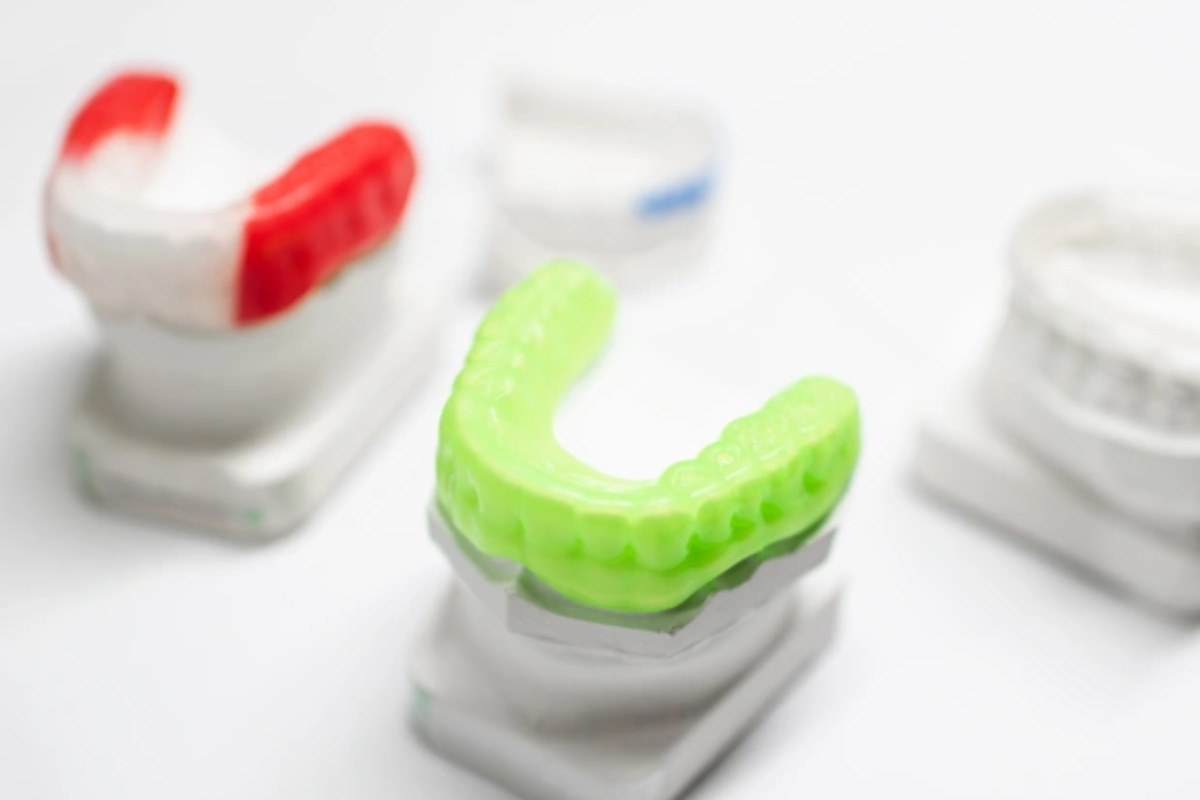
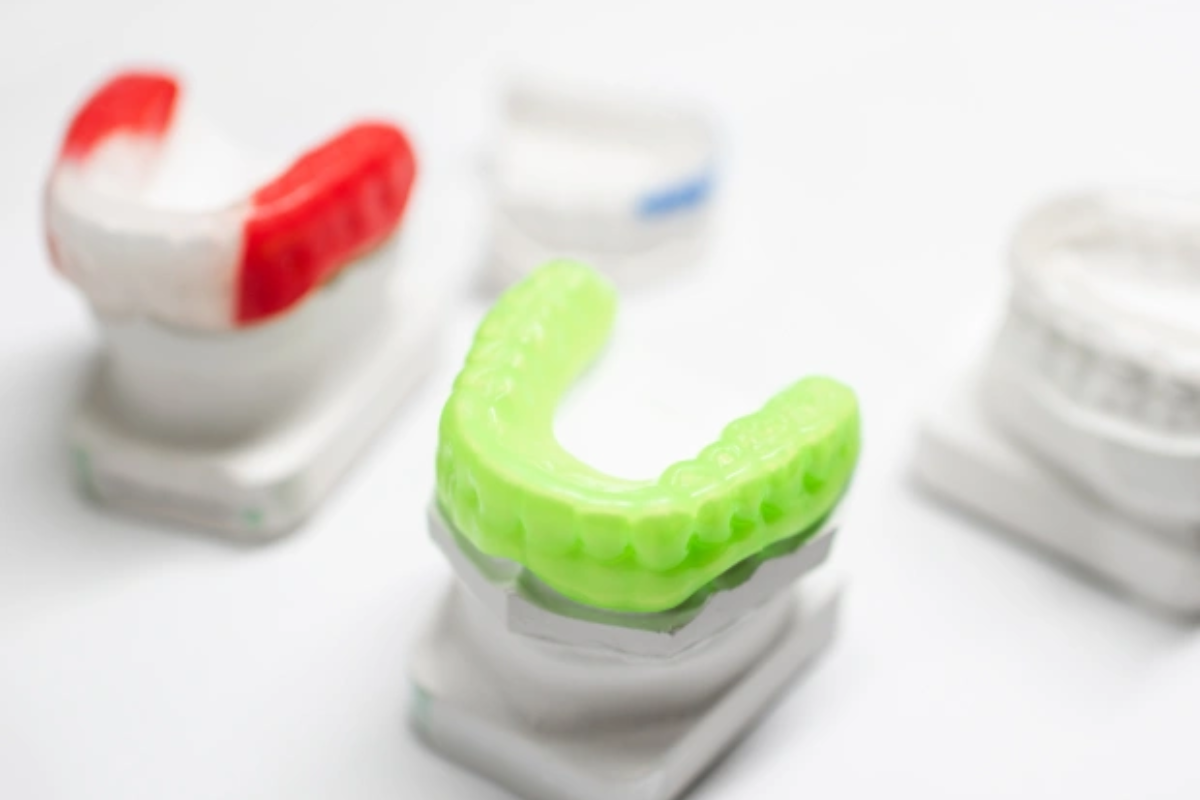
That is why mouthguards for kids in New York are an important part of sports safety. A properly selected mouthguard can help cushion the impact of contact and reduce the risk of certain injuries to the teeth, lips, cheeks, and jaw.
Whether your child plays soccer, basketball, baseball, hockey, lacrosse, martial arts, or another active sport, a little preparation before game day can make a meaningful difference.
Why Sports Put Kids’ Teeth at Risk
Children are naturally active. They run, jump, compete, and sometimes fall. Even sports that do not involve direct contact can involve collisions, equipment, or accidental impacts.
A dental injury can happen when a child:
- Collides with another player
- Falls onto a hard surface
- Gets hit by a ball or puck
- Makes contact with sports equipment
- Takes an elbow or shoulder to the face
- Falls while running or changing direction
- Participates in contact or combat sports
The consequences can range from a small lip injury to a chipped, cracked, displaced, or knocked-out tooth.
For children with developing permanent teeth, protecting the mouth is especially important. A dental injury may require immediate care and, depending on the injury, follow-up treatment.
Why a Mouthguard Matters More Than You Might Think
Many parents think of a mouthguard as something reserved for football players or other high-contact athletes. In reality, dental injuries can happen across a much broader range of sports.
A mouthguard creates a protective layer between the upper and lower teeth and the surrounding soft tissues. It can help absorb and distribute some of the force from an impact.
A mouthguard may help protect against:
- Chipped or fractured teeth
- Tooth displacement
- Damage caused by teeth striking against each other
- Cuts to the lips and cheeks
- Certain impact-related injuries to the mouth
It is important to understand that a mouthguard does not make a child completely injury-proof. It is one part of a larger sports-safety strategy that should also include appropriate equipment, coaching, supervision, and following the rules of the sport.
What Happens If a Child Does Not Wear One?
A child may play dozens of games without an accident. That can make protective equipment seem unnecessary—until one unexpected collision changes everything.
Dental injuries can be painful, frightening, and disruptive. A damaged permanent tooth may require urgent evaluation and sometimes more than one dental visit.
There can also be emotional effects. A visible chip or missing tooth can make a child self-conscious, especially during school, social activities, or sports.
For younger children, injuries can be particularly stressful because they may have difficulty explaining exactly what happened or describing where they hurt.
Prevention is generally much easier than dealing with an injury after it occurs.
How to Choose the Right Mouthguard for Your Child
Not every mouthguard provides the same experience. The fit, comfort, retention, and quality of the appliance can affect whether a child actually wears it consistently.
Stock Mouthguards
Stock mouthguards are pre-formed and ready to wear. They are generally easy to purchase, but they may not fit every child’s mouth comfortably.
A loose or poorly fitting guard may shift during activity and can be difficult for a child to keep in place.
Boil-and-Bite Mouthguards
These mouthguards are softened in hot water and then shaped around the teeth. They generally provide a more personalized fit than a stock option.
However, the final fit depends on how accurately the material adapts to the child’s mouth.
Custom Mouthguards
Custom appliances are created to fit the individual child. Kids custom mouth guards in New York can be particularly useful for children who participate regularly in sports or need a more individualized fit.
A properly fitted guard should be comfortable enough that the child is willing to wear it throughout practice and competition.
Signs Your Child’s Mouthguard May Not Fit Properly
A mouthguard should not simply be placed in a child’s mouth and forgotten.
Watch for signs that the fit may need attention:
- Your child repeatedly takes it out during practice.
- It falls out when your child opens their mouth.
- Your child struggles to speak while wearing it.
- The guard causes significant discomfort.
- It rubs against the gums.
- Your child says it makes breathing difficult.
- It has become damaged or excessively worn.
- The mouthguard no longer fits after changes in the child’s teeth.
Children’s mouths change as they grow. A mouthguard that fit well last season may not provide the same fit later.
That is one reason parents should periodically check the condition and fit of the appliance.
What Makes Custom Protection Worth Considering?
For children who participate frequently, comfort can directly affect compliance.
If a mouthguard feels bulky, loose, uncomfortable, or difficult to keep in place, a child may be tempted to leave it in a sports bag instead of wearing it.
A custom mouthguard is designed around the child’s individual dental anatomy. A dental professional can assess the fit and determine whether a custom appliance is appropriate based on the child’s age, teeth, development, and sports activities.
This can be particularly helpful for young athletes who train and compete regularly.
What Should You Do If Your Child Injures a Tooth During a Game?
Even with protective equipment, accidents can happen.
If a child experiences a dental injury, stay calm and assess what happened.
Look for:
- Bleeding from the gums or mouth
- A chipped or broken tooth
- A tooth that looks loose or displaced
- Significant pain
- Swelling
- A tooth that has been completely knocked out
- Cuts to the lips or cheeks
- Changes in how the teeth come together
A knocked-out permanent tooth is a dental emergency and requires prompt professional attention. If this happens, seek emergency dental care immediately and follow professional guidance for handling the tooth.
Do not assume that an injury is minor simply because there is little visible damage. Some dental injuries require evaluation even when the tooth looks relatively normal.
If your child also experienced a significant blow to the head, face, or jaw, follow appropriate medical guidance and seek emergency care when necessary.
Building Better Sports Habits Starts Before the Game
Dental protection should become part of your child’s regular pre-game routine.
Before your child heads onto the field or court:
Check the mouthguard.
Make sure it is clean, intact, and still fits properly.
Pack a protective case.
A ventilated case can help protect the mouthguard between uses.
Clean it regularly.
Follow appropriate cleaning instructions and allow it to dry before storing it.
Inspect it for damage.
Replace an appliance if it becomes worn, damaged, or no longer fits properly.
Make wearing it routine.
The best mouthguard is one your child actually wears during the activities where protection is recommended.
How a Pediatric Dental Team Can Help
Choosing sports protection does not have to be a guessing game. A pediatric dental professional can examine your child’s teeth and oral development, discuss the sports they play, and help determine what type of mouth protection may be appropriate.
At West End Avenue Pediatric Dentistry, families can receive guidance focused on protecting children’s developing smiles while helping young patients feel comfortable with dental care.
For families in New York and nearby communities, professional guidance can be especially useful when a child plays multiple sports, has orthodontic appliances, has recently experienced changes in their teeth, or needs a more individualized mouthguard.
An internal link can also be added here using the phrase “kids dentist new york city” to connect readers with the practice’s broader pediatric dental services.
Give Your Young Athlete One More Layer of Protection
Your child should be thinking about the next goal, the next inning, or the next big play—not worrying about a dental injury.
A mouthguard cannot prevent every sports-related injury, but it can provide an important layer of protection for a child’s teeth and mouth. Choosing the right type, checking the fit regularly, and replacing it when necessary can help make dental protection part of your child’s normal sports routine.
If your child needs a new mouthguard, has difficulty keeping their current one in place, or recently experienced a dental injury, contact West End Avenue Pediatric Dentistry to schedule an evaluation and discuss mouthguards for kids in New York. Taking care of the fit and protection now can help your child play with greater confidence while keeping their developing smile protected.
Frequently Asked Questions
What sports require kids to wear mouthguards?
Mouthguards are commonly recommended for sports involving contact, collisions, falls, or projectiles. Examples include football, hockey, lacrosse, basketball, soccer, baseball, martial arts, wrestling, and similar activities. Parents should consider the specific risks associated with their child’s sport.
Are mouthguards necessary for kids who play soccer?
Soccer may not seem like a high-contact sport, but players can collide, fall, or be struck by a ball. A mouthguard can provide additional protection against certain dental and soft-tissue injuries.
What is the best mouthguard for a child?
The best option depends on the child’s age, dental development, sport, frequency of participation, and individual needs. Stock, boil-and-bite, and custom options each have different advantages. A dental professional can help determine which type is appropriate.
Are custom mouthguards better for young athletes?
A custom mouthguard is individually made to fit the child’s mouth and may provide improved comfort, retention, and fit compared with a generic appliance. This can be especially useful for children who participate regularly in sports.
How often should a child’s mouthguard be replaced?
There is no single replacement schedule for every child. A mouthguard should be checked regularly and replaced when it becomes damaged, worn, uncomfortable, or no longer fits properly. Growing children may also need a replacement as their teeth and mouth change.
Can my child wear a mouthguard with braces?
Children with braces may need a mouthguard specifically designed to accommodate orthodontic appliances. Parents should ask their orthodontist or dentist which type is appropriate rather than using a standard guard without professional guidance.
What should I do if my child’s permanent tooth gets knocked out?
A knocked-out permanent tooth requires prompt dental attention. Handle the tooth carefully by the crown rather than the root, avoid scrubbing it, and seek emergency dental guidance immediately. Follow the dental professional’s instructions for preserving and transporting the tooth.
Should my child see a dentist after a sports-related tooth injury?
Yes, particularly if a tooth is chipped, loose, displaced, painful, or knocked out, or if there is significant bleeding or swelling. Some dental injuries are not obvious immediately and may require professional evaluation.
Medical Disclaimer: This article is intended for general educational purposes and does not replace professional dental or medical advice. If your child experiences a serious dental injury, significant pain, facial swelling, or a blow to the head, seek appropriate professional or emergency care promptly.