440 West End Avenue, Suite 1C New York, NY 10024


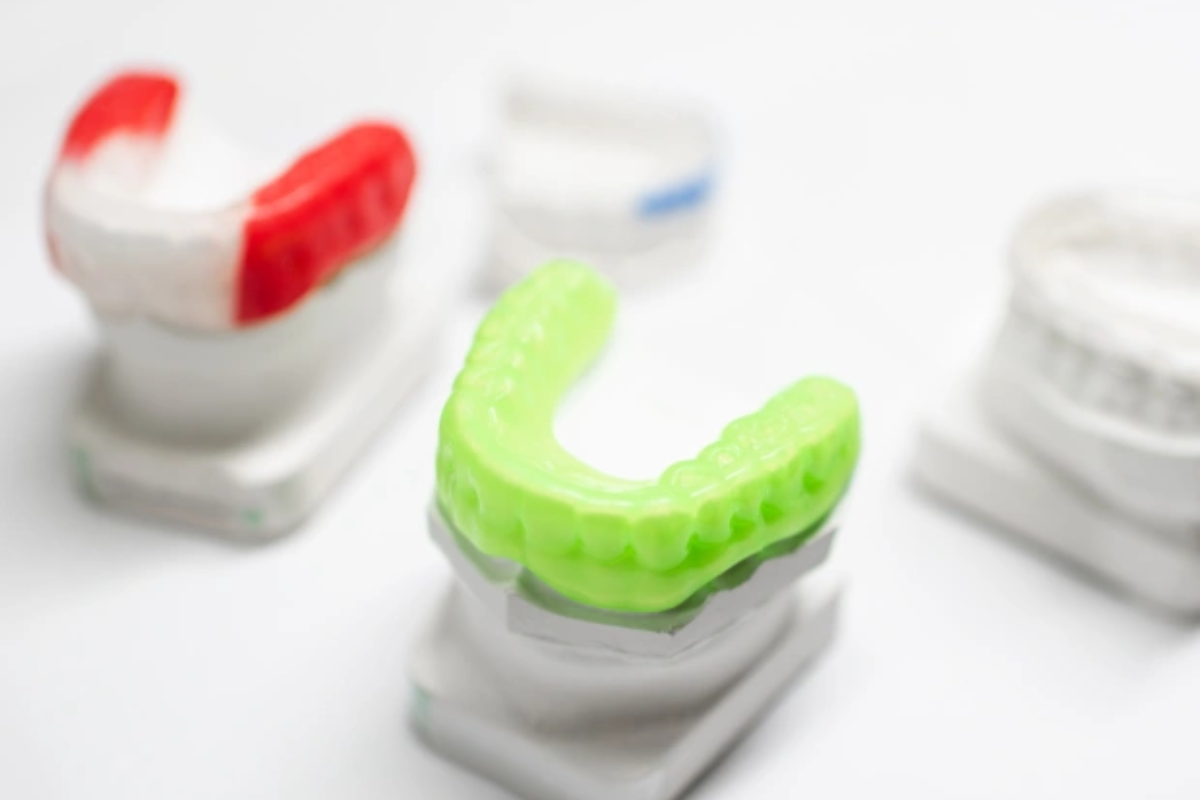
As a parent, ensuring your child’s safety during sports or while they sleep is a priority. Mouthguards for kids in New York are one of the best ways to protect your toddler’s teeth from injury during high-contact sports or from nighttime teeth grinding. But maintaining these essential dental tools is just as important as wearing them. Regular cleaning and care are crucial to prevent bacterial buildup, unpleasant odors, and potential discomfort.
In this guide, we’ll walk you through easy steps to keep a sports mouthpiece fresh, clean, and in good condition for longer-lasting protection.
Why Proper Cleaning Matters For Your Child’s Mouthguard?
The Big Apple is full of exciting activities and local events. Your child might be involved in playing basketball in a local league, taking part in a Central Park soccer game, or enjoying a spring festival. Keeping their dental mouthguards in good shape is essential to help them continue enjoying these activities without oral health issues.
A properly cleaned mouth protector is more comfortable to wear, prevents oral infections, and helps maintain its effectiveness. Additionally, improper care can lead to unpleasant odors and bacterial growth. This can affect both the bite guards and your toddler’s oral health.
Step-by-Step Guide To Cleaning Your Junior’s Oral Shields
Have you been doing it right? Here is the guideline to keep mouthguards for kids in New York in top condition:
- Rinse Immediately After Use: Once your junior is done wearing their mouth protector, rinse it under cool water to remove saliva and debris. This simple step helps prevent bacteria buildup and keeps it fresh.
- Brush Gently: Use a soft toothbrush and mild soap or non-abrasive toothpaste to clean the bite guard’s surface. Avoid using harsh chemicals or bleach, as they can damage the material.
- Soak Regularly: At least once a week, soak the guard in a cleaning solution designed for dental appliances or a mixture of water and vinegar. This helps eliminate bacteria, neutralize odors, and disinfect the mouth protector.
- Dry Completely: After cleaning, dry the oral shields thoroughly with a clean towel or air-dry them. Damp bite guards can create a breeding ground for bacteria and mold.
- Store Properly: When your toddler isn’t using their sports mouth protection, store it in a ventilated case to keep it safe from dust and germs. Make sure the case is sturdy enough to prevent bending or damage.
Essential Mouth Protector Care Tips For Their Longevity
With proper care, a dental shield can last from 3 months to 5 years. To ensure longevity, be mindful of these actions:
- Avoid High Temperatures: Keep the guard away from hot environments, such as direct sunlight or a hot car. Heat can warp the material, making it less effective and uncomfortable to wear.
- Inspect for Damage: Regularly check the bite guards for cracks, tears, or excessive wear. If you notice any damage, it’s time to replace it. A damaged guard can fail to protect your child’s teeth adequately.
- Encourage Good Hygiene: Just like regular oral care, remind your youngster to brush their teeth before putting on sports mouth protection, especially at night. Keeping teeth clean will reduce the amount of plaque and bacteria that accumulates on the appliance.
When Should You Replace Your Child’s Bite Guards?
Mouthguards for kids in New York should be replaced regularly to maintain their protective properties. If the dental device becomes loose, deformed, or damaged, it’s time for a replacement. A poorly fitted guard will not provide the protection your child’s teeth need.
Need Help? Book A Quick Consultation Today
If you’re concerned about your child’s dental mouthguard care or have questions about the right fit, don’t hesitate to visit our local dental office. At West End Avenue Pediatric Dentistry, we provide advice on maintaining your junior’s oral health and ensuring that their dental appliances remain safe and effective. Book a quick consultation today, and we’ll guide you through the necessary steps for optimal dental hygiene or address other dental concerns.
Frequently Asked Questions (FAQs)
- How often should I clean my mouthguard?
You should rinse your mouthguard after every use and perform a more thorough cleaning at least once a week. Regular cleaning prevents bacteria buildup and helps maintain fresh breath and oral hygiene. - Can I use toothpaste to clean a mouth protector?
Yes, but only use a non-abrasive toothpaste to avoid scratching the surface. Gentle brushing with a soft toothbrush removes debris without creating grooves where bacteria can hide. - How long does a mouthguard typically last before replacement?
Most mouth protectors last several months to a year, depending on usage and wear. If you notice cracks, tears, or changes in fit, it’s time to replace it to ensure proper protection. - Is boiling water a safe method to clean bite guards?
Boiling water is not recommended because heat can warp the material and affect fit and protection. Instead, use cool water and recommended dental cleaners to preserve its shape and integrity. - Why does my mouthguard smell even after cleaning?
A persistent odor often means bacteria are trapped in microscopic grooves or that the case isn’t ventilated. Thoroughly cleaning, completely drying, and storing the guard in a ventilated case reduces odors and bacterial growth.