440 West End Avenue, Suite 1C New York, NY 10024



If you’re a parent on the Upper West Side, you’ve probably wondered whether cavity prevention really works for kids. Parents ask this question every day at our practice. The honest answer is yes — but it takes the right approach, the right tools, and a trusted dental team. This guide answers the five most common questions we hear from new families exploring Preventative Dentistry Upper West Side for their children.
Question 1: Does Cavity Prevention Actually Work for Young Children?
Yes, and the evidence is clear. Preventive dentistry dramatically reduces cavities in children when started early. Studies show that kids who receive regular fluoride treatments and sealants develop far fewer cavities. The key is consistency and starting before problems develop.
Many parents assume their child will get cavities no matter what. That belief is simply not true. With the right daily habits and professional support, your child’s teeth can stay healthy through childhood. Prevention is always more effective — and less stressful — than treatment.
Dr. Robert Peracchia works with children from their very first tooth. Early intervention makes a lasting difference. Children who learn good habits early carry those habits into adulthood. That’s the real power of prevention.
Question 2: What Does Cavity Prevention Actually Include for Kids?
Parents often imagine cavity prevention means just brushing and flossing. It actually involves much more than that. A complete preventive plan for your child includes several professional and at-home strategies working together.
Here’s what a well-rounded preventive plan typically includes:
- Fluoride treatments — strengthen enamel and make teeth more resistant to decay
- Dental sealants — thin protective coatings applied to back molars to block bacteria
- Regular professional cleanings — remove plaque your child’s toothbrush can’t reach
- Dietary guidance — specific advice on snacks and drinks that protect kids’ teeth
- Brushing and flossing coaching — teaching children the right technique at every age
Each element plays a specific role. Fluoride hardens enamel from the outside in. Sealants physically block the grooves where decay starts. Professional cleanings catch early warning signs. Together, these layers of protection give your child the best possible outcome.
Question 3: My Child Is Nervous — Can We Still Do Preventive Treatments?
Dental anxiety in children is extremely common. Many parents on the Upper West Side delay appointments because their child is scared. This is understandable, but delaying care allows problems to grow quietly.
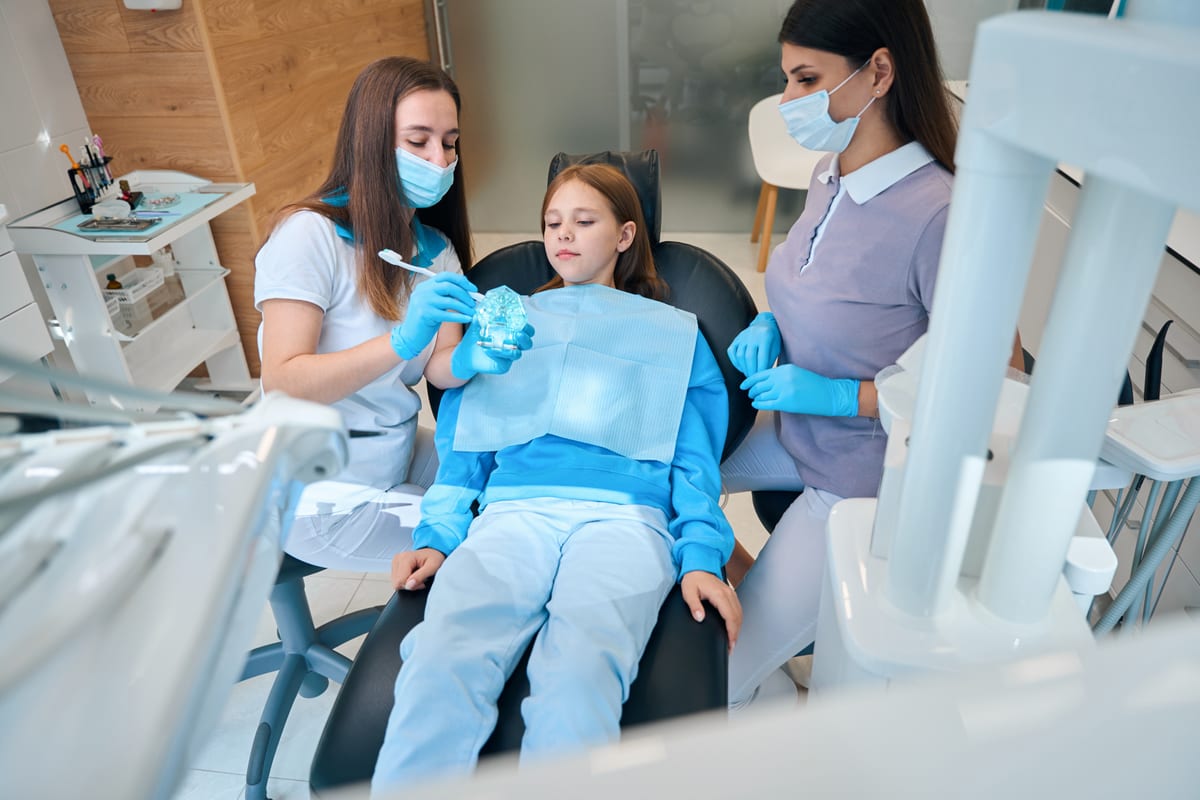
At West End Avenue Pediatric Dentistry, we specialize in working with nervous children. Dr. Peracchia uses a calm, child-friendly approach designed to build trust over time. We explain every step before we do it. Children feel in control, and that reduces fear significantly.
Preventive visits are also the gentlest type of dental appointment. There are no drills involved in a cleaning or a fluoride treatment. Sealants take just a few minutes and are completely painless. Starting with low-pressure preventive visits actually helps anxious children become more comfortable at the dentist over time.
If your child has had a difficult experience elsewhere, please let us know before the visit. We adapt our approach for every child. Building a positive relationship with dental care is itself a form of prevention — it ensures your child keeps coming back.
Question 4: When Should I Start Cavity Prevention for My Child?
This is one of the most important questions parents ask. The answer may surprise you: prevention starts with the very first tooth. Early Dental Care Upper West Side sets the foundation for a lifetime of healthy teeth. The American Academy of Pediatric Dentistry recommends a first dental visit by age one.
Starting early gives Dr. Peracchia a chance to spot developing issues before they become serious. It also lets your child get comfortable with dental visits gradually. A child who visits the dentist at age one has no fear because there’s nothing to fear yet. That positive foundation stays with them for years.
Here’s a simple age-by-age overview of when key preventive steps typically begin:
- Ages 0–2: First dental visit, early cleaning guidance, and dietary advice for parents
- Ages 3–5: Professional cleanings, fluoride treatments, and habit monitoring (thumb sucking, pacifiers)
- Ages 6–12: Sealants on permanent molars, orthodontic screening, and cavity risk assessments
- Ages 13–17: Ongoing cleanings, sealant checks, and braces monitoring if applicable
Every stage has specific preventive priorities. Starting early means you’re ahead of the curve at each one.
Question 5: How Do I Know If Prevention Is Working?
Parents naturally want to see results. The best indicator of success is simple: no new cavities at each checkup. That’s the goal, and it’s very achievable with consistent care.
Dr. Peracchia takes X-rays at appropriate intervals to monitor what’s happening between the teeth. He also checks enamel strength and looks for early signs of decay. Catching a problem at its earliest stage means simpler treatment and less discomfort for your child.
You’ll also notice behavioral changes at home. Children who attend regular preventive visits tend to brush more willingly. They understand why oral health matters. That ownership of their own health is one of the most valuable outcomes we see.
Beyond cavity counts, prevention improves your child’s confidence in their smile. Healthy teeth support proper speech development, comfortable chewing, and positive self-esteem. These benefits extend far beyond the dental chair.
What Upper West Side Parents Are Saying
Families across the Upper West Side choose Dr. Peracchia because they want a dentist who listens. New patients often arrive having heard that cavity prevention is complicated or expensive. They leave understanding it’s actually straightforward and deeply worthwhile.
The most common feedback we receive is that children actually enjoy their visits. That’s not an accident. It’s the result of a team that puts children first in every interaction. When kids aren’t afraid of the dentist, parents stop delaying appointments. Consistent care becomes a natural part of family life.
If you’ve been asking yourself whether cavity prevention will really work for your child, the answer is yes — with the right team behind you. Dr. Peracchia and the West End Avenue Pediatric Dentistry team are ready to build a personalized prevention plan for your child today. Book Now to schedule your appointment with our team.
Frequently Asked Questions
At what age should my child first see a pediatric dentist for cavity prevention?
Your child should have their first dental visit by their first birthday or within six months of their first tooth appearing. Starting early allows Dr. Peracchia to establish a baseline, provide guidance to parents, and help your child feel comfortable with dental visits from a young age.
Are dental sealants safe for children?
Yes, dental sealants are considered safe and are widely recommended by pediatric dental organizations. They are thin resin coatings applied to the chewing surfaces of back teeth. They require no drilling and are one of the most effective tools available for preventing cavities in school-age children.
How often does my child need a fluoride treatment?
Most children benefit from a professional fluoride treatment every six months during their regular checkup. Dr. Peracchia will assess your child’s individual cavity risk and recommend the right frequency. Children with higher risk factors may benefit from more frequent applications.
Can cavity prevention help even if my child already has a few cavities?
Absolutely. Having a cavity in the past does not mean your child is destined for more. A strong preventive plan — including fluoride, sealants, dietary changes, and proper brushing habits — can significantly reduce the risk of future decay. It’s never too late to start.
What snacks are best for protecting my child’s teeth?
Teeth-friendly snacks include cheese, raw vegetables, plain yogurt, apples, and nuts for older children. These foods stimulate saliva and don’t leave sticky sugars behind. Limiting sticky sweets, fruit gummies, and sugary drinks makes a significant difference in your child’s cavity risk between dental visits.