440 West End Avenue, Suite 1C New York, NY 10024


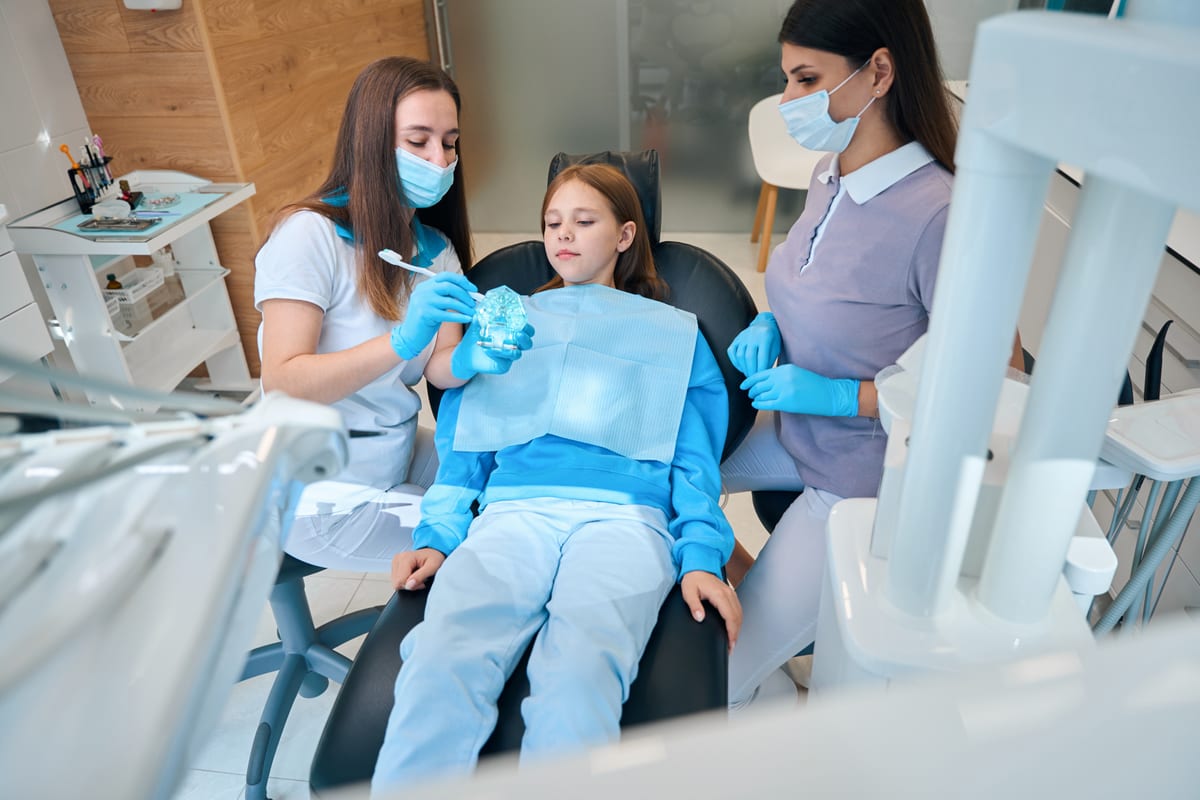
Many Manhattan parents ask the same important question: are fluoride and sealants safe for your child’s teeth in Manhattan? It is a fair concern, and you deserve a straight, science-based answer. Both treatments are backed by decades of research. They remain two of the most effective tools in Preventative Dentistry Manhattan for protecting children’s smiles.
At West End Avenue Pediatric Dentistry, Dr. Robert Peracchia helps families understand every treatment before it happens. This article breaks down what fluoride and sealants actually are, how they work, and why pediatric dental experts recommend them.
What Is Fluoride and How Does It Protect Kids’ Teeth?
Fluoride is a naturally occurring mineral found in soil, water, and many foods. It works by strengthening tooth enamel, making it harder for cavity-causing acids to do damage. Children benefit most during the years when their teeth are still developing.
When a child receives a professional fluoride treatment, the process is quick and painless. A gel, foam, or varnish is applied directly to the teeth. The mineral then absorbs into the enamel and reinforces it over time.
Here is what fluoride treatment does for your child:
- Strengthens developing enamel in baby and permanent teeth
- Reverses early-stage tooth decay before it becomes a cavity
- Reduces the risk of cavities by up to 40 percent
- Works alongside daily brushing and flossing for better protection
Fluoride is also found in most municipal tap water in New York City. The American Academy of Pediatric Dentistry supports both water fluoridation and professional fluoride applications for children.
Are Fluoride Treatments Safe for Children in Manhattan?
Parent concerns about fluoride usually center on a condition called dental fluorosis. This occurs when children consume too much fluoride during tooth development. It can cause faint white spots or streaks on the teeth.
However, fluorosis from professional treatments used correctly is extremely rare. Pediatric dentists carefully control the dose based on your child’s age and weight. Dr. Peracchia follows the American Academy of Pediatric Dentistry guidelines at every visit.
A few important safety points parents should know:
- Professional fluoride varnish contains a carefully measured dose
- Children are asked not to eat or drink for 30 minutes after application
- Toothpaste for children under 3 should be a rice-grain-sized amount
- Children ages 3 to 6 should use only a pea-sized amount of toothpaste
When used appropriately, fluoride is safe, effective, and endorsed by the American Dental Association, the CDC, and the World Health Organization. The evidence supporting its safety spans more than 75 years of research.
What Are Dental Sealants and Who Needs Them?
Dental sealants are thin, protective coatings painted onto the chewing surfaces of back teeth. Molars have deep grooves and pits where food and bacteria easily get trapped. Sealants fill in those grooves, creating a smooth surface that is much easier to clean.
Children typically receive sealants on their first permanent molars, which come in around age six. A second set of molars arrives around age twelve. Applying sealants shortly after these teeth erupt gives children the best protection during cavity-prone years.
The application process is simple and completely painless. Dr. Peracchia cleans the tooth, applies a mild conditioning solution, and then paints on the sealant material. A special curing light hardens it in just seconds. No needles or drilling are involved.
Sealants are a core part of Early Dental Care Manhattan because they protect teeth during the years children are most vulnerable to decay. Studies show sealants can prevent up to 80 percent of cavities in back teeth.
Are Dental Sealants Safe? Addressing BPA Concerns
Some parents have heard that sealants contain BPA, a chemical that raises health concerns. This is worth addressing directly and honestly. Some sealant materials do contain trace amounts of BPA-related compounds.
However, the amount of BPA exposure from sealants is extremely small. It is far lower than the exposure your child receives from everyday items like plastic food containers or canned goods. The American Academy of Pediatric Dentistry states that sealants are safe and their benefits far outweigh any theoretical risk.
If you have concerns, speak with Dr. Peracchia. He can discuss the specific sealant materials used in his practice and answer your questions with complete transparency. Parents are always encouraged to ask before any treatment begins.
Sealants last several years with proper care. Dr. Peracchia checks them at every routine visit to make sure they remain intact and effective. If a sealant chips or wears down, it can be reapplied quickly.
Fluoride and Sealants Together: A Powerful Prevention Strategy
Used together, fluoride and sealants form a strong defense against tooth decay in children. Fluoride protects the entire tooth surface from the inside out. Sealants physically block decay from reaching the most vulnerable spots on back teeth.
Neither treatment replaces good oral hygiene at home. Children still need to brush twice a day, floss daily, and eat a balanced diet. But professional preventive care gives their teeth an added layer of protection that brushing alone cannot provide.
For families in Manhattan, where busy schedules and urban snacking habits can challenge kids’ dental health, these treatments are especially valuable. Dr. Peracchia and the team at West End Avenue Pediatric Dentistry make prevention the foundation of every child’s care plan.
Frequently Asked Questions
At what age should my child first receive fluoride treatments?
The American Academy of Pediatric Dentistry recommends fluoride varnish starting when your child’s first tooth appears, which is typically around six months of age. Dr. Peracchia applies fluoride at routine checkups and adjusts the treatment based on your child’s cavity risk level and age.
How long do dental sealants last on a child’s teeth?
Dental sealants typically last between five and ten years with proper care. Dr. Peracchia checks the condition of your child’s sealants at every routine visit. If a sealant chips or wears away, it can be reapplied during a regular appointment without any discomfort.
Can my child eat and drink normally after a fluoride treatment?
After a fluoride varnish application, children should avoid eating or drinking for about 30 minutes. This allows the fluoride enough time to absorb fully into the enamel. After that brief window, your child can eat and drink as normal throughout the rest of the day.
Are sealants only for permanent teeth, or can baby teeth get them too?
Sealants are most commonly applied to permanent molars, but baby molars can also receive them in some cases. If your child has deep grooves in their primary teeth and a higher cavity risk, Dr. Peracchia may recommend sealants on those teeth as well to protect them until the permanent teeth arrive.
Does my child need both fluoride treatments and sealants?
Many children benefit from both, but recommendations depend on each child’s individual risk factors. Dr. Peracchia evaluates your child’s diet, oral hygiene habits, and cavity history to create a personalized prevention plan. Together, fluoride and sealants offer the most comprehensive protection against childhood tooth decay.
Protecting your child’s smile does not have to feel overwhelming or confusing. Dr. Robert Peracchia and the team at West End Avenue Pediatric Dentistry are here to guide Manhattan families with honest, evidence-based care every step of the way. Book Now to schedule your appointment with our team.