440 West End Avenue, Suite 1C New York, NY 10024


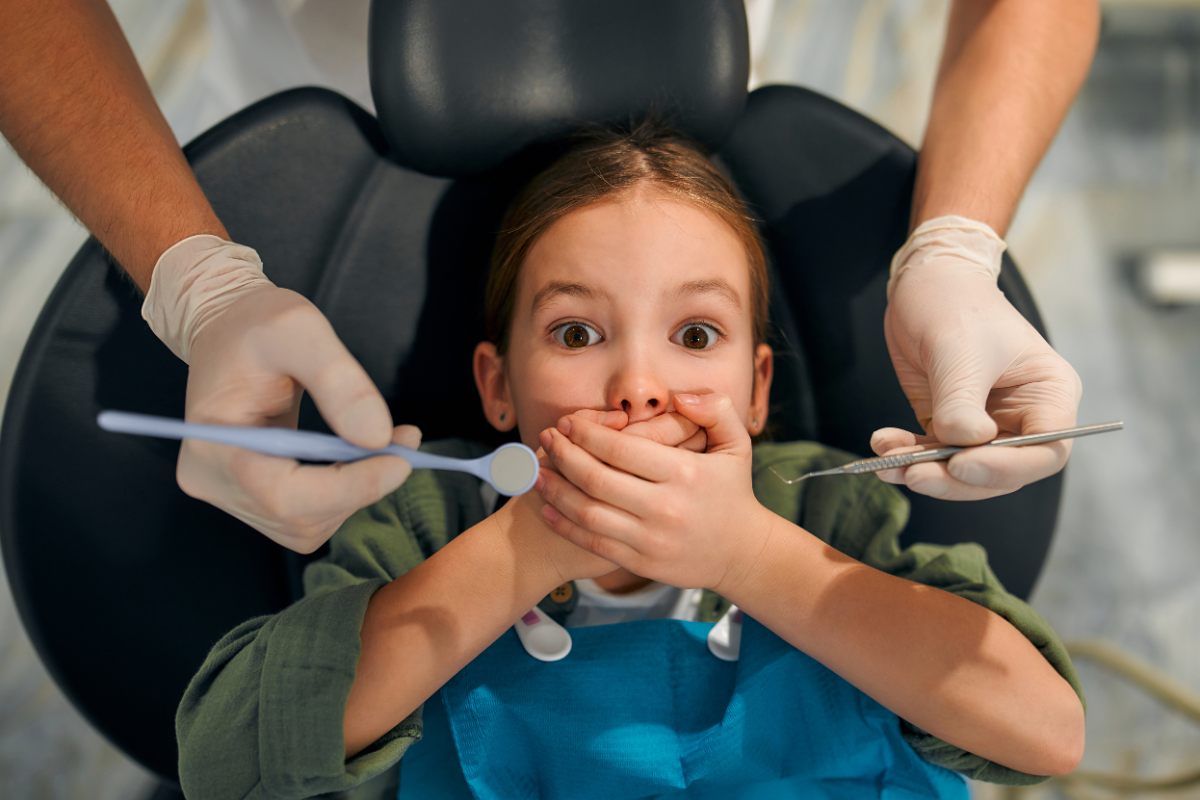
Children can develop sudden dental problems while playing sports, eating, or going about their normal routines. Some situations need prompt treatment, while others can safely wait for a scheduled visit. Knowing the difference helps protect your child’s teeth and prevents unnecessary discomfort.
Families in New York can turn to West End Avenue Pediatric Dentistry when a child experiences unexpected tooth pain or a mouth injury. Dr. Peracchia understands that these situations can feel stressful for both children and parents. Staying calm, checking your child’s symptoms, and calling for guidance are the first steps.
If your child has intense pain, facial swelling, uncontrolled bleeding, or a damaged permanent tooth, contact our emergency pediatric dentist in NYC without delay. Prompt care can relieve pain and may improve the chance of saving an injured tooth.
What Is Considered a Pediatric Dental Emergency?
A pediatric dental emergency is an injury or oral health problem that requires prompt professional evaluation. The condition may involve severe pain, infection, bleeding, tooth damage, or an injury to the gums, lips, tongue, or jaw.
Not every dental concern requires immediate treatment. Mild sensitivity or a small mouth sore may be monitored briefly. However, symptoms that worsen, disrupt sleep, or affect eating should not be ignored. Parents can call a pediatric dental office when they are unsure about the urgency.
Signs Your Child Needs Prompt Dental Care
Contact a dental office promptly if your child has any of the following symptoms:
- Severe or persistent tooth pain
- Swelling of the face, jaw, or gums
- A knocked-out permanent tooth
- A broken, cracked, or displaced tooth
- Bleeding that does not stop with gentle pressure
- A loose permanent tooth after an injury
- Pus, a gum bump, fever, or another sign of dental infection
- A sharp orthodontic wire embedded in the cheek or gums
- Pain that prevents eating, drinking, or sleeping
Even without visible damage, a hard impact to the mouth can injure the tooth root or surrounding bone. A pediatric dental exam may be necessary after significant dental trauma.
Common Dental Emergencies in Children
Severe Toothache
A toothache can result from tooth decay, trapped food, a cracked tooth, or a dental abscess. Gently rinse your child’s mouth with warm water and floss around the affected tooth. Do not place aspirin on the gums because it can irritate oral tissue.
Pain accompanied by fever, gum swelling, or facial swelling needs prompt attention. These symptoms may indicate an infection that requires professional care.
Knocked-Out Tooth
First, determine whether the tooth is primary or permanent. Never place a knocked-out baby tooth back into its socket because doing so may damage the developing permanent tooth.
For a permanent tooth, hold it by the crown, not the root. Keep it moist in milk or an approved tooth-preservation solution. If your child can cooperate safely, gentle reinsertion may be possible, but do not force it. Seek care immediately because timing can affect whether the tooth can be saved.
Chipped or Broken Tooth
Rinse your child’s mouth gently and apply a cold compress outside of the cheek. Save any tooth fragments in milk or saliva and bring them to the appointment. A broken tooth needs evaluation even when your child reports little or no pain.
Injured Lip, Tongue, or Cheek
Clean the area carefully and apply firm pressure with sterile gauze or a clean cloth. Use a cold compress to limit swelling. If bleeding remains heavy or does not stop after 10 to 15 minutes of continuous pressure, seek medical care.
Dental Abscess or Facial Swelling
A dental abscess may appear as a painful bump on the gums. It can also cause bad breath, fever, a foul taste, or facial swelling. Do not squeeze or puncture the area.
Parents searching for an emergency pediatric dentist near me should call immediately when swelling appears. Rapidly increasing swelling or difficulty breathing or swallowing requires emergency medical care.
What Should Parents Do First?
When an accident occurs, follow these steps:
- Stay calm. Children often respond to a caregiver’s emotions.
- Check for serious injuries. Look for heavy bleeding, breathing problems, jaw damage, or signs of a head injury.
- Rinse gently. Use clean, lukewarm water unless different instructions are provided.
- Control swelling. Place a wrapped cold compress outside the mouth.
- Save the tooth or fragments. Handle a permanent tooth only by its crown and keep it moist.
- Call the dental office. Describe the injury, symptoms, and when the problem started.
- Follow professional instructions. The dental team can tell you whether your child needs immediate treatment.
For access to emergency pediatric dentistry in New York, you may visit our dental office at West End Avenue Pediatric Dentistry. An examination can identify hidden damage and determine the appropriate next step. A timely visit with an emergency pediatric dentist in NYC may also reduce the risk of infection or further tooth damage.
When Should You Go to a Hospital Emergency Room?
Call 911 or go to the nearest emergency room if your child has:
- Trouble breathing or swallowing
- Uncontrolled or heavy bleeding
- Loss of consciousness, confusion, or repeated vomiting
- A suspected broken jaw
- Serious facial trauma
- Rapidly spreading swelling near the eye, neck, or throat
A hospital can address life-threatening symptoms, head injuries, and major facial trauma. Dental treatment may still be needed after your child is medically stable.
How Can Parents Lower the Risk of Dental Injuries?
Some accidents cannot be prevented, but parents can reduce common risks by:
- Providing a properly fitted mouthguard for sports
- Discouraging children from chewing ice or hard objects
- Using age-appropriate car seats and seat belts
- Keeping floors and play areas free of tripping hazards
- Scheduling routine dental checkups
- Addressing cavities before they cause pain or infection
Preventive visits also help children become comfortable with the dental setting before an urgent situation occurs.
Get Help for Your Child’s Dental Emergency in New York
Recognizing warning signs and responding calmly can protect your child’s comfort and oral health. Do not wait when your child has severe pain, swelling, uncontrolled bleeding, or an injured permanent tooth.
For emergency pediatric dentistry in New York, contact West End Avenue Pediatric Dentistry. Our team can assess your child’s symptoms and explain what to do next. Reach our emergency pediatric dentist in NYC for prompt pediatric dental care. Call now at 917-979-2673 for assistance with your child’s dental emergency.
Frequently Asked Questions
- Is every toothache in a child a dental emergency?
A mild toothache may not require same-day treatment, but persistent or intense pain should be evaluated promptly. Seek care sooner if the pain disrupts sleep or is accompanied by fever, swelling, or a gum bump.
- What should I do if my child knocks out a baby tooth?
Do not put a baby tooth back into its socket. Keep your child calm, control any bleeding with clean gauze, and contact a pediatric dental office promptly to have the gums and the developing permanent tooth checked.
- Can a chipped tooth wait until the next regular visit?
A small chip may not seem urgent, but the damage can extend deeper than it appears. Contact the dental office for guidance and arrange an evaluation to protect the tooth from sensitivity, infection, or additional breakage.
- When is facial swelling considered dangerous?
Facial swelling may signal a dental infection. Seek prompt care if swelling increases or occurs with fever. Call 911 when your child has trouble breathing, swallowing, or staying alert.
- Should I give my child pain medication before the visit?
An age-appropriate pain reliever may provide temporary comfort when used according to the product label or your child’s healthcare provider. Never place aspirin directly on a tooth or gum, and do not delay the dental evaluation.
- What should I bring to an urgent dental visit?
Bring your child’s medical information, medication list, and dental insurance details. Also bring any tooth fragments or a knocked-out permanent tooth stored in milk or a tooth-preservation solution.