440 West End Avenue, Suite 1C New York, NY 10024


A dental emergency can turn an ordinary day into a stressful one within seconds. Your child may fall at the playground, break a tooth during sports, wake up with severe tooth pain, or suddenly develop swelling around the gums or face. For parents, the first question is usually the same: What should I do now?
Knowing which situations require immediate dental attention and understanding the treatments available can help you respond calmly. Pediatric dental emergencies can include toothaches, broken teeth, knocked-out teeth, dental infections, mouth injuries, and problems involving orthodontic appliances. The right treatment depends on the child’s age, whether the affected tooth is primary or permanent, and the extent of the injury.
At West End Avenue Pediatric Dentistry, Dr. Robert Peracchia provides pediatric dental care with attention to the unique needs of growing smiles. If your child develops sudden dental pain or experiences an injury in New York, contact our dental office for guidance and prompt evaluation.
What Counts as a Dental Emergency in a Child?
Not every dental problem requires immediate treatment, but certain symptoms should never be ignored. As pediatric dental practitioners, we encourage parents to contact a dentist promptly when a child experiences:
- Severe or persistent tooth pain
- A knocked-out permanent tooth
- A broken, cracked, or displaced tooth
- Facial or gum swelling
- Signs of a dental abscess
- Bleeding that does not stop with gentle pressure.
- An injury involving the lips, gums, tongue, or jaw
- A wire or orthodontic appliance embedded in soft tissue
- Dental trauma accompanied by significant pain
An emergency pediatric dentist can determine whether treatment is needed immediately or whether the problem can safely be managed until a scheduled appointment.
Difficulty breathing or swallowing, rapidly increasing facial swelling, major facial trauma, loss of consciousness, or uncontrolled bleeding may require immediate medical emergency care.
What Happens During an Emergency Pediatric Dental Visit?
Our first step is to understand what happened and evaluate your child’s condition. We may ask when the symptoms started, how an injury occurred, whether the tooth is primary or permanent, and whether your child has other medical concerns.
The examination focuses on identifying pain, bleeding, swelling, tooth movement, fractures, and soft-tissue injuries. Dental X-rays may be recommended when we need to evaluate a tooth root, a developing permanent tooth, surrounding bone, or an injury that is not fully visible during the clinical examination.
Once we understand the problem, we can recommend the most appropriate procedure. Pediatric emergency treatment is not one-size-fits-all. Protecting your child’s comfort, oral development, and long-term dental health all influence treatment planning.
Treating Severe Toothaches
A severe toothache can result from tooth decay, inflammation inside the tooth, infection, dental trauma, or food trapped between teeth.
Treatment begins by identifying the source rather than simply masking the pain. Depending on what we find, care may include:
- Cleaning decay from the tooth
- Placing a filling or protective restoration
- Treating the dental pulp when appropriate
- Managing an infection
- Removing a tooth that cannot reasonably be restored
Until your child reaches the dental office, gently rinse the mouth with warm water and floss carefully if food may be trapped between the teeth. Never place aspirin directly against a painful tooth or gum.
Repairing a Chipped or Broken Tooth
Children can fracture teeth after falls, sports injuries, playground accidents, or biting something unusually hard.
The appropriate repair depends on how much tooth structure has been lost. A small chip may need smoothing or a restorative material, while a deeper fracture may require additional treatment to protect the inner portion of the tooth.
If you find a broken fragment, save it and bring it to the appointment. Keep the fragment moist during transportation. Even when a broken tooth does not initially hurt, it should be evaluated promptly because more serious damage may not be immediately obvious.
For families looking for an emergency pediatric dentist in NYC, contacting a pediatric dental office quickly after trauma can help determine the extent of the injury and what treatment is appropriate.
Managing a Knocked-Out Permanent Tooth
A knocked-out permanent tooth is one of the most time-sensitive childhood dental emergencies.
Find the tooth and hold it only by the crown, which is the portion normally visible in the mouth. Avoid touching or scrubbing the root. If it is dirty, gently rinse it without aggressively cleaning it.
When possible and appropriate, a permanent tooth may be carefully repositioned in its socket. If this cannot be done safely, keep the tooth moist in milk or an appropriate tooth-preservation solution while traveling immediately to a dentist.
Prompt treatment is important because the condition of the cells surrounding the tooth’s root affects the possibility of successful replantation.
What if a baby tooth gets knocked out?
The approach is different for primary teeth. Do not attempt to put a knocked-out baby tooth back into the socket. Replanting a primary tooth can create additional risks, including possible harm to the developing permanent tooth beneath it.
Instead, control bleeding with clean gauze and contact your child’s dentist for an evaluation.
Repositioning a Loose or Displaced Tooth
Dental trauma does not always knock a tooth completely out. Sometimes a tooth is pushed sideways, inward, outward, or deeper into its socket.
Parents should not force a displaced tooth back into position unless specifically instructed by a dental professional. The dentist needs to determine whether the affected tooth is primary or permanent and assess the surrounding bone and supporting tissues.
Treatment may involve monitoring the tooth, repositioning it, or stabilizing it when indicated. Follow-up visits are particularly important because changes to the dental pulp or surrounding tissues can develop after the initial injury.
Treating Dental Abscesses and Facial Swelling
Swelling around a tooth or gum can indicate an infection. Other possible warning signs include persistent pain, tenderness, a pimple-like bump on the gum, fever, difficulty chewing, or an unpleasant taste in the mouth.
The priority is identifying and treating the source of infection. Depending on the tooth and severity of the condition, treatment may involve pulp therapy, drainage, or extraction. Antibiotics may sometimes be appropriate when infection is associated with systemic symptoms or spreading swelling, but they do not replace treatment of the underlying dental problem.
Parents seeking emergency pediatric dentistry in New York should contact a pediatric dentist promptly when facial or gum swelling appears rather than waiting to see whether it resolves.
Emergency Treatment for Cuts to the Lip, Tongue, or Cheek
Falls and accidental bites can cause significant bleeding because the mouth contains many blood vessels.
Start by gently cleaning the area and applying firm pressure with clean gauze or cloth. A cold compress on the outside of the mouth can help limit swelling.
Small cuts often heal without extensive treatment. However, deep wounds, uncontrolled bleeding, embedded debris, or injuries extending through the lip may require professional evaluation. If bleeding remains heavy despite continuous pressure, seek urgent medical attention.
Managing Broken Braces or Orthodontic Wires
A loose bracket or broken wire can irritate the cheek, tongue, or gums. If a sharp wire is poking soft tissue, orthodontic wax can temporarily cover it.
Do not pull on a wire that is stuck or embedded in tissue. If an orthodontic component is causing significant pain, bleeding, or tissue injury, contact the dental or orthodontic office for instructions.
For a loose appliance that is not painful, treatment may be less urgent, but parents should still call to determine when it should be repaired.
How Do Pediatric Dentists Keep Children Comfortable During Emergency Care?
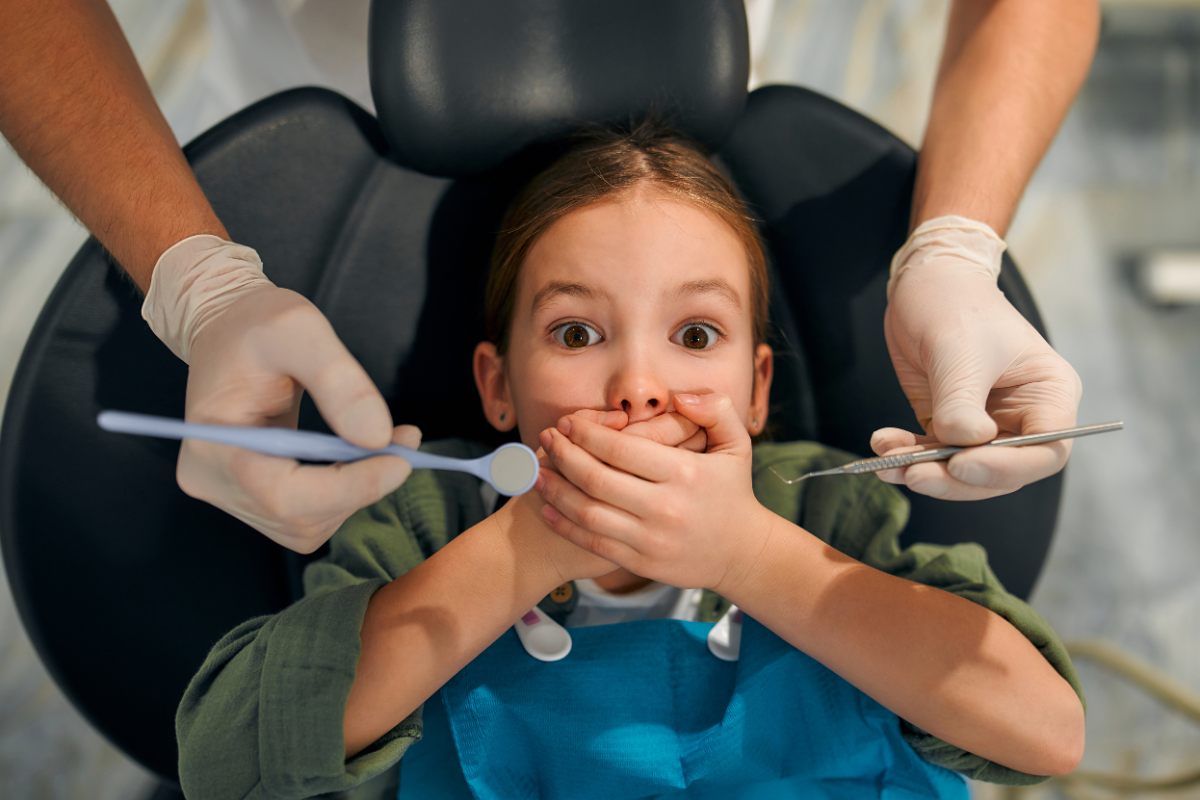
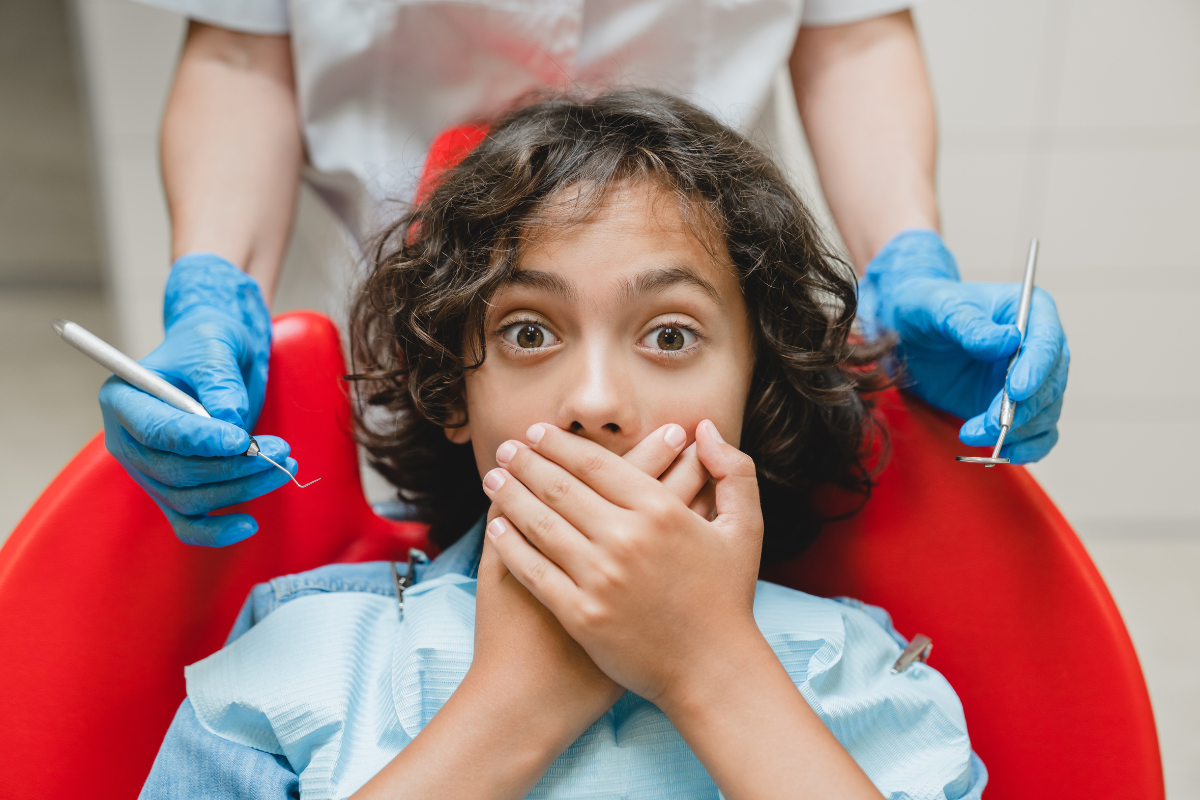
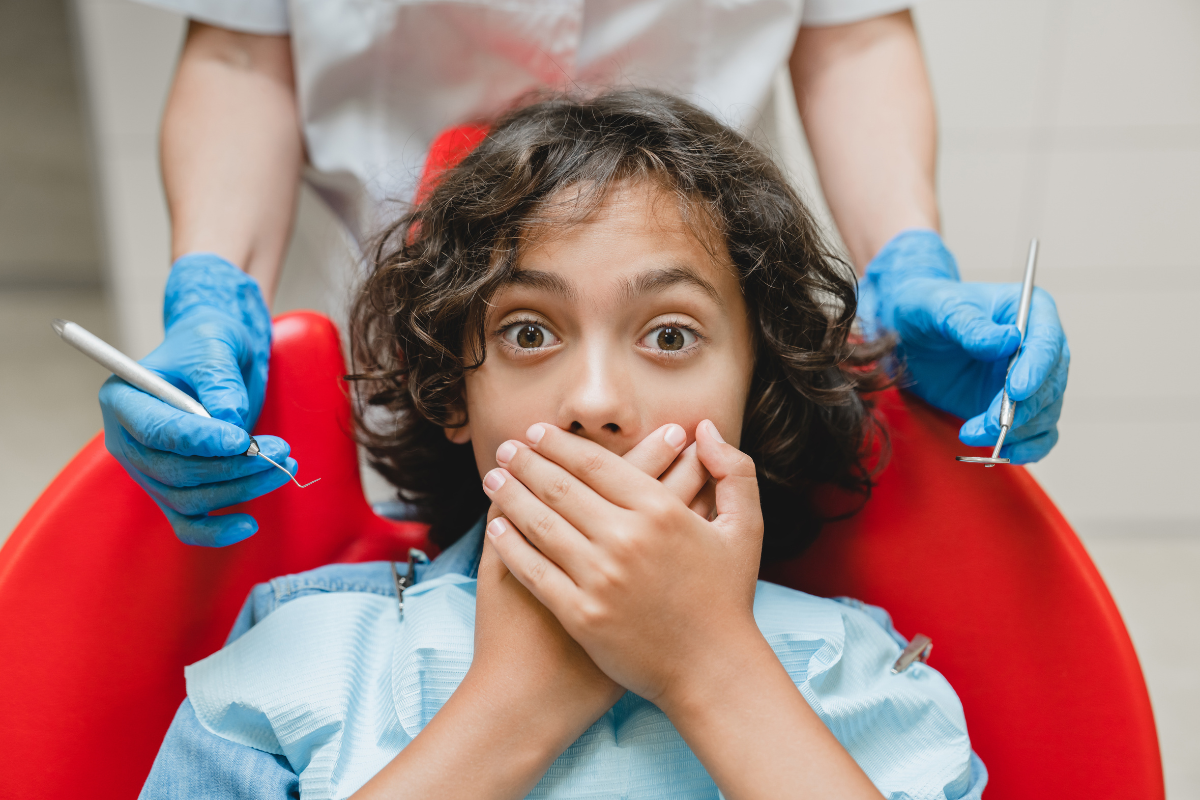
Dental emergencies can be frightening, particularly for younger children. Fear can also make examination and treatment more difficult.
We recommend that parents remain calm and avoid using alarming words when explaining the visit. Tell your child that the dentist is going to look at the area and help it feel better.
During pediatric emergency care, treatment planning considers not only the dental injury but also the child’s age, developmental level, ability to cooperate, and emotional response. Behavior guidance and appropriate pain management can make urgent treatment more manageable.
This child-centered approach is an important part of emergency pediatric dentistry in New York because successful treatment involves addressing both the immediate dental problem and the child’s experience.
What Should Parents Bring to an Emergency Appointment?
Calling the dental office before arriving can help the team understand the situation and provide appropriate instructions.
If possible, bring:
- Any pieces of a broken tooth
- A knocked-out permanent tooth stored appropriately
- Information about when and how the injury occurred
- Your child’s current medications and relevant medical history
- Details about symptoms such as swelling, fever, or bleeding
An emergency pediatric dentist may also need to know whether your child lost consciousness, vomited, developed a severe headache, or experienced other symptoms after a fall or blow to the face. These symptoms can indicate the need for medical assessment in addition to dental care.
Can Childhood Dental Emergencies Be Prevented?
Not every accident is preventable, but parents can reduce several common risks.
Children involved in contact or recreational sports should wear an appropriately fitted mouthguard. Discourage chewing ice, hard objects, pens, or other items that could fracture teeth. Regular dental examinations also allow us to identify cavities and other problems before they become painful emergencies.
At home, consistent brushing, flossing, and age-appropriate supervision can reduce the risk of decay progressing to severe pain or infection.
Know Where to Turn Before an Emergency Happens
When a child is injured or suddenly develops dental pain, having a plan can save valuable time. Keep your pediatric dentist’s contact information easily accessible and know which symptoms require immediate medical attention.
Parents searching for an emergency pediatric dentist in NYC should remember that the correct procedure depends heavily on whether the affected tooth is primary or permanent and how severely the tooth and surrounding tissues have been injured.
At West End Avenue Pediatric Dentistry, we can evaluate pediatric dental emergencies and determine the appropriate next step for your child’s smile. If your child experiences severe tooth pain, swelling, a broken tooth, or dental trauma, contact our office promptly for guidance and care. Call us today at 917-979-2673 for prompt assistance.
Frequently Asked Questions
- Should I take my child to the ER or an emergency dentist for a tooth injury?
For isolated tooth pain, fractures, or knocked-out teeth, contact a pediatric dentist promptly. Go to an emergency room for uncontrolled bleeding, breathing difficulty, major facial trauma, loss of consciousness, or other serious medical symptoms.
- What should I do if my child’s permanent tooth gets knocked out?
Hold the tooth by its crown, not the root. If dirty, rinse it gently without scrubbing. Keep it moist and seek dental care immediately. Rapid treatment can significantly influence whether successful replantation is possible.
- Can a knocked-out baby tooth be put back in?
No. A knocked-out primary tooth generally should not be replanted because doing so may damage the developing permanent tooth underneath. Control bleeding with clean gauze and contact your child’s pediatric dentist for prompt evaluation and follow-up.
- Is facial swelling from a tooth infection an emergency?
Facial swelling can indicate a spreading dental infection and requires prompt professional assessment. If swelling progresses rapidly or your child develops difficulty breathing or swallowing, fever, significant illness, or airway concerns, seek immediate emergency medical attention.
- Does every broken tooth need emergency treatment?
A minor chip may not require immediate treatment, but every dental fracture deserves professional evaluation. Deep fractures can expose sensitive inner tooth structures or damage the pulp, even when a child initially reports little discomfort.
- What can I give my child for dental pain before the appointment?
Parents should follow age-appropriate medication directions provided by their pediatrician, dentist, or product labeling. Never place aspirin directly against the tooth or gums. Pain medicine offers temporary relief and does not treat the underlying dental problem.
- How quickly should a child see a dentist after dental trauma?
Contact a pediatric dentist immediately after significant trauma. Knocked-out permanent teeth are especially time-sensitive. Even injuries without severe pain may require prompt assessment because root, pulp, supporting-tissue, or developing-tooth damage may not be immediately visible.