440 West End Avenue, Suite 1C New York, NY 10024


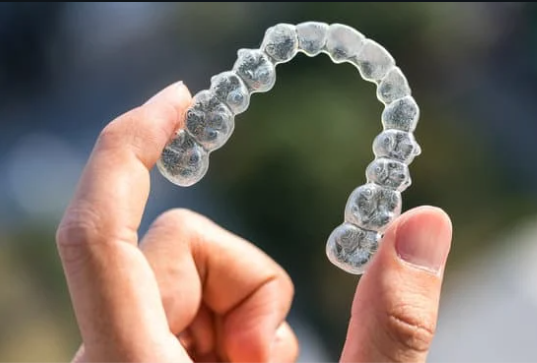
What happens if someone stops wearing their orthodontic retainers after completing treatment? The answer is simple yet serious. Without retention, teeth often return to their original positions, undoing months or even years of orthodontic progress.
Orthodontic treatment doesn’t end the day your braces or aligners come off. In the final phase, wearing retainers as prescribed by your orthodontist in New York, NY, is critical for preserving your new smile. Let’s explore what retainers do, why they matter, and the long-term risks of not wearing them consistently.
The Role of Orthodontic Retainers in Smile Preservation
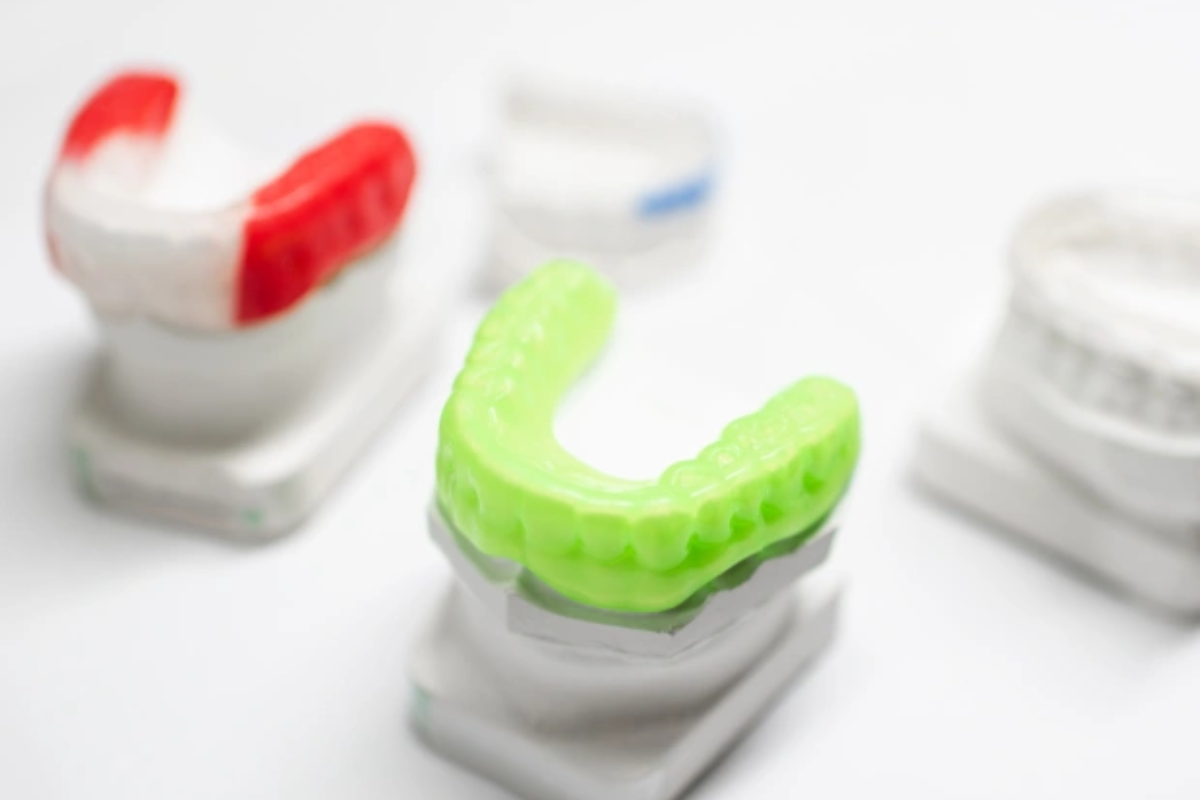
Orthodontic retainers are custom-made appliances designed to maintain the alignment achieved after braces or aligner therapy. When braces come off, teeth remain vulnerable to shifting because the supporting bone and soft tissues need time to stabilize. Retainers help by:
- Holding teeth in their corrected positions – prevents relapse while tissues adapt to the new alignment.
- Protecting treatment results – ensuring the bite and jaw alignment remain stable.
- Reducing the risk of retreatment – saving time, money, and discomfort in the future.
Most orthodontists recommend wearing retainers full-time, gradually transitioning to nighttime wear as teeth become more stable.
Why Consistent Retainer Use Is Non-Negotiable
After orthodontic treatment, teeth remember their old positions—a phenomenon known as “orthodontic memory.” Without proper retention, natural forces like chewing, biting, and even tongue pressure can cause gradual shifting.
This is why your orthodontist stresses wearing retainers exactly as instructed. Skipping this step risks losing the alignment you worked so hard to achieve.
What Happens If You Don’t Wear Retainers?
Failing to wear retainers as recommended can lead to multiple dental and cosmetic problems, including:
1. Teeth Shifting Back to Old Positions
Relapse often begins subtly. Over months or years, minor movements can accumulate, eventually reversing much of your orthodontic progress.
2. Bite Problems Returning
Corrected overbites, underbites, or crossbites can gradually reappear, affecting chewing efficiency and jaw comfort.
3. Increased Risk of Orthodontic Retreatment
If relapse worsens, you may need braces or aligners to restore alignment, adding cost and time.
4. Aesthetic and Functional Changes
Shifting teeth can affect smile appearance, speech clarity, and even self-confidence over time.
The Orthodontist’s Role in Long-Term Retention
Your orthodontist in New York, NY, does more than provide retainers. They create a retention plan tailored to your needs, monitor progress through follow-ups, and adjust recommendations over time.
This professional guidance ensures your teeth remain stable as bone and gum tissues adapt fully to their new positions.
How to Maintain Your Smile After Orthodontic Treatment?
- Wear retainers as prescribed: Consistency prevents relapse and protects your investment.
- Store them properly: Keep retainers in a protective case when not in use.
- Clean them regularly: Maintain hygiene by brushing retainers daily and soaking as instructed.
- Schedule checkups: Regular visits allow your orthodontist to track retention and make adjustments if needed.
A proactive approach keeps your smile healthy, aligned, and long-lasting.
Protect Your Smile With Expert Orthodontic Care
Skipping retainers may initially seem harmless, but the long-term effects can reverse your hard-earned results. Consistent wear is essential for keeping your teeth aligned and your bite stable. To protect your smile and receive expert post-treatment care, visit Dr. Robert Peracchia, DDS (West End Avenue Pediatric Dentistry) and consult our experienced orthodontist in New York, NY, for personalized guidance on retention and long-term oral health.