440 West End Avenue, Suite 1C New York, NY 10024


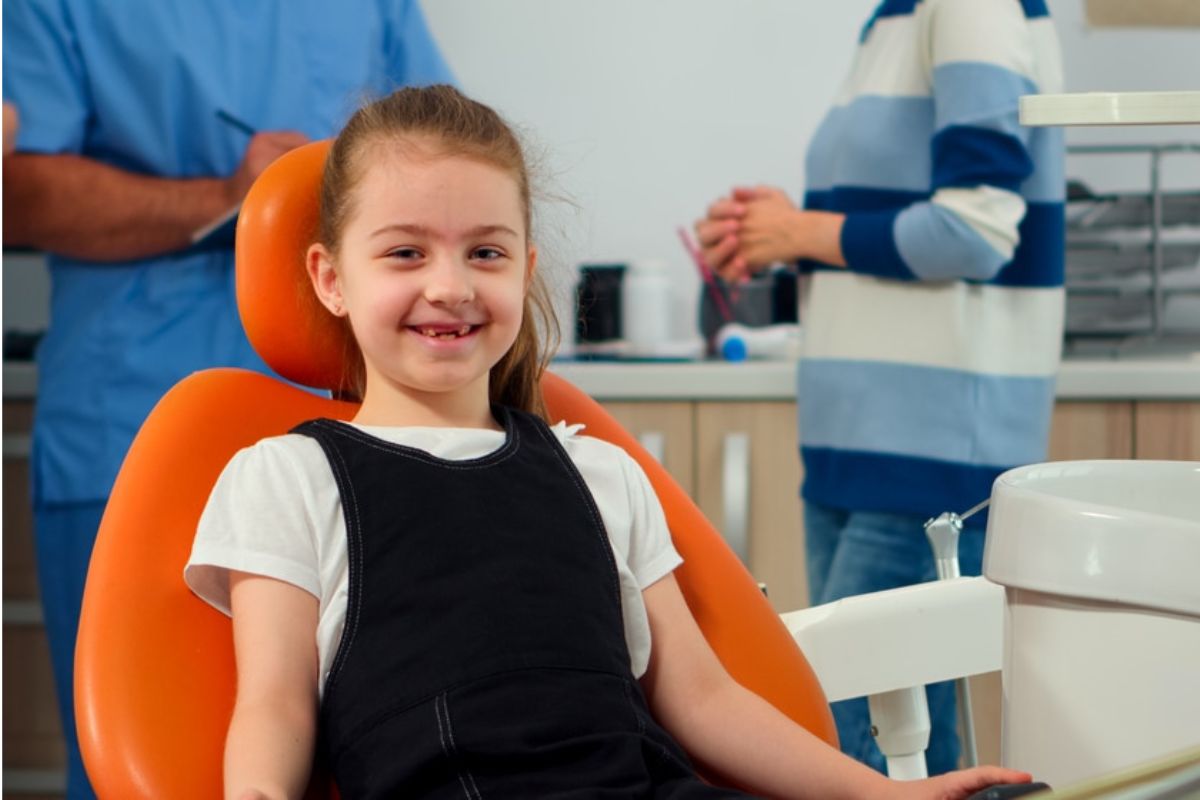
Parents often wonder about the optimal time for their child’s first visit to an orthodontist. While every child’s dental development is unique, early evaluation plays a crucial role in ensuring proper growth and preventing potential complications. Proactive orthodontic care at the right time lays the foundation for a straight, healthy smile that lasts a lifetime.
The Recommended Age for an Initial Orthodontic Evaluation
Most orthodontic experts recommend that children have their first orthodontic evaluation by the age of seven. At this stage, the first permanent molars and incisors have typically erupted, allowing the orthodontist to assess the child’s bite and jaw growth patterns. Early checkups can identify potential issues such as crowding, crossbites, and misalignments before they become more severe. Even if immediate treatment isn’t necessary, regular monitoring of dental development helps guide future treatment planning.
Identifying Signs That Your Child May Need Orthodontic Care
Certain early warning signs can indicate potential orthodontic problems. Parents should be vigilant in observing their child’s dental development and look for the following indicators:
- Difficulty chewing or biting
- Crowded, misplaced, or blocked-out teeth
- Thumb-sucking persisting beyond age five
- Mouth breathing
- Jaw pain or clicking sounds
- Premature or delayed loss of baby teeth
- Asymmetrical facial appearance
If you notice any of these signs, it’s advisable to schedule a consultation with an orthodontist. Early intervention can prevent the need for more extensive and complex treatments later on.
The Advantages of Early Orthodontic Evaluation
Early orthodontic evaluation offers numerous benefits, including:
- Guiding jaw growth to achieve a well-aligned bite
- Creating adequate space for emerging permanent teeth
- Reducing the likelihood of future tooth extractions
- Improving facial symmetry and overall appearance
- Promoting better oral hygiene and reducing the risk of dental problems
Addressing orthodontic issues early contributes to improved long-term oral health and a more confident smile.
Early Orthodontic Care vs. Immediate Braces
It’s important to understand that early orthodontic evaluation doesn’t necessarily mean immediate braces. In many cases, children may only require periodic monitoring of their dental development. Others may benefit from early interceptive treatments such as space maintainers or palatal expanders. Full orthodontic treatment, including braces or clear aligners, typically begins during the teenage years, when most or all permanent teeth have erupted, to achieve lasting correction.
Selecting the Right Orthodontist
Choosing a skilled and experienced orthodontist is crucial for ensuring a comfortable and stress-free treatment experience. Look for a professional with expertise in pediatric orthodontics. Their approach should be gentle, informative, and focused on promoting long-term oral health.
Maintaining Oral Health During Orthodontic Treatment
If your child begins orthodontic treatment, maintaining excellent oral hygiene is essential. Encourage regular brushing, flossing, and routine dental checkups to prevent cavities and gum disease. A well-maintained smile contributes to a lifetime of confidence and health.
A Healthy Smile Begins with Early Evaluation
Scheduling an orthodontic checkup at the appropriate time is a proactive step toward ensuring your child’s healthy dental development. Early intervention can prevent future complications, making treatments easier and more effective. Take the first step toward your child’s best smile by scheduling a consultation with an orthodontist today.