440 West End Avenue, Suite 1C New York, NY 10024


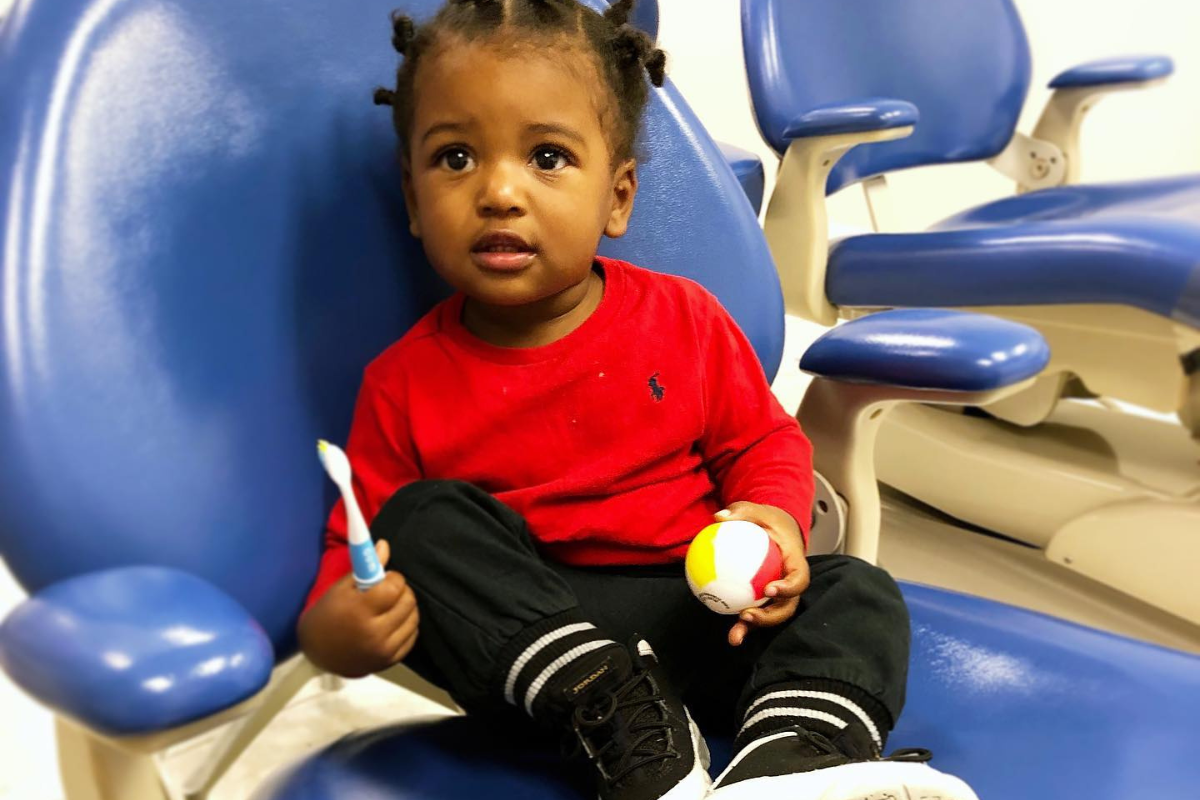
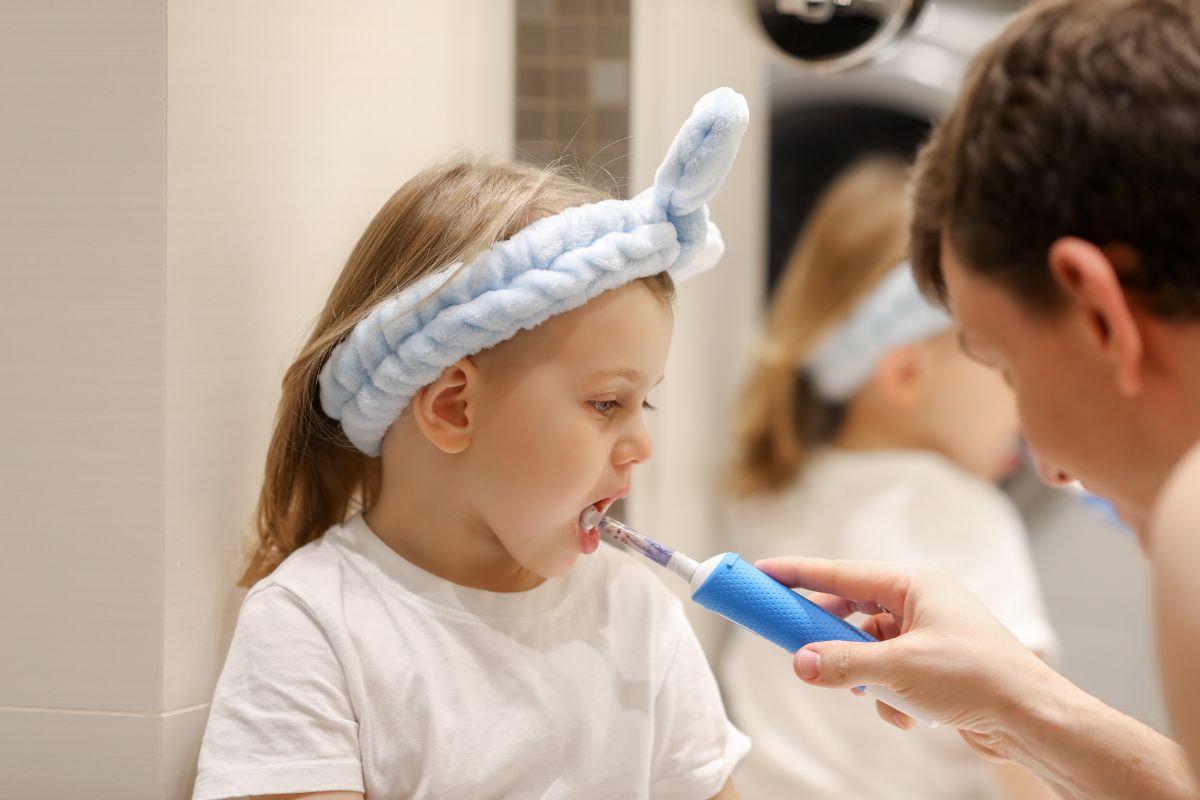
Brushing a toddler’s teeth often feels like a full-contact sport. If your little one arches their back, locks their jaw, or bursts into tears the moment the toothbrush appears, you are not alone. Transitioning from quiet baby gum wipes to a daily toothbrushing routine can be overwhelming for young children, but keeping baby teeth clean is essential for long-term oral health.
Understanding why toddlers fight toothbrushing and implementing gentle, pediatric-backed strategies can transform bedtime standoffs into a peaceful, routine part of your day. At West End Avenue Pediatric Dentistry, led by Dr. Robert Peracchia, DDS, our goal is to empower parents with practical, stress-free ways to build healthy habits from the start.
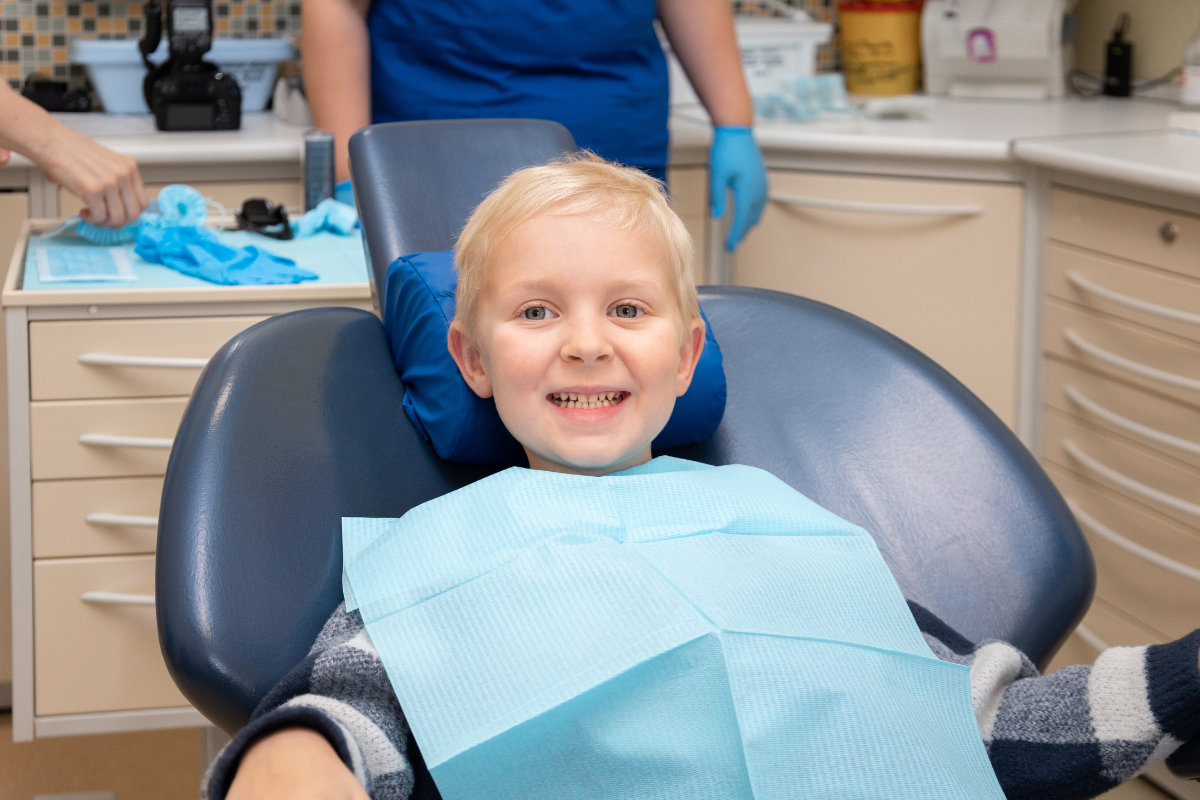
If you are looking to partner with a compassionate kids dentist New York City families trust, we invite you to visit our dental office for personalized care tailored to your child’s developmental needs.
Why Do Toddlers Cry During Toothbrushing?
Toddlers resist toothbrushing because of sensory sensitivity, a desire for independence, and physical discomfort from teething. Overcoming this resistance requires establishing control, predictability, and gentle desensitization techniques.
To a toddler, toothbrushing isn’t just a chore; it can feel like a loss of control. Their mouths are sensitive, and having an adult insert a firm object into their space triggers a defensive reflex. Furthermore, emerging molars and sore gums from teething can make brushing uncomfortable.
According to data from the Centers for Disease Control and Prevention (CDC), over 40% of children have dental caries (cavities) by the time they reach kindergarten. Primary teeth are critical: they hold space for permanent adult teeth, aid in proper speech development, and ensure pain-free chewing. Protecting these teeth requires consistency, but consistency doesn’t have to mean conflict.
5 Practical Strategies for Tear-Free Brushing
Introduce Choice and Control
Toddlers crave autonomy. Offering small, structured choices gives them a sense of ownership without sacrificing the outcome.
- Allow them to choose between two kid-friendly, ADA-accepted toothbrushes.
- Let them pick between two safe, fluoridated toothpaste flavors (such as watermelon or mild mint).
- Let them brush your teeth first, or let them brush a stuffed animal’s “teeth” before you brush theirs.
Turn Brushing into Play
Making oral hygiene fun disrupts the power struggle.
- Sing a 2-minute song: Use familiar tunes like “Row, Row, Row Your Boat” rewritten with brushing cues.
- Use a fun timer: Hourglass sand timers or kid-friendly brushing apps turn time into a game.
- Hunt for “Sugar Bugs”: Tell your toddler you are searching for hidden “sugar bugs” behind their back molars.
Master the Knee-to-Knee Position
Proper positioning ensures comfort and safety for both parent and child.
- Sit facing another adult or set your toddler on your lap with their head resting against your chest or knees.
- Lift the lips gently with one hand while brushing with the other. This angle offers better visibility and prevents accidental slips that might poke tender gums.
How Local Factors in New York Influence Pediatric Dental Habits
Parenting a toddler in New York presents unique daily dynamics that can directly impact dental routines. Between busy city schedules, subway commutes, and frequent stops at neighborhood spots like Levain Bakery for a sweet treat or a bagel shop in Morningside Heights, snack consumption happens frequently throughout the day.
Frequent snacking on sticky carbohydrates or sugary drinks creates an acidic environment in the mouth, accelerating enamel breakdown. For families searching for a specialized pediatric dentist in Morningside Heights or nearby Upper West Side neighborhoods, establishing a consistent daily hygiene routine helps counter these city-specific habits.
When navigating the bustle of New York City life, keeping a travel toothbrush and water bottle handy ensures you can rinse away food particles even when dining out around Central Park or Riverside Park.
Choosing the Right Brushing Tools for Toddlers
Using age-appropriate tools reduces friction and discomfort during brushing:
| Feature | Recommended Standard | Why It Matters |
| Bristle Type | Ultra-soft, rounded nylon | Prevents gum irritation and protects thin toddler enamel. |
| Head Size | Compact, child-sized head | Easily reaches tight spaces around back molars without triggering gag reflexes. |
| Toothpaste Amount | Grain-of-rice sized (Ages 0–3) | Delivers protective fluoride benefits while remaining safe if swallowed. |
| Handle Design | Wide, ergonomic rubber grip | Allows toddlers to practice holding the brush while parents maintain control. |
When to Involve a Professional
If toothbrushing remains a daily struggle despite trying these strategies, a professional evaluation can help rule out underlying issues such as lip/tongue ties, severe sensory processing difficulties, or early tooth decay.
As a premier New York pediatric dental practice, our team focuses on preventive desensitization. Partnering with an experienced kids dentist New York City parents rely on ensures your child receives gentle, personalized guidance in a welcoming environment designed specifically for young smiles.
- Establish a Predictable Routine: Daily Consistency.
Brush at the exact same times every day, typically after breakfast and right before bedtime, so your toddler knows what to expect.
- Let Them Try First, Then Take Your Turn: Building Autonomy.
Allow your toddler to “brush” independently for 30 seconds to foster confidence, then explain that it is your turn to finish the job.
- Use Positive Reinforcement: Encouraging Progress.
Celebrate successful brushing sessions with high-fives, sticker charts, or bedtime story privileges rather than food rewards.
Ensure Your Kids’ Oral Health is in Safe Hands
Every child’s developmental timeline and anatomical needs are unique. To ensure your toddler’s teeth and gums are developing properly, we encourage you to schedule a personalized diagnostic evaluation at our office.
Take the first step toward a lifetime of healthy, tear-free smiles. Visit our dental office on the Upper West Side to meet our compassionate care team.
Frequently Asked Questions
When should I start brushing my toddler’s teeth with toothpaste?
You should begin using a tiny smear of fluoridated toothpaste, about the size of a grain of rice, as soon as your child’s first tooth erupts through the gums.
What if my toddler swallows the toothpaste?
A rice-sized smear of fluoride toothpaste contains a safe amount of fluoride, even if swallowed completely by a toddler who hasn’t learned to spit yet.
Should I use an electric toothbrush for my toddler?
Electric toothbrushes are safe for toddlers and can make brushing fun, provided the brush head is soft, compact, and designed specifically for young children.
How do I stop my toddler from biting the toothbrush?
Gently rest your finger along their cheek or use a second toothbrush to keep their mouth occupied while you clean with the primary brush.
Why are baby teeth important if they just fall out anyway?
Baby teeth hold essential space for permanent teeth, guide proper jaw growth, and allow your toddler to speak clearly and chew comfortably without pain.
How long should parents brush their children’s teeth?
Parents should actively brush or supervise their child’s toothbrushing until around age 7 or 8, when the child develops the fine motor skills to brush thoroughly independently.
How often should my toddler visit the pediatric dentist?
The American Academy of Pediatric Dentistry recommends establishing a dental home by age one and scheduling routine preventive checkups every six months thereafter.