440 West End Avenue, Suite 1C New York, NY 10024


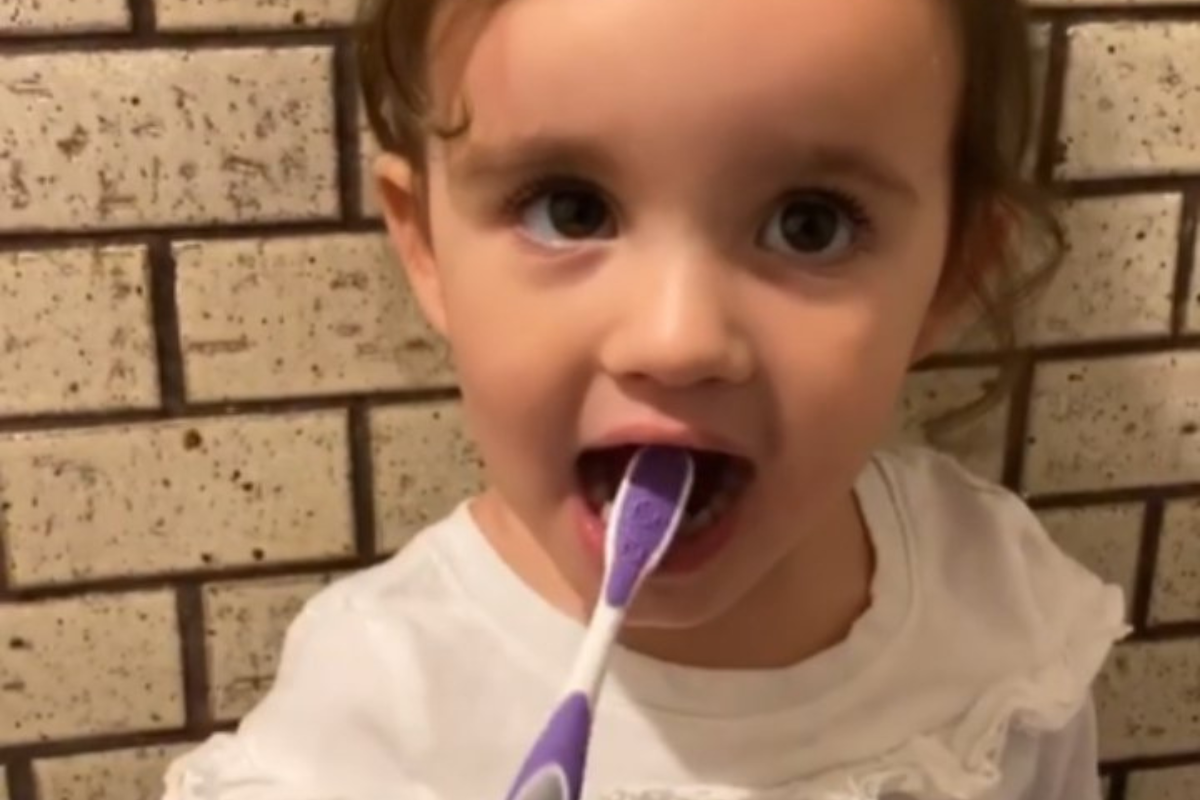
Parents often assume that a toddler who fights tooth brushing is simply being stubborn. In reality, brushing resistance is usually tied to normal developmental milestones. Toddlers are learning independence, becoming more aware of sensations, and testing boundaries. Understanding why your child resists brushing can make the difference between a nightly struggle and a healthy habit that lasts for years.
Good oral hygiene starts long before a child can brush independently. According to the Centers for Disease Control and Prevention (CDC), cavities remain one of the most common chronic childhood diseases in the United States. Consistent brushing, fluoride exposure, and regular dental visits play a critical role in preventing tooth decay and supporting healthy development.
At West End Avenue Pediatric Dentistry, we work exclusively with infants, children, adolescents, and children with special healthcare needs. Through years of caring for young patients, Dr. Robert Peracchia has helped families overcome common brushing challenges and establish positive oral health routines at home. If you have questions about your child’s oral health or brushing habits, we encourage you to book an appointment for personalized guidance from our team.
Why Do Toddlers Resist Tooth Brushing?
Most toddlers resist brushing because they are developing independence, experiencing sensory sensitivities, or simply do not want to interrupt what they are doing.
What may seem like defiance is often a normal stage of development. A toddler who says “no” to brushing is frequently expressing a desire for control rather than a dislike of oral hygiene.
Common reasons toddlers resist brushing include:
- Wanting to do things themselves
- Sensitivity to tastes or textures
- Fatigue at bedtime
- Fear of unfamiliar sensations
- Frustration with being restrained
- Limited attention spans
When parents understand the reason behind the resistance, they can respond more effectively and reduce daily stress.
Why Forcing Tooth Brushing Often Backfires
The more pressure toddlers feel, the more likely they are to resist.
Many parents understandably become frustrated when brushing turns into a battle. Unfortunately, forcing the process can sometimes increase resistance over time.
Toddlers thrive on predictability and positive reinforcement. When brushing becomes associated with stress, children may develop stronger negative reactions.
Instead of focusing on winning the battle, focus on building cooperation.
Helpful approaches include:
- Offering limited choices
- Keeping a consistent routine
- Praising effort rather than results
- Staying calm during resistance
- Making brushing interactive
The objective is to create a positive relationship with oral care rather than a nightly power struggle.
How Can You Make Tooth Brushing Fun?
Making brushing enjoyable often improves cooperation more effectively than repeated reminders.
Young children learn through play. The more engaging the activity feels, the more willing they are to participate.
Let Them Pick Their Toothbrush
A toothbrush featuring a favorite character, animal, or color can increase enthusiasm.
Use Music or Timers
A two-minute brushing song helps children understand how long brushing should last while making the activity more enjoyable.
Brush Together
Children often imitate what they see. When parents brush alongside them, brushing feels like a shared activity instead of a chore.
Create a Story
Pretend the toothbrush is chasing away “sugar bugs” hiding between teeth. Imaginative play can transform resistance into participation.
What Is the Best Position for Brushing a Toddler’s Teeth?
The best position allows you to see all tooth surfaces while keeping your child comfortable.
Many brushing struggles happen because parents cannot easily see the back teeth or gumline.
Lap Position
Seat your child on your lap while gently supporting their head.
Mirror Position
Standing together in front of a mirror allows children to observe and participate.
Knee-to-Knee Position
This position is particularly helpful for younger toddlers who are less cooperative.
Regardless of the method you choose, gentle brushing and patience are essential.
Are Everyday Snacks Affecting Your Toddler’s Teeth?
Yes. Frequent exposure to sugary or starchy foods can increase cavity risk, even when children brush regularly.
Many foods marketed toward young children contain ingredients that can contribute to tooth decay.
Examples include:
- Fruit snacks
- Crackers
- Sweetened yogurt
- Dried fruit
- Juice pouches
- Frequent milk consumption before bedtime
The issue is often frequency rather than quantity. Constant snacking gives cavity-causing bacteria more opportunities to produce acids that weaken enamel.
For families navigating busy days between preschool, playground visits, and neighborhood activities throughout Manhattan and the Upper West Side, planning structured snack times can help reduce prolonged exposure to sugars.
What If Your Toddler Refuses to Open Their Mouth?
Stay calm, stay consistent, and focus on gradual progress.
Resistance is common and often temporary.
Helpful strategies include:
Offer Choices
Ask:
- “Would you like the blue toothbrush or the green one?”
- “Do you want to brush before pajamas or after pajamas?”
Use a Countdown
Children often cooperate better when they know the activity has a clear ending point.
Start Small
If a full two-minute brushing session feels impossible, focus on cleaning as many surfaces as possible and gradually build from there.
When brushing challenges persist, a trusted kids’ dentist in New York City can help identify whether oral sensitivity, developmental factors, or early dental concerns may be contributing to the struggle.
When Should Parents Seek Professional Advice?
Persistent brushing difficulties or signs of oral health problems should be evaluated by a pediatric dental professional.
Schedule an evaluation if you notice:
- White or brown spots on teeth
- Gum swelling
- Persistent bad breath
- Tooth sensitivity
- Pain during brushing
- Ongoing brushing battles despite consistent efforts
A New York pediatric dentist can help determine whether your child is experiencing discomfort, developmental concerns, or behavioral challenges that may affect oral hygiene.
Parents often find reassurance when working with a dental practitioner who understands the unique needs of young children and can provide age-appropriate recommendations.
For families looking for complete pediatric dentistry in NYC, early advice can prevent minor issues from turning into significant dental problems.
Healthy Smiles Start with Positive Habits
Brushing a toddler’s teeth without tears is rarely about finding a single trick that works overnight. It is about understanding your child’s developmental stage, creating positive routines, and remaining consistent even when cooperation is not perfect.
At West End Avenue Pediatric Dentistry, we help families build healthy oral hygiene habits that support strong smiles for years to come. Whether you have concerns about brushing techniques, cavity prevention, fluoride use, or your child’s overall oral development, visit our dental office for personalized guidance and care. Book an Appointment today to schedule a comprehensive evaluation and learn what works best for your child’s unique needs.
Frequently Asked Questions
Why did my toddler suddenly start refusing tooth brushing?
Toddlers often go through phases where they test boundaries and seek greater independence. A sudden refusal is common and usually temporary when routines remain consistent.
How long should I brush my toddler’s teeth?
Aim for approximately two minutes twice daily. Focus on cleaning all tooth surfaces rather than rushing through the process.
Can brushing too hard hurt my toddler’s gums?
Yes. Excessive pressure can irritate sensitive gum tissue and make brushing uncomfortable. Gentle circular motions are usually the most effective approach.
Should I let my toddler brush independently?
Allowing children to participate helps build confidence and independence. Parents should still complete the final brushing to ensure teeth are cleaned properly.
Is an electric toothbrush safe for toddlers?
Many child-sized electric toothbrushes are safe when used according to the manufacturer’s instructions. Some children find them more engaging than manual brushes.
How do I know if my toddler is getting cavities?
Early signs may include white spots, discoloration, sensitivity, or visible pits in the teeth. Regular dental visits help detect concerns before they progress.
When should my child have their first dental visit?
Children should generally visit a pediatric dentist by their first birthday or within six months of their first tooth erupting. Early visits help establish a strong foundation for lifelong oral health.