440 West End Avenue, Suite 1C New York, NY 10024


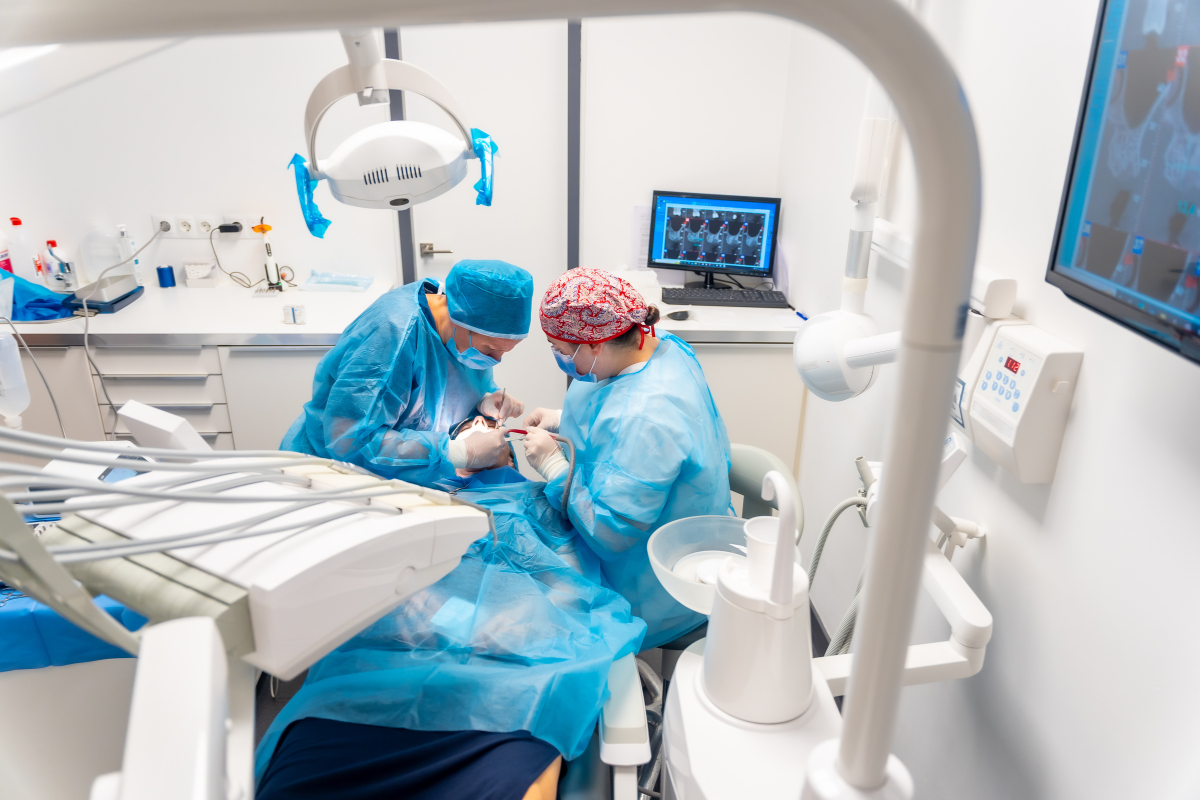
For many people, orthodontic treatment means straightening teeth with braces or aligners. But what happens when the issue goes deeper—when the jaw itself is misaligned?
In such cases, traditional orthodontics alone may not be enough. That’s where surgical orthodontics comes in. This advanced treatment combines orthodontic care with corrective jaw surgery to improve both function and appearance.
Understanding how this process works can help you feel more confident if you or your child has been recommended for this type of care.
What Is Surgical Orthodontics?
Surgical orthodontics, also known as orthognathic surgery, is a specialized treatment designed to correct severe jaw irregularities.
It involves a coordinated approach between an orthodontist and an oral surgeon. While braces or aligners help move the teeth into position, surgery corrects the alignment of the jaw itself.
This combination ensures that both the bite and facial structure are properly balanced.
When Is Surgical Orthodontics Needed?
Not all orthodontic issues require surgery. However, surgical orthodontics may be recommended when there are significant structural concerns, such as:
- Difficulty chewing or biting
- Speech challenges
- Chronic jaw pain or discomfort
- Severe overbite, underbite, or open bite
- Facial asymmetry
- Breathing issues related to jaw positioning
These problems often cannot be fully corrected with braces alone.
Why It Matters: Beyond Aesthetics
While many people think of orthodontics as cosmetic, surgical orthodontics goes far beyond appearance.
Correcting jaw alignment can:
- Improve how your teeth function.
- Reduce strain on jaw muscles.
- Enhance speech clarity
- Support better breathing patterns.
- Boost overall confidence
In other words, it’s not just about how your smile looks—it’s about how it works.
What Happens If You Delay Treatment?
Ignoring severe jaw misalignment can lead to long-term complications, including:
- Increased tooth wear
- Jaw joint disorders (TMJ issues)
- Chronic headaches or facial pain
- Difficulty eating certain foods
- Worsening bite problems over time
Early evaluation and proper planning can prevent these issues from becoming more complex.
The Surgical Orthodontic Treatment Process
- Initial Consultation and Planning
Your orthodontist will evaluate your teeth, jaw alignment, and facial structure. Advanced imaging and digital scans are often used to create a detailed treatment plan.
- Pre-Surgical Orthodontics
Braces or aligners are typically placed before surgery to move the teeth into their ideal positions. This stage can last several months to over a year, depending on the case.
- Jaw Surgery Procedure
The oral surgeon repositions the jaw to improve alignment. This is done in a hospital setting under anesthesia.
The procedure is carefully planned to ensure both functional and aesthetic improvements.
- Healing and Recovery
Recovery varies for each patient, but most people can return to normal routines within a few weeks. Swelling and mild discomfort are common but manageable.
- Post-Surgical Orthodontics
After healing, orthodontic treatment continues to fine-tune the bite and ensure long-term stability.
Benefits of Surgical Orthodontics
Patients who undergo surgical orthodontics often experience:
- Improved bite function
- Better facial balance and symmetry
- Reduced discomfort in the jaw
- Enhanced ability to eat and speak
- Long-term oral health improvements
For many, the transformation is both functional and life-changing.
Is Surgical Orthodontics Right for You?
Every case is different. The best way to determine if surgical orthodontics is necessary is through a professional evaluation.
A personalized treatment plan ensures that your specific concerns are addressed with the right approach.
Choosing the Right Care Team
Because surgical orthodontics involves multiple specialists, choosing an experienced and coordinated team is essential.
Look for providers who:
- Work closely with oral surgeons.
- Use advanced diagnostic technology.
- Focus on both function and aesthetics.
- Provide clear guidance throughout the process.
Having the right support system can make your treatment journey smoother and more predictable.
Considering Your Next Step
If you or your child has been advised to consider surgical orthodontics, it’s important to explore all available options and understand the process fully.
While this guide is designed to give you a clear overview, personalized care and detailed planning are key to achieving the best results. Every smile is different, and treatment should always reflect individual needs.
For those looking into comprehensive orthodontic solutions, some practices specialize in managing complex cases through a coordinated approach. For example, Central Park West Orthodontics offers advanced care for patients who may require a combination of orthodontic treatment and surgical planning.
Taking the time to consult with the right team can help ensure a smoother experience and long-lasting results.
Conclusion
Surgical orthodontics is more than just a treatment—it’s a pathway to improved function, comfort, and confidence.
With the right plan and the right team, even complex dental and jaw concerns can be successfully addressed. If you’ve been considering this option, taking the first step toward a professional consultation can bring clarity and peace of mind.
Medical Disclaimer – This content is for informational purposes only and does not replace professional medical or dental advice, diagnosis, or treatment. Always consult with a qualified dental professional or specialist regarding your specific condition.