440 West End Avenue, Suite 1C New York, NY 10024


Most parents know their child will eventually lose their baby teeth. So it’s easy to wonder, do they really matter that much? The answer is yes.
Baby teeth are not just placeholders. They shape how your child eats, speaks, and smiles for years. They also play a direct role in your child’s overall growth and confidence. Ignoring them can set off a chain of problems that follows your child well into adolescence.
If you want to contact a trusted dentist for your child’s first visit, now is the right time, especially before any small issues become bigger ones.
That’s where West End Avenue Pediatric Dentistry comes in. Located in the heart of the Upper West Side, this practice has served families across New York for decades. Dr. Peracchia and his team take children’s dental health seriously, from the very first tooth.
Meet Dr. Robert Peracchia
Dr. Robert Peracchia is a board-certified pediatric dentist and a Diplomate of the American Board of Pediatric Dentistry. He has provided pediatric dental care since 1998. He completed advanced training at the University of Washington and Lutheran Medical Center in Brooklyn, New York. He also holds a faculty position at Columbia University’s School of Dental Medicine and an attending role at NYU College of Dentistry’s Global Student Outreach Program.
His commitment to pediatric dentistry in New York is backed by ongoing education in the latest dental techniques, materials, and technology. Schedule your child’s first visit today.
Why Baby Teeth Are More Important Than You Think
They Guide Permanent Teeth Into Place
Baby teeth act as natural guides for adult teeth. When a baby tooth is lost too early due to decay or injury, the neighboring teeth can drift and fill the space. This leaves little room for the permanent tooth coming in behind it.
The result is crooked teeth, crowding, and often the need for orthodontic treatment later on.
A pediatric dentist can catch these issues early and recommend space maintainers or other solutions before the problem grows.
They Support Proper Speech Development
Children learn to speak by shaping words with their teeth and tongue. Baby teeth help your child form sounds clearly, especially letters like “s,” “th,” “f,” and “v.”
Missing or damaged front teeth can make it harder for young children to speak correctly. Early speech delays linked to dental issues are more common than most parents realize.
They Make It Possible to Eat Well
Strong baby teeth allow children to chew food properly. Good chewing is the first step in digestion, and it directly affects how well your child absorbs nutrients.
A child with tooth pain avoids certain foods. Over time, a limited diet can affect growth and nutrition. Healthy teeth mean your child can eat a well-rounded diet without discomfort.
They Protect Your Child’s Confidence
A child with dental pain or visible tooth decay often pulls back socially. They may avoid smiling, stop talking freely, or feel self-conscious around other kids.
Taking care of baby teeth protects more than just their mouth; it also protects their confidence and social development.
Tooth Decay in Children: A Real and Common Problem
Tooth decay is the most common chronic disease in American children. It affects children at every income level, in every neighborhood, including right here in New York. And despite the fact that it is almost entirely preventable, many children still go untreated.
Here are some signs your child may have a cavity or early gum disease:
- White or brown spots on the teeth
- Complaints of tooth sensitivity to cold, heat, or sweets
- Visible holes or pits in the teeth
- Swollen or bleeding gums
- Bad breath that does not go away
If you notice any of these signs, contact a reliable kids’ dentist right away. Early treatment is always simpler, faster, and less stressful for your child than waiting for the problem to worsen.
When Should Your Child First See a Pediatric Dentist?
The American Academy of Pediatric Dentistry recommends that children see a pediatric dentist by their first birthday or within six months of their first tooth coming in.
Many New York parents wait too long for that first visit. By the time visible decay appears, it may already require more involved treatment.
Starting early builds a pattern of good habits. Your child learns that the dentist is not a scary place. They grow up comfortable with regular checkups, cleanings, and preventive care.
What to Expect at a Pediatric Dental Visit
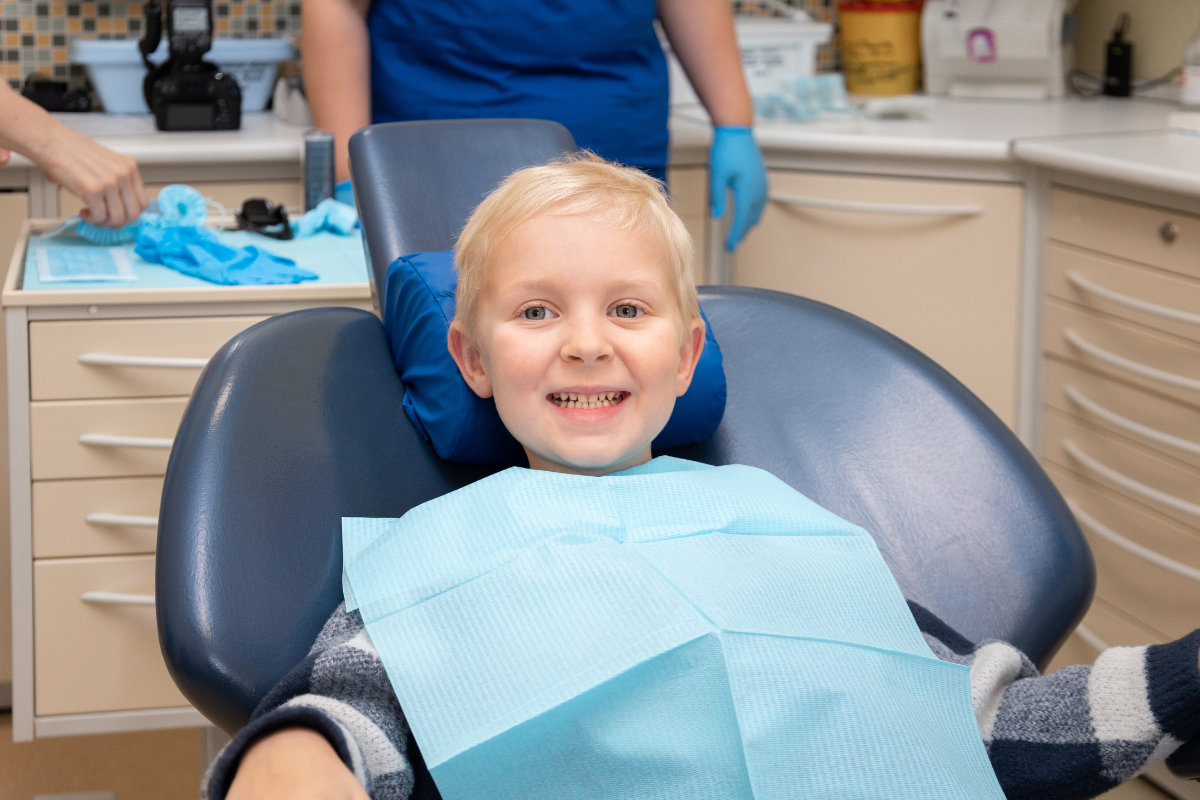
A visit to a pediatric dentist is different from a visit to a general dentist’s office. The environment, the approach, and the communication are all designed around children.
Here is what a typical visit looks like:
- Gentle examination of the teeth, gums, bite, and jaw development
- Professional cleaning to remove plaque and tartar
- Fluoride treatment to strengthen enamel
- X-rays (when appropriate) to check for hidden decay
- Guidance for parents on diet, brushing habits, and oral hygiene at home
It is a full picture of your child’s oral health, not just a quick look.
How to Keep Baby Teeth Healthy at Home
Good dental habits start at home. Here are simple steps every parent can follow:
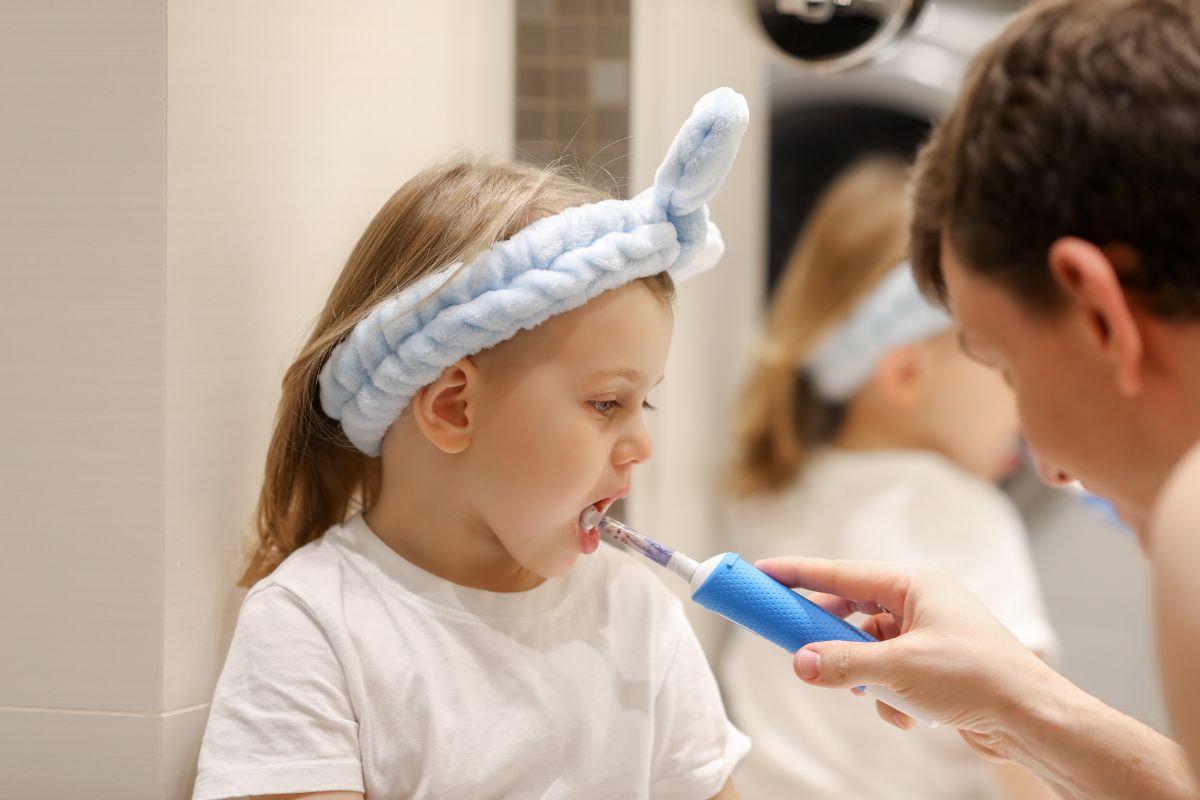
- Wipe your newborn’s gums with a clean, damp cloth after feedings.
- Begin brushing as soon as the first tooth appears, using a rice-sized amount of fluoride toothpaste.
- Move to a pea-sized amount of toothpaste at age three.
- Start flossing when two teeth touch each other.
- Limit sugary drinks, including juice and milk, at bedtime.
These habits, combined with regular checkups with the best pediatric dentist in NYC for toddlers, give your child the strongest foundation possible.
The Connection Between Oral Health and Overall Health
Dental health is not separate from your child’s overall health. Untreated infections in the mouth can spread. Chronic dental pain affects sleep, concentration in school, and daily behavior.
Research consistently shows that children with untreated tooth decay miss more school days and perform lower academically than their peers. Their ability to focus and participate drops simply because of a dental problem that could have been treated early.
Choosing the best pediatric dentist in NYC for toddlers means you are investing in your child’s full well-being, not just their smile.
Ready to Give Your Child a Healthy Start?
If you are a parent in New York searching for compassionate and experienced pediatric dental care near Manhattan Valley or Morningside Heights, West End Avenue Pediatric Dentistry is here to help your child build a healthy foundation for life. With decades of experience caring for children of all ages, Dr. Peracchia and his team are committed to creating positive dental experiences in a welcoming, child-friendly environment.
Do not wait for a toothache or dental emergency to take action. Early preventive care helps children maintain healthier smiles, avoid future dental problems, and feel more confident during every stage of development.
Conveniently located on the Upper West Side, our pediatric dental office proudly serves families from Manhattan Valley, Morningside Heights, and nearby New York neighborhoods. Schedule your child’s appointment today and give them the expert dental care they deserve.
Frequently Asked Questions (FAQs)
- When Should My Child Have Their First Dental Visit?
Most dental health organizations recommend a child’s first dental visit by their first birthday. Getting an early start helps establish good habits and allows the dentist to catch any concerns right away.
- Can Baby Teeth Really Cause Problems If They Decay?
Yes. Decayed baby teeth can lead to pain, infection, and early tooth loss. Early tooth loss disrupts the spacing for permanent teeth and can create alignment problems down the road.
- What Is The Best Toothpaste For A Toddler?
A fluoride toothpaste is recommended for children from the moment their first tooth appears. Use a tiny rice-sized amount until age three, then move to a pea-sized amount. Ask your dentist which brand works well for your child’s needs.
- How Often Should A Child See A Pediatric Dentist?
Children should see a pediatric dentist every six months for a routine checkup and cleaning. Some children with a higher cavity risk may need to come in more frequently.
- Is It Normal For Toddlers To Get Cavities?
Unfortunately, cavities in toddlers are very common. Diet, bottle habits, and inconsistent brushing all play a role. The best thing is that early treatment is straightforward and prevents the issue from getting worse.
- What Causes Gum Disease In Children?
Gum disease in children is often caused by plaque buildup from poor brushing and flossing habits. If left untreated, it can lead to gum inflammation and bleeding, and eventually affect the bone that supports the teeth.
- Are Dental X-Rays Safe For Young Children?
Yes. Dental X-rays for children are taken with very low radiation levels and are an important tool for detecting decay between teeth that cannot be seen during a visual exam. Your dentist will recommend X-rays only when they are clinically appropriate.
- My Child Is Scared Of The Dentist. What Should I Do?
This is very common. A practice focused on pediatric care is designed to make children feel comfortable and calm. Starting visits early, before any problems appear, helps your child build a positive relationship with dental care.
- Can Poor Oral Health Affect My Child’s School Performance?
Yes. Dental pain and untreated infections can cause missed school days and make it hard for children to concentrate. Keeping teeth healthy is one of the most direct ways to support your child’s ability to learn and thrive.