440 West End Avenue, Suite 1C New York, NY 10024


Summary – This blog outlines how parents should respond when a child chips a tooth, emphasizing calm, immediate action, and proper at-home care. It explains common causes such as falls, sports injuries, and habits, and provides practical steps to manage the situation before professional evaluation. The blog also highlights the role of a pediatric dental professional in assessing damage, ensuring comfort, and supporting the child’s long-term oral health.
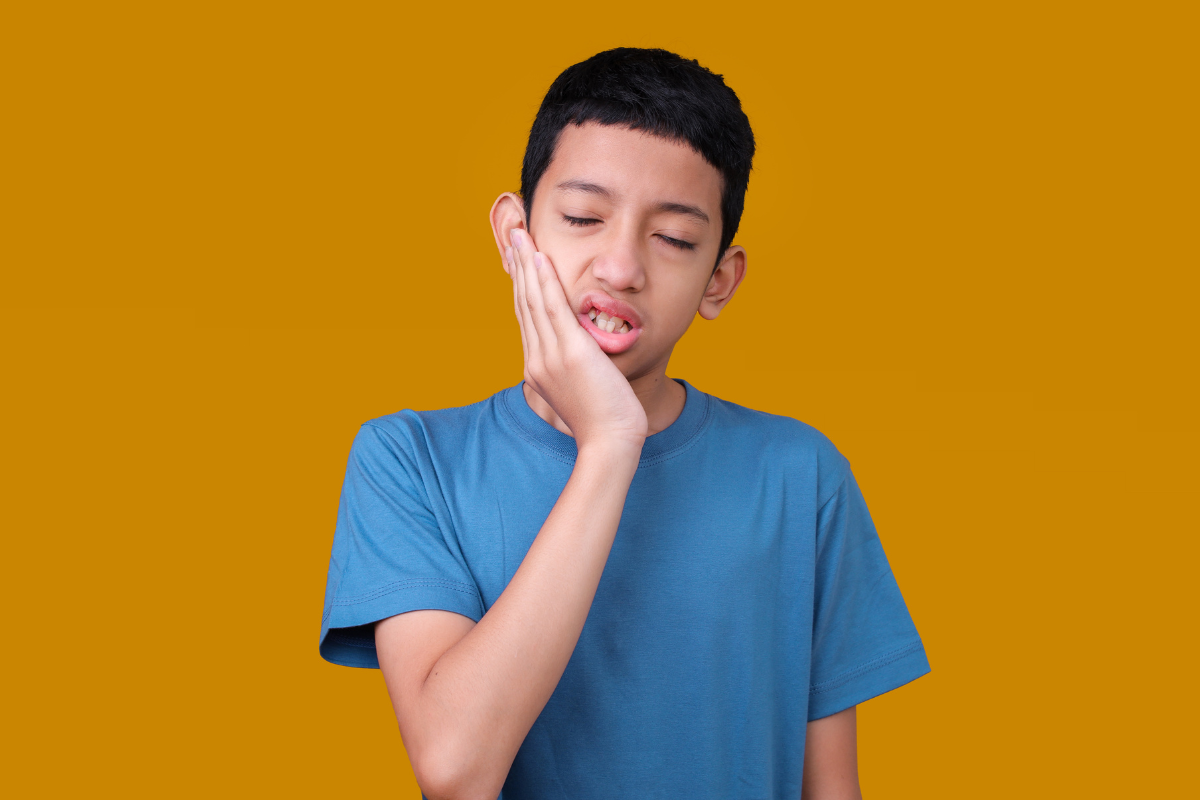
If your child has chipped a tooth, it can be a stressful experience for any parent. You might feel overwhelmed, wondering if it’s an emergency, whether the tooth can be saved, or how to manage the situation until you see the dentist. Chipped teeth are quite common in children and often result from accidents during play, sports, or even biting into hard foods. Understanding how to react when this happens can help ensure your child’s smile remains healthy and intact.
Chipped teeth in children may seem alarming, but with the right steps, the situation can be managed effectively until professional treatment is available. Dr. Robert Peracchia at Dr. Robert Peracchia, DDS. Central Park West Pediatric Dentistry is here to guide you on best practices for addressing chipped teeth and to provide gentle, expert care for your little one.
Meet Dr. Robert Peracchia:

He is a compassionate and dedicated pediatric dentist who believes in offering the best care for children. With years of experience, Dr. Peracchia has earned a reputation for creating a friendly, comfortable environment where children feel at ease during their dental visits. His commitment to dental health and patient comfort makes him a trusted choice for parents in New York.
If your child has chipped a tooth, schedule an appointment today and let us provide the expert care your child deserves.
Reasons for Chipped Teeth in Children:
Chipped teeth are a common dental issue among children and can occur for various reasons. Understanding the causes behind this problem can help prevent future incidents and ensure timely treatment.
- Accidental Falls: Children are naturally active, often running, jumping, or playing games. A sudden fall or bump against furniture or another child can easily result in a chipped tooth.
- Sports Injuries: Activities like soccer, basketball, or biking often come with a risk of dental trauma. A direct hit to the mouth can result in a chipped tooth, especially if your child isn’t wearing a mouthguard.
- Biting Hard Objects: Sometimes, children unknowingly chip a tooth by biting down on hard foods or objects, such as ice, popcorn kernels, or even toys.
- Tooth Decay: Weak or decayed teeth are more vulnerable to chipping, as the enamel can become brittle over time. A cavity left untreated may cause a tooth to fracture easily with little force.
- Nail Biting or Other Habits: Some children develop habits like nail-biting or chewing on pens, which can place unnecessary pressure on the teeth, leading to chips or fractures.
What to Do Immediately After Your Child Chips a Tooth:
When your child experiences a chipped tooth, staying calm and following the right steps can help ensure the best outcome. Here’s what you should do:
- Assess the Damage: Carefully check the tooth to see how severe the chip is. If it’s a small chip with no pain, it might just need cosmetic treatment. However, if your child is in pain, the chip is large, or the tooth is loose, it’s best to see a kids dentist in New York City as soon as possible.
- Rinse and Clean: If there’s any bleeding, rinse your child’s mouth gently with warm water. Avoid using alcohol or harsh mouthwashes, as they can irritate the affected area. You can also apply a cold compress to reduce swelling and discomfort.
- Preserve the Tooth Fragment: If the chip is large and there’s a piece of the tooth that’s come off, try to find the fragment. Place it in a clean container with a little bit of milk or saltwater to preserve it. In some cases, the dental practitioner may be able to reattach the fragment.
- Apply a Temporary Covering: If the tooth is jagged and sharp, you can use sugar-free gum or dental wax to cover the sharp edges. This will prevent your child from accidentally injuring their gums or tongue.
- Manage Pain: If your child is in pain, you can give them an over-the-counter pain reliever according to the instructions. Avoid giving aspirin, as it may cause excessive bleeding if there’s any injury.
- Contact the Professional: The most important step is to schedule an appointment with a New York pediatric dentist as soon as possible. The professional will assess the damage and decide on the best course of action to restore your child’s tooth.
As one happy parent shared—
They were amazing with my two year old. They made her feel totally comfortable, she didn’t cry or resist at all. I loved the team, they were so welcoming and had great advice. I highly recommend! – J.Zamore
We invite you to read our Google reviews and hear directly from patients who have trusted us with their smiles.
How the Pediatric Dentist Can Help:
When you visit a pediatric dental office, the focus is on understanding the extent of the injury and protecting your child’s comfort and long-term oral health. The dental professional will carefully examine the affected tooth, assess any underlying damage, and check how the injury may impact surrounding teeth or soft tissues.
Beyond the initial evaluation, they will guide you on the next steps in a way that feels clear and manageable. This may include monitoring how the tooth responds over time, ensuring your child can eat and speak comfortably, and watching for any signs of sensitivity or changes. The goal is to support proper healing while keeping your child at ease throughout the process.
Take the Next Step Toward Your Child’s Oral Health
A chipped tooth can feel overwhelming for both parents and children, but quick action and professional dental care can help prevent further complications and restore your child’s healthy smile. Whether the injury happens during sports, playtime, or an accidental fall, knowing what to do immediately can make a significant difference in your child’s comfort and long-term oral health.
At West End Avenue Pediatric Dentistry, families throughout Morningside Heights and Riverside Drive trust our caring team for gentle, child-focused dental care in a welcoming environment. We are committed to helping children feel calm, comfortable, and confident during every dental visit.
If your child has chipped a tooth or experienced a dental injury, contact our office today to schedule an appointment and get fast, compassionate pediatric dental care for your child’s smile.
FAQs:
1. What should I do if my child chips a tooth?
Assess the chip, rinse the mouth with warm water, apply a cold compress, and visit a pediatric dentist as soon as possible.
2. Can a chipped tooth heal on its own?
A chipped tooth cannot heal on its own, but a dentist can restore it using bonding, fillings, or crowns.
3. How serious is a chipped tooth in a child?
It depends on the severity of the chip. Minor chips may be cosmetic, but significant chips may cause pain or affect the tooth’s function.
4. What can be done for a chipped baby tooth?
Treatment may involve smoothing the tooth, dental bonding, or monitoring the tooth. In some cases, a baby tooth may need to be removed.
5. Is it necessary to see a dentist for a chipped tooth?
Yes, it’s important to have a dentist evaluate the damage and provide treatment to prevent further issues and restore the tooth.
6. Will a chipped tooth cause long-term damage?
If untreated, a chipped tooth could lead to infection or further decay. It’s essential to address the issue promptly with professional care.
7. How can I prevent my child from chipping their teeth again?
Encourage your child to wear a mouthguard during sports, avoid chewing on hard objects, and teach them good oral hygiene practices.
8. Can a chipped tooth affect my child’s permanent teeth?
If the chip is severe, it can affect the underlying structure of the tooth, potentially impacting the development of permanent teeth. Visit a dentist for evaluation.