440 West End Avenue, Suite 1C New York, NY 10024


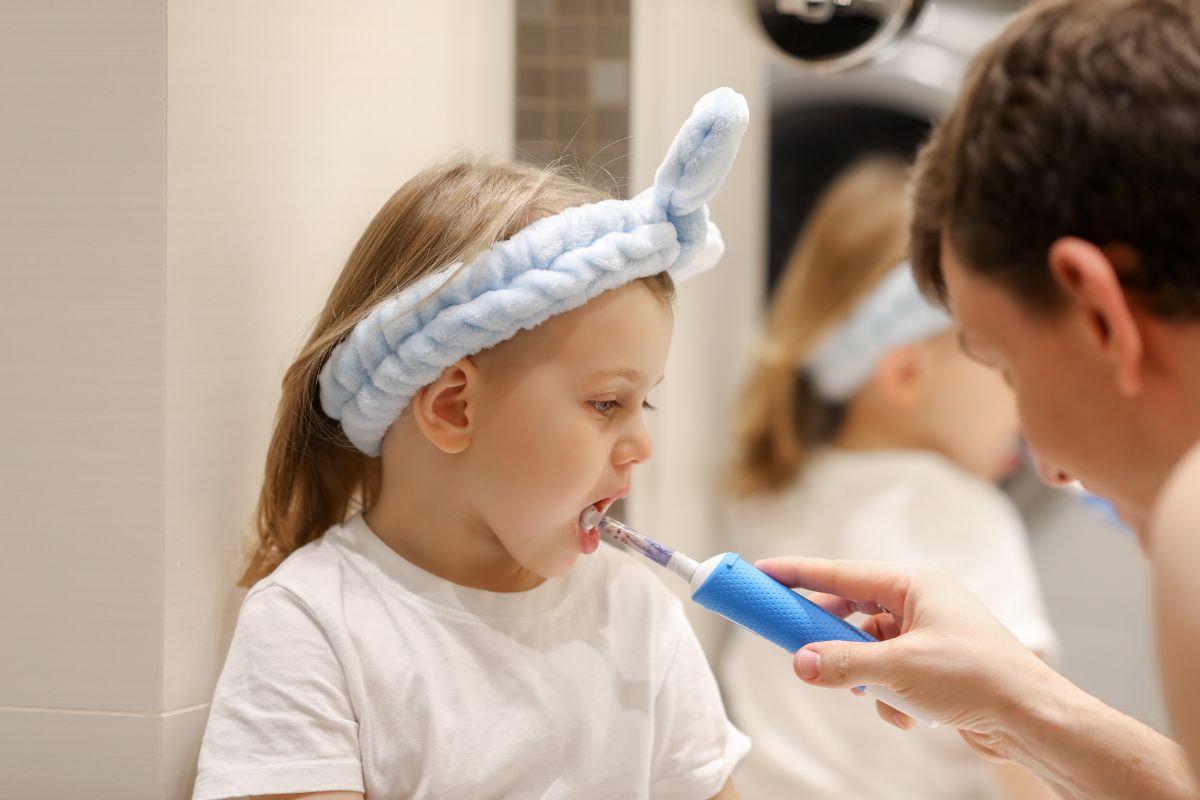
For many parents, toothbrushing can feel like a twice-daily negotiation. Children may resist because they are tired, distracted, sensitive to toothpaste flavors, or eager to return to play. Turning brushing into a positive activity can reduce conflict and help healthy habits become automatic.
At West End Avenue Pediatric Dentistry, board-certified pediatric dentist Dr. Peracchia helps families make oral hygiene easier and more comfortable. If you are looking for a trusted pediatric dentist in New York, learning a few playful strategies can make mornings smoother and bedtime less stressful.
Children should brush twice daily for two minutes with fluoride toothpaste. The American Academy of Pediatric Dentistry recommends a rice-grain-sized smear for children younger than 3 and a pea-sized amount for ages 3 to 6. Young children also need adult assistance because they may not yet have the coordination to clean every tooth properly.
Why Do Some Children Resist Toothbrushing?
A child may refuse to brush for several reasons:
- The toothbrush feels uncomfortable.
- The toothpaste flavor seems too strong.
- Brushing interrupts an enjoyable activity.
- The child wants greater independence.
- Sore gums, cavities, or mouth ulcers make brushing painful.
- The routine feels repetitive or rushed.
Understanding the reason behind the resistance helps parents choose a suitable solution. Pressure or punishment may make brushing feel more unpleasant. Calm repetition, encouragement, and age-appropriate choices usually create a more positive experience.
10 Fun Ways to Encourage Kids to Brush Their Teeth
- Let Your Child Select the Toothbrush
Allow your child to choose a soft-bristled toothbrush in a favorite color or character design. A brush that feels personal can build excitement and give the child a sense of control. Make sure the brush head fits comfortably inside the mouth.
- Use a Two-Minute Brushing Song
Play a favorite two-minute song whenever it is time to brush. The music makes time pass quickly and tells children exactly when they are finished. You can also create a family brushing playlist so the routine does not become repetitive.
- Introduce a Visual Brushing Timer
A colorful sand timer, light-up timer, or child-friendly brushing app can turn two minutes into an achievable challenge. The American Dental Association notes that timers, music, and smartphone apps may help people reach the recommended brushing duration.
- Create a Weekly Reward Chart
Place a sticker on a chart after every morning and evening brushing session. Once your child fills the chart, offer a nonfood reward, such as choosing a family game, visiting a playground, or selecting the bedtime story. Celebrate consistency rather than perfect brushing.
- Brush Together as a Family
Children often copy what they see. Stand beside your child and brush your teeth at the same time. Show slow, gentle movements and explain how you clean the front, back, and chewing surfaces. Family brushing makes oral hygiene feel normal rather than like a chore.
- Let a Toy Join the Routine
Invite a favorite doll, action figure, or stuffed animal into the bathroom. Your child can pretend to brush the toy’s teeth before brushing their own. This role-playing activity can help young children understand what happens during regular pediatric dental care.
- Turn Brushing Into a Tooth-Rescue Mission
Pretend that plaque is a group of “sugar bugs” hiding around the teeth. Ask your child to find and remove them with the toothbrush. Encourage gentle circles along the gumline and attention to the back molars, where food and plaque often collect.
- Offer Limited Choices
Ask, “Would you like the blue toothbrush or the green one?” or “Should we brush before or after the bedtime story?” Limited choices support independence without making brushing optional. Parents should continue to supervise and assist until the child has reliable brushing skills.
- Use Positive, Specific Praise
Replace general comments with specific encouragement. Say, “You remembered your back teeth,” or “You brushed gently along your gums.” This shows children exactly what they did correctly and encourages them to repeat the behavior.
- Arrange Positive Dental Visits
Routine visits can reinforce lessons on brushing, using fluoride toothpaste, flossing, and preventing cavities. A practice focused on pediatric dentistry in NYC can also identify discomfort, tooth decay, or sensory concerns that may be contributing to resistance.
If brushing remains difficult, visit our dental office for practical guidance based on your child’s age and oral health. Consistent pediatric dental care can help parents address brushing issues before they lead to cavities or gum irritation.
How Can Parents Make Brushing More Effective?
Fun should support proper technique, not replace it. Use a soft-bristled brush and clean every surface for two minutes, twice daily. Help children angle the brush toward the gumline and use gentle, short strokes. The CDC recommends watching children younger than 6 brush their teeth, ensuring they use a pea-sized amount of fluoride toothpaste and spit it out.
Parents should take over briefly if areas are being missed. Children can begin independently, then have an adult “check and finish.” Replace toothbrushes every three to four months, or sooner when bristles become frayed.
Build Healthier Brushing Habits on Manhattan’s Upper West Side
Small changes can transform brushing from a daily struggle into a predictable family routine. Songs, choices, games, praise, and regular dental visits can help children develop habits that protect their teeth as they grow.
Conveniently located on the Upper West Side of Manhattan, West End Avenue Pediatric Dentistry is a trusted choice for families throughout Manhattan Valley, Morningside Heights, and the Riverside Drive corridor. Contact our pediatric dentist in New York to book an appointment and give your child encouraging, age-appropriate pediatric dental care.
Frequently Asked Questions
- How long should children brush their teeth?
Children should brush for two minutes in the morning and again before bed. A song, a timer, or a brushing app can help them complete the full duration. If your child repeatedly stops early, a dental visit can provide hands-on brushing guidance.
- What should I do if my child refuses to brush?
Stay calm and offer two acceptable choices, such as selecting the toothbrush or brushing song. Avoid turning the routine into a punishment. Persistent refusal, especially when accompanied by pain, may require a dental examination.
- When can children brush without help?
Children develop coordination at different rates and may need help beyond their preschool years. Parents should monitor technique and finish any missed areas. A dentist can assess whether a child is ready to brush independently.
- Can children use fluoride toothpaste?
Yes. Use only a rice-grain-sized smear for children younger than 3 and a pea-sized amount for ages 3 to 6. Children should spit out the toothpaste, and parents should prevent them from swallowing it.
- Why does my child say brushing hurts?
Pain may result from aggressive brushing, irritated gums, a mouth sore, loose teeth, or tooth decay. Use gentle pressure, but do not ignore recurring discomfort. Arrange an examination promptly if pain, swelling, bleeding, or sensitivity continues.
- What if my child has sudden tooth pain while brushing?
Stop and inspect the mouth for swelling, bleeding, injury, or a damaged tooth. Do not place aspirin on the gums. Contact a dental office promptly, particularly if the child has facial swelling, fever, severe pain, or difficulty swallowing.