440 West End Avenue, Suite 1C New York, NY 10024


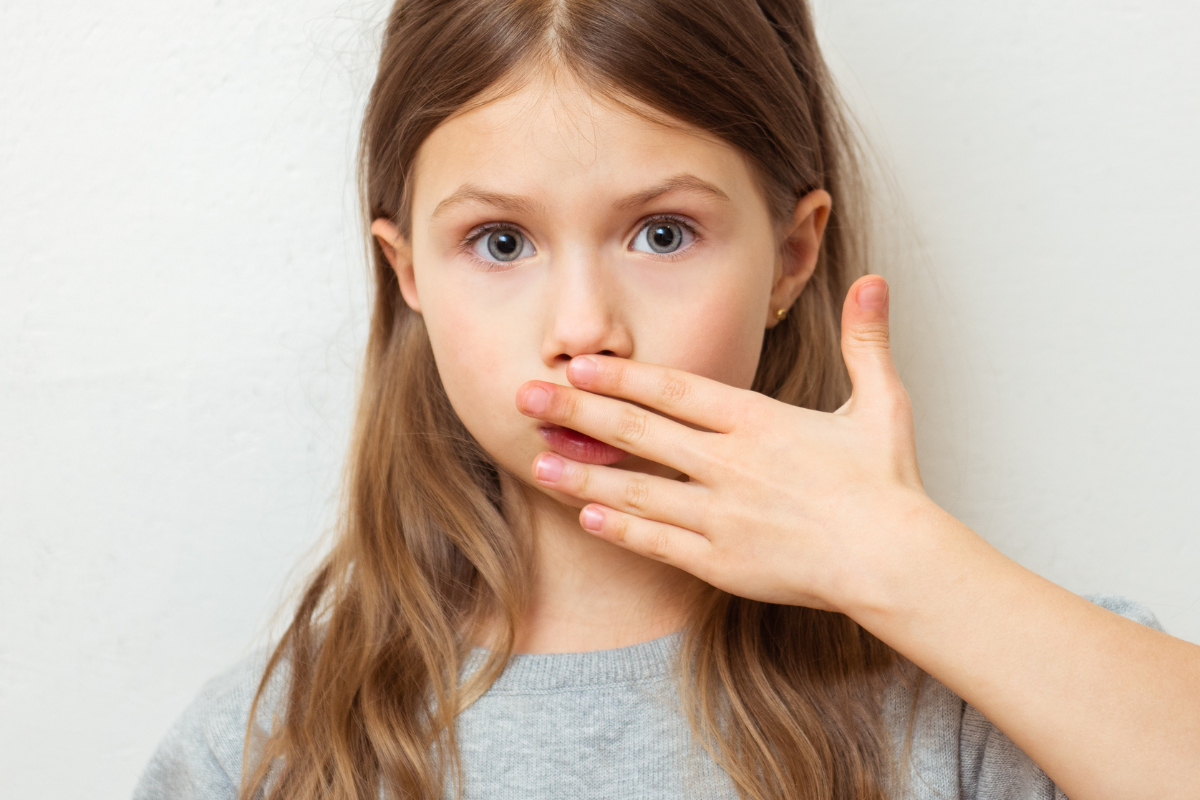
That sharp, wincing pain when you bite into your favorite meal is impossible to ignore, and it’s your tooth sending an urgent signal that something is wrong. Tooth pain triggered by biting or chewing is one of the most common dental complaints, yet it’s also one of the most misunderstood. The discomfort can range from a brief, electric zing to a deep, throbbing ache that lingers well after you’ve swallowed, and pinpointing why it’s happening is the critical first step to making it stop.
According to the National Institute of Dental and Craniofacial Research (NIDCR), dental pain affects millions of Americans each year and is among the leading reasons adults miss work and seek emergency care. What makes bite-specific pain particularly tricky is that the same symptom can stem from several entirely different causes, some minor, others requiring prompt clinical intervention.
At West End Avenue Pediatric Dentistry, our trusted pediatric dentist in NYC, Dr. Jeffrey Chung, and his team see patients with this exact complaint regularly, and the clinical insight behind this guide reflects the diagnostic approach used in our practice every day. If you’re experiencing tooth pain when you bite down, understanding these causes can help you make sense of your symptoms and act before a manageable issue becomes a serious one. Visit our dental office to get a personalized evaluation and pinpoint the exact source of your discomfort.
Common Reasons Your Teeth Hurt When You Bite Down
A Cracked Tooth
A cracked tooth is one of the most frequent and deceptive causes of bite-triggered pain. The crack may be microscopic, invisible on an X-ray, yet produce sharp pain the moment pressure is applied.
Unlike a cavity, which causes more generalized sensitivity, a cracked tooth produces a very specific, localized zing, often only when you bite in a certain direction or on a particular food. This happens because biting flexes the crack open slightly, irritating the inner pulp tissue and the nerves inside. The pain often disappears the instant you release the bite, which is a hallmark diagnostic clue. Cracks most commonly develop from grinding habits, chewing on hard items (ice, hard candy), old, large fillings that weaken tooth structure, or physical trauma.
Tooth Decay (Cavities) That Have Reached the Dentin
When a cavity progresses past the enamel and into the dentin, the softer, more porous layer beneath, pressure and temperature changes directly stimulate the tooth’s nerve fibers, causing pain with every bite.
Early-stage cavities confined to enamel are usually painless. Once decay breaks through into dentin, biting pressure is transmitted through thousands of tiny fluid-filled channels directly to the pulp nerve. At this stage, sensitivity to sweets, cold, and biting pressure often occurs together. Left untreated, the decay continues toward the pulp, escalating toward an abscess.
A Damaged, Loose, or Ill-Fitting Dental Restoration
A filling, crown, or inlay that sits even slightly too high alters your natural bite mechanics, and the resulting excess pressure on that one tooth causes significant pain when chewing.
This is more common than most people realize. Even a restoration that feels fine initially can shift subtly over time. A filling that has cracked or partially dislodged creates uneven stress distribution across the tooth. If your pain started shortly after a dental procedure, this is the first thing to investigate.
Gum Disease and Periodontal Infection
Advanced gum disease causes the supporting bone and ligaments around a tooth to deteriorate, making the tooth mobile and acutely sensitive to biting pressure, a condition often described as the tooth feeling “loose” or like it’s “hitting wrong.”
The periodontal ligament, a microscopic hammock of fibers that suspends each tooth in its socket, is densely packed with pressure receptors. When infection and inflammation attack this ligament, even gentle biting becomes painful. Many Magnolia residents who enjoy local culinary staples like smoked brisket or corn on the cob at area favorites find that tough or chewy textures suddenly become unbearable without realizing gum disease is the underlying driver.
Dental Abscess
A dental abscess, a pocket of bacterial infection at the root tip or in the gum tissue, creates intense, pressure-sensitive pain because inflammation builds up in an enclosed space with nowhere to go.
Abscesses are dental emergencies. The pain with an abscess is typically severe, constant, and throbbing, and biting down intensifies it dramatically. You may notice swelling in the jaw or gum, a bad taste, or facial tenderness. This is not a “wait and see” situation; untreated abscesses can spread to the surrounding bone and tissue.
Bruxism (Teeth Grinding and Clenching)
Chronic grinding and clenching , often occurring during sleep or periods of stress , fatigue the muscles of the jaw and overload the teeth, causing diffuse bite soreness and sensitivity that is often worse in the morning.
The muscles used for chewing are among the strongest in the body relative to their size. Hours of nighttime grinding place enormous cumulative stress on every tooth in the arch. Patients experiencing this often describe their teeth as feeling “tender all over” rather than pain localized to one spot. The jaw joints (TMJ) often ache as well. Custom nightguards made from precise dental impressions are the gold standard for protecting teeth from bruxism damage.
Sinus Pressure and Sinusitis
The roots of the upper back teeth sit in close anatomical proximity to the maxillary sinuses, so when those sinuses become inflamed or infected, the pressure can mimic a severe toothache and make biting feel excruciating.
This cause is frequently overlooked. If multiple upper teeth hurt simultaneously when you bite down, and you also have nasal congestion, facial pressure, or a recent cold, sinusitis may be the culprit rather than a dental problem. A reliable New York pediatric dental care provider can distinguish between these causes through clinical examination and imaging.
When Should You Stop Waiting?
There is no dental symptom that improves by being ignored. If your tooth has hurt for more than two to three days when biting, if the pain is waking you up at night, if you notice swelling, or if over-the-counter pain relief isn’t touching it , those are signs that professional evaluation is non-negotiable.
As a dentist in Magnolia serving the local community, West End Avenue Pediatric Dentistry understands that residents here take their health seriously. Whether you’ve been dealing with this pain after a night out at one of the beloved spots or noticed the discomfort while biting into a warm kolache from a local morning staple, the answer is the same: the sooner we identify the cause, the simpler and more conservative the solution.
Our clinical approach combines digital X-rays, cone-beam imaging when indicated, and precise bite analysis to identify the exact source of your pain, not guess at it.
Protecting Your Smile in Magnolia’s Climate
Magnolia’s warm, humid climate means residents spend considerable time outdoors, at Magnolia Market, on local trails, and at community events, often consuming a variety of foods and beverages throughout the day. Sugary sports drinks and acidic beverages, popular in warm weather, accelerate enamel erosion, increasing susceptibility to dentin sensitivity and cavities. Staying well-hydrated with water and maintaining your oral hygiene routine year-round make a meaningful difference in preventing the causes of bite pain listed above.
Choosing a pediatric dentist in New York who understands your lifestyle and local habits means you get care that is personalized, not generic.
Don’t Diagnose Yourself, Seek Professional Care Today!
Bite pain is your body’s way of telling you that something in your oral anatomy needs attention. The seven causes listed here share the same symptom, pain when biting, but require completely different treatments. Treating a cracked tooth the same way as sinus-related tooth pain isn’t just ineffective; it can make things worse.
Book an appointment with West End Avenue Pediatric Dentistry today. Our kids’ friendly dentist, Dr. Chung, will conduct a comprehensive diagnostic evaluation , examining your teeth, gums, bite alignment, and jaw function , to identify exactly what is causing your discomfort and provide a personalized treatment plan designed for your specific needs. Don’t let one painful bite become a bigger, more complex problem.
FAQs
Why does only one tooth hurt when I bite down?
Pain isolated to one tooth usually indicates a localized issue such as a crack, cavity, loose filling, or abscess in that specific tooth. A dental examination with X-rays can confirm the exact cause quickly.
Can a tooth hurt when biting without a cavity?
Yes. Cracked teeth, grinding habits, gum recession, a high filling, or an abscess can all cause bite pain without any visible or radiographic cavity being present. Clinical testing is essential for an accurate diagnosis.
Is it normal for a new filling to cause pain when biting?
Mild sensitivity after a new filling is normal and usually resolves within one to two weeks. If the pain is sharp, worsening, or persists beyond two weeks, the filling may be sitting too high and needs adjustment.
Why do my teeth hurt when I bite down in the morning?
Morning bite soreness, especially involving multiple teeth, is a classic indicator of nighttime bruxism (teeth grinding). The muscles and teeth are fatigued from hours of clenching during sleep, causing diffuse tenderness.
Can a sinus infection cause tooth pain when biting?
Yes, inflamed maxillary sinuses sit directly above the upper back teeth. Sinus pressure can radiate as toothache-like pain when biting, typically affecting several adjacent upper teeth simultaneously alongside nasal symptoms.
How long can I wait before seeing a dentist for bite pain?
You should not wait more than two to three days if pain is persistent or worsening. Signs of an abscess , swelling, fever, or constant throbbing require same-day or emergency dental evaluation as the infection can spread rapidly.
Can a cracked tooth heal on its own?
No. Unlike bone, tooth enamel and dentin cannot regenerate or self-repair. A cracked tooth will only worsen with time and chewing forces. Early treatment, from a bonded restoration to a crown, can save the tooth before the crack reaches the pulp.