440 West End Avenue, Suite 1C New York, NY 10024


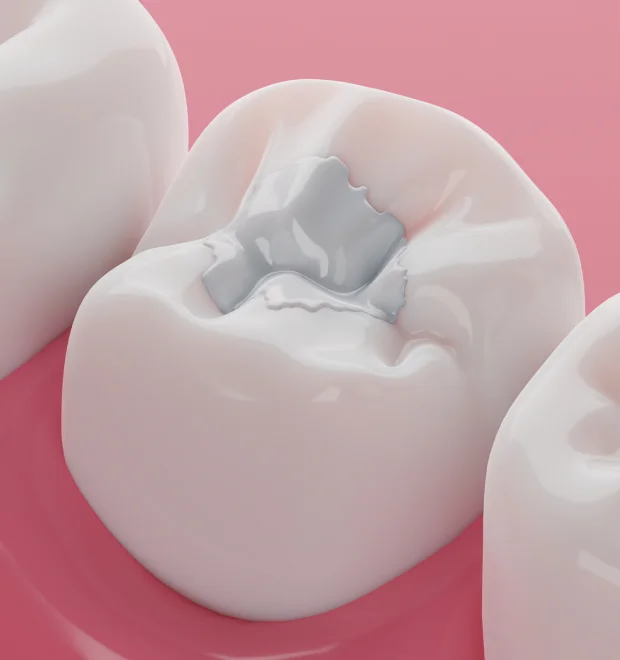
Restoring Your Tooth Without Compromising Your Smile
Composite fillings are made from a tooth-colored resin material that's shaped and bonded directly to your tooth after decay has been removed. Unlike older metal fillings, composite blends naturally with your surrounding teeth, so your treatment stays discreet while restoring full function to the affected tooth.
Beyond their appearance, composite fillings bond directly to your tooth structure, which can help preserve more of your natural tooth compared to older filling materials that required more aggressive shaping. The result is a durable, long-lasting repair that looks and feels like part of your natural smile.
Benefits of Composite Fillings
- Blends naturally with your tooth color for a discreet repair
- Bonds directly to the tooth, helping preserve more natural structure
- Free of mercury and other metals found in older filling materials
- Versatile enough to repair cavities, chips, and minor tooth damage
- Completed in a single visit, with no lab work required
How We Treat Your Cavity
Getting a composite filling is a quick, comfortable process.
1
Numbing the Area
Local anesthesia is applied to ensure you're completely comfortable during treatment.
2
Removing Decay
The decayed portion of the tooth is carefully removed, leaving healthy tooth structure intact.
3
Preparing the Tooth
The area is cleaned and prepared to help the composite material bond securely.
4
Applying the Composite
The tooth-colored resin is applied in layers and shaped to match your natural tooth contour.
5
Curing & Polishing
Each layer is hardened with a special light, then polished for a smooth, natural finish that blends with your bite.
Insurance & Financing for Composite Fillings
Composite fillings are typically covered, at least in part, by most dental insurance plans, since treating decay is considered a medically necessary procedure. We'll verify your benefits ahead of time and offer financing for any remaining cost.
Signs You May Need a Filling
You may need a composite filling if you're experiencing:
- Tooth sensitivity to hot, cold, or sweet foods
- Visible holes, pits, or dark spots on a tooth
- Pain when chewing or biting down
- A tooth that feels rough or has a noticeable chip
- A cavity identified during a routine exam or X-ray
Don't Let a Cavity Wait
Untreated cavities only grow larger and more costly to treat over time. Schedule your visit today to stop decay in its tracks.
Book Your Appointment
Frequently Asked Questions About Composite Fillings
How long do composite fillings last?
Composite fillings typically last between 5 and 10 years, depending on their location and your oral hygiene habits.Are composite fillings noticeable?
No, composite fillings are color-matched to your natural teeth, making them virtually unnoticeable when you smile or talk.Does getting a filling hurt?
We use local anesthesia to numb the area, so most patients experience little to no discomfort during the procedure.What's the difference between composite and amalgam fillings?
Composite fillings are tooth-colored and bond directly to the tooth, while amalgam (metal) fillings are silver in color and rely on mechanical retention rather than bonding.Can a composite filling fall out?
While uncommon, fillings can occasionally chip or wear down over time. Regular checkups help us catch and address any issues before they become bigger problems.Will I feel sensitivity after getting a filling?
Mild, temporary sensitivity to hot or cold is normal for a few days after treatment and typically resolves on its own.Can composite fillings replace old metal fillings?
Yes, many patients choose to have old metal fillings replaced with composite for a more natural appearance, though this is typically done when the old filling needs replacement anyway.How soon can I eat after getting a filling?
Since composite fillings harden immediately under a curing light, you can eat normally as soon as the numbness from the anesthesia wears off.