440 West End Avenue, Suite 1C New York, NY 10024


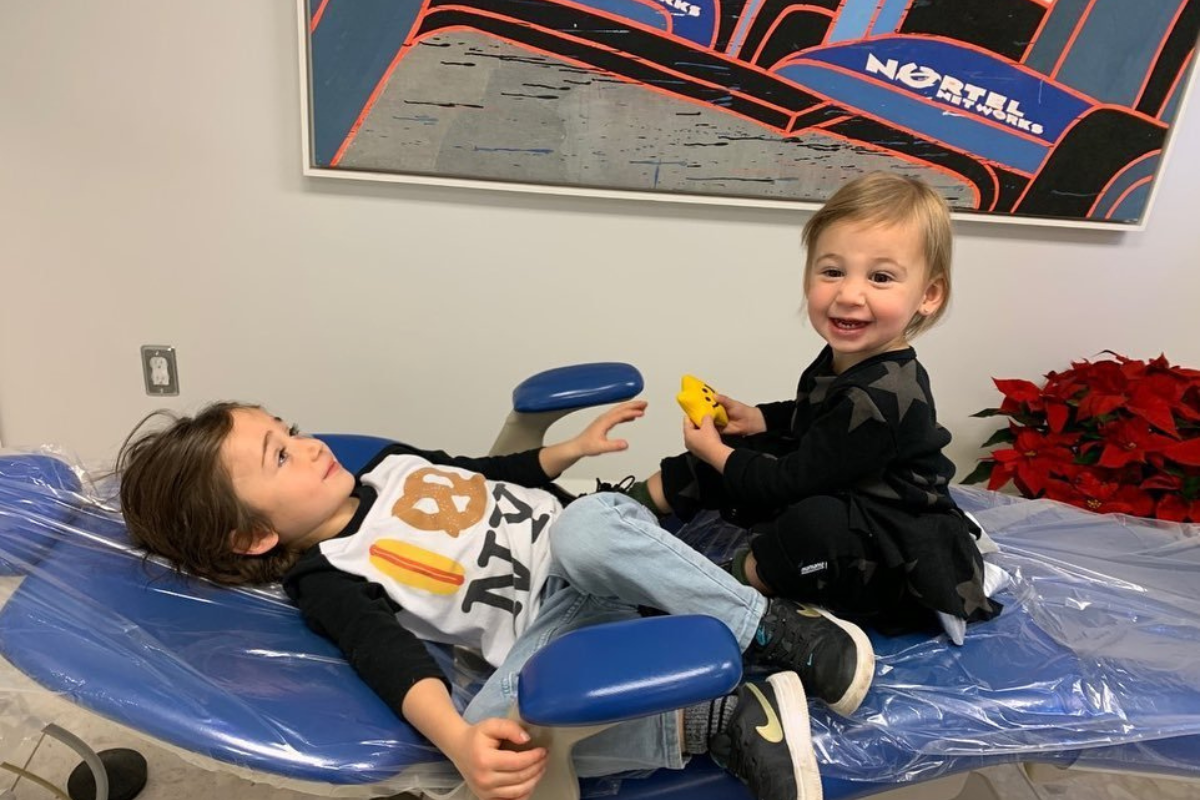
Have you ever wondered why children are encouraged to see a dentist who specializes in young patients? Many parents assume that children’s dental care is simply a smaller version of adult dentistry. In reality, children’s mouths grow rapidly, their oral health needs change with every stage of development, and their dental experiences can shape lifelong habits.
At West End Avenue Pediatric Dentistry, we understand that early dental care goes beyond checking for cavities. It supports healthy growth, encourages positive dental habits, and helps children feel comfortable during every visit.
If you are looking for a pediatric dentist in New York, understanding the value of age-appropriate dental care can help you make informed decisions about your child’s long-term oral health. In this guide, Dr. Peracchia explains why pediatric dental care plays such an important role in your child’s overall well-being.
Why Is Pediatric Dentistry Different From General Dental Care?
Pediatric dentistry focuses on the unique oral health needs of infants, children, adolescents, and individuals with developmental needs. Children’s teeth, gums, jaws, and oral habits change continuously as they grow, requiring care that evolves with each stage of development.
Unlike adults, children commonly experience:
- Erupting primary and permanent teeth
- Jaw and facial growth
- Thumb sucking or pacifier habits
- Early orthodontic concerns
- Higher cavity risk from developing brushing habits
- Dental anxiety during first appointments
A child-centered approach helps identify these concerns early while making dental visits positive and educational.
How Does Early Dental Care Benefit Your Child’s Overall Health?
Oral health is closely connected to a child’s overall health. Healthy teeth allow children to chew comfortably, speak clearly, sleep better, and maintain proper nutrition. When dental problems are left untreated, they may affect eating habits, concentration in school, and daily comfort.
Early dental visits also provide opportunities to monitor:
- Tooth development
- Jaw growth
- Bite alignment
- Gum health
- Oral hygiene habits
- Nutrition that supports healthy teeth
Many parents are surprised to learn that preventing problems is often much easier than treating them after they develop.
Why Are Baby Teeth So Important?
A common misconception is that baby teeth are temporary and therefore less important. In reality, primary teeth serve several essential purposes throughout childhood.
They Hold Space for Permanent Teeth
Baby teeth guide permanent teeth into their proper positions. Losing them too early may increase the risk of crowding or alignment issues later.
They Support Speech Development
Children learn to pronounce many sounds using their front teeth. Healthy teeth contribute to clearer speech during important developmental years.
They Help Children Eat Properly
Strong primary teeth allow children to chew a balanced diet, supporting healthy growth and nutrition.
They Protect Developing Permanent Teeth
Untreated cavities in baby teeth may affect the health of the permanent teeth developing beneath them.
Because of these important functions, protecting primary teeth should always remain a priority.
How Do Preventive Dental Visits Reduce Future Problems?
Many dental concerns develop gradually without causing pain during the early stages. Routine checkups allow dentists to identify small issues before they become more complicated.
Preventive visits commonly include:
- Comprehensive oral examinations
- Professional dental cleanings
- Fluoride applications
- Dental sealants when appropriate
- Growth and bite evaluations
- Oral hygiene education for parents and children
These appointments also help children become familiar with the dental environment, reducing anxiety during future visits.
When Should You Take Your Child to a Pediatric Dentist?
Many parents wait until their child complains about pain before scheduling a dental visit. However, many oral health conditions begin silently. Seeing a pediatric dentist in New York, NY, before problems become noticeable allows small concerns to be managed early and helps children become comfortable with routine dental care.
You should consider booking an appointment if your kid has:
- Their first tooth is approaching, or they are approaching their first birthday.
- Tooth sensitivity or persistent pain
- White or brown spots on the teeth
- Difficulty chewing
- Thumb-sucking habits that continue beyond the toddler years
- Teeth that appear crowded or erupting in unusual positions
- Dental injuries from sports or play
- Persistent bad breath despite regular brushing
Early evaluation often helps prevent more involved treatment later.
How Does a Child-Friendly Dental Environment Make a Difference?
Children experience dental visits differently from adults. New sounds, unfamiliar equipment, and uncertainty can create anxiety, especially during their first appointments.
A pediatric dental office is designed to make children feel comfortable while introducing dental care in a positive, age-appropriate way. The goal is to build trust gradually rather than rushing through treatment.
Simple approaches that often help include:
- Explaining procedures using child-friendly language
- Allowing children to become familiar with instruments before treatment
- Offering encouragement throughout the appointment
- Celebrating positive cooperation
- Giving parents guidance on supporting healthy dental habits at home
At West End Avenue Pediatric Dentistry, every visit is designed to help children build confidence in their dental care and create positive experiences they can carry into adulthood.
What Preventive Treatments Help Protect Children’s Teeth?
Preventive care involves much more than routine cleanings. As children grow, their risk factors change, and preventive treatments can be adjusted to match their individual needs.
Dental Sealants
Sealants are thin protective coatings placed on the chewing surfaces of molars. They help keep bacteria and food particles out of deep grooves where brushing may not reach effectively.
Fluoride Treatments
Professional fluoride applications strengthen enamel and reduce the risk of tooth decay, particularly for children who are more prone to cavities.
Growth and Bite Monitoring
Regular examinations allow dentists to monitor jaw development and tooth eruption. Detecting bite problems early may reduce the need for more extensive orthodontic treatment in the future.
Habit Counseling
Children often develop habits such as thumb sucking, prolonged pacifier use, or nail biting. These behaviors can influence tooth alignment and jaw development if they continue for an extended period. Guidance from a pediatric dentist in Manhattan Valley helps parents understand when intervention may be beneficial.
Can Pediatric Dentistry Help Prevent Dental Anxiety?
Yes, one of the greatest long-term benefits of pediatric dental care is helping children build a positive relationship with oral healthcare.
Children who attend regular preventive visits often become familiar with the dental office before they ever need restorative treatment. That familiarity reduces uncertainty and helps appointments feel routine rather than stressful.
Parents can also encourage positive experiences by:
- Speaking positively about dental visits
- Avoiding words that create unnecessary fear
- Reading children’s books about visiting the dentist
- Scheduling appointments when children are well-rested
- Keeping routine checkups consistent instead of waiting for emergencies
Positive early experiences often lead to better cooperation, healthier habits, and greater confidence in dental care throughout life.
How Does Pediatric Dentistry Support Lifelong Oral Health?
Healthy adult smiles often begin with healthy childhood habits. Regular dental visits teach children that caring for their teeth is part of everyday health, just like eating nutritious foods and staying physically active.
As children grow, routine care helps monitor changes in their teeth, gums, and jaw while reinforcing proper brushing, flossing, and dietary habits. Families who visit a pediatric dentist New York, NY, consistently are also more likely to recognize early signs of dental concerns before they become more complex.
Whether your child needs preventive care, cavity management, habit evaluation, or guidance as permanent teeth begin to erupt, consistent pediatric dentistry provides the foundation for healthy smiles that can last well into adulthood.
If it is time for your child’s next dental visit, we encourage you to book an appointment and establish healthy habits that can last a lifetime.
Give Your Child a Healthy Start with Pediatric Dental Care
Healthy smiles begin with consistent preventive care during childhood. From monitoring tooth development and preventing cavities to encouraging positive dental habits, pediatric dentistry plays a meaningful role in your child’s overall health and confidence. Regular visits allow potential concerns to be identified early while helping children become comfortable with routine dental care.
If your child is due for a dental checkup or you have questions about their oral development, West End Avenue Pediatric Dentistry is here to help. We invite you to visit our dental office and learn how our pediatric dentist in New York can support your child’s healthy smile through every stage of growth.
Frequently Asked Questions
- At what age should my child first visit a pediatric dentist?
The American Academy of Pediatric Dentistry recommends scheduling your child’s first dental visit by their first birthday or within six months after the first tooth appears. Early visits allow the dentist to monitor development, discuss feeding and oral hygiene habits, and identify potential concerns before they become larger problems.
- How often should children have dental checkups?
Most children benefit from dental examinations and professional cleanings every six months. Some children with a higher risk of cavities, orthodontic concerns, or certain medical conditions may benefit from more frequent visits. Your dentist will recommend a schedule based on your child’s individual oral health needs.
- What happens during a routine pediatric dental appointment?
A routine visit generally includes a complete oral examination, professional cleaning, evaluation of tooth and jaw development, cavity screening, and preventive treatments such as fluoride or sealants when appropriate. Parents also receive guidance on brushing, flossing, nutrition, and healthy habits to support their child’s oral health between visits.
- Why are preventive dental visits better than waiting for a problem?
Preventive appointments allow dental concerns to be identified before they become painful or require more extensive treatment. Regular examinations also help children become familiar with the dental office, making future visits less stressful while supporting healthy oral hygiene habits that continue as they grow.
- Can a pediatric dentist monitor orthodontic concerns before braces are needed?
Yes. Dentists routinely evaluate jaw growth, tooth eruption, bite alignment, and oral habits during regular visits. Identifying changes early allows parents to receive timely recommendations and, when appropriate, referrals for orthodontic evaluation before problems become more complex.