440 West End Avenue, Suite 1C New York, NY 10024



Many parents wonder when they should begin caring for their child’s teeth. The answer is much earlier than most people expect. Healthy oral habits begin before all baby teeth appear, and those first routines influence how a child’s smile develops over the years. At West End Avenue Pediatric Dentistry, families receive guidance that supports every stage of dental development, from infancy through adolescence. Dr. Robert Peracchia believes that preventive care and consistent home routines create the foundation for lifelong oral health.
Visiting a pediatric dentist in NYC early allows parents to learn age-appropriate hygiene techniques, recognize common concerns, and help children develop positive dental experiences from the beginning. These simple daily habits often reduce the risk of future dental problems while supporting healthy growth and confident smiles.
Why Does Early Oral Hygiene Matter for a Child’s Long-Term Smile?
Early oral hygiene protects developing teeth, supports healthy jaw growth, lowers the risk of tooth decay, and helps children establish habits that often continue into adulthood.
Baby teeth play a much larger role than many parents realize. They guide permanent teeth into position, help children chew comfortably, support speech development, and maintain space for adult teeth. When these teeth remain healthy, they contribute to proper oral development.
Poor oral hygiene during early childhood may lead to cavities, gum irritation, pain, and premature tooth loss. Even small cavities can interfere with eating, sleeping, and learning. Establishing healthy routines from infancy helps children avoid many preventable dental problems.
Families throughout Manhattan often find that children who become comfortable with dental visits early are more relaxed during future appointments. That confidence can make preventive care much easier throughout childhood.
When Should Parents Start Cleaning Their Child’s Mouth?
Oral hygiene begins before the first tooth erupts.
Many parents assume brushing starts after several teeth appear. In reality, oral hygiene begins in infancy.
- Before Teeth Erupt
Wipe your baby’s gums with a clean, damp cloth after feedings. This removes milk residue and helps babies become comfortable with oral care.
- After the First Tooth Appears
Once the first tooth erupts, use:
- A soft infant toothbrush
- A tiny smear of fluoride toothpaste (about the size of a grain of rice)
- Gentle circular motions twice daily
As more teeth erupt, continue brushing every morning and before bedtime.
Parents who establish these routines early often find that brushing becomes a normal part of their child’s daily routine rather than a struggle.
Families who visit a pediatric dentist in UWS during infancy also receive guidance on feeding habits, thumb sucking, pacifier use, and cavity prevention that supports healthy oral development.
How Do Early Dental Habits Influence Adult Oral Health?
Consistent childhood routines often become lifelong habits that protect permanent teeth.
Children learn by repetition. Daily brushing, healthy eating, and regular dental visits gradually become automatic behaviors.
Several healthy habits work together to support long-term oral health.
- Daily Brushing Builds Consistency
Brushing twice each day removes plaque before it causes damage. Children who practice proper brushing early generally become more confident brushing independently as they grow older.
- Healthy Food Choices Protect Developing Teeth
Frequent sugary snacks expose teeth to acids that increase the risk of cavities.
Parents can help protect young smiles by encouraging:
- Fresh fruits
- Vegetables
- Cheese
- Yogurt
- Water instead of sugary beverages
- Limiting sticky candies and frequent snacking
These choices support both oral health and overall wellness.
- Routine Dental Visits Reinforce Healthy Habits
Professional examinations allow dental teams to monitor growth, evaluate brushing techniques, and identify concerns before they become larger problems.
Many parents ask whether regular visits are necessary if their child has no pain. The answer is yes. Dental disease often develops silently, especially during its earliest stages. Preventive examinations help identify small concerns before they require more involved treatment.
What Common Mistakes Can Affect a Child’s Oral Health?
Many childhood dental problems develop from everyday habits that parents may not recognize.
Some of the most common include:
- Putting a child to bed with a bottle containing milk or juice.
- Allowing frequent sipping of sugary drinks throughout the day.
- Brushing too quickly or missing hard-to-reach areas.
- Allowing children to brush their teeth alone before they have sufficient hand coordination.
- Waiting until pain develops before scheduling a dental visit.
- Delaying the first dental appointment.
A family may feel everything looks normal because no cavities are visible. However, small areas of early decay, bite changes, or enamel concerns often cannot be detected without a professional examination.
Parents receive practical guidance that fits naturally into everyday family routines, making it easier to maintain preventive care at home.
What Happens During a Child’s Early Preventive Dental Visit?
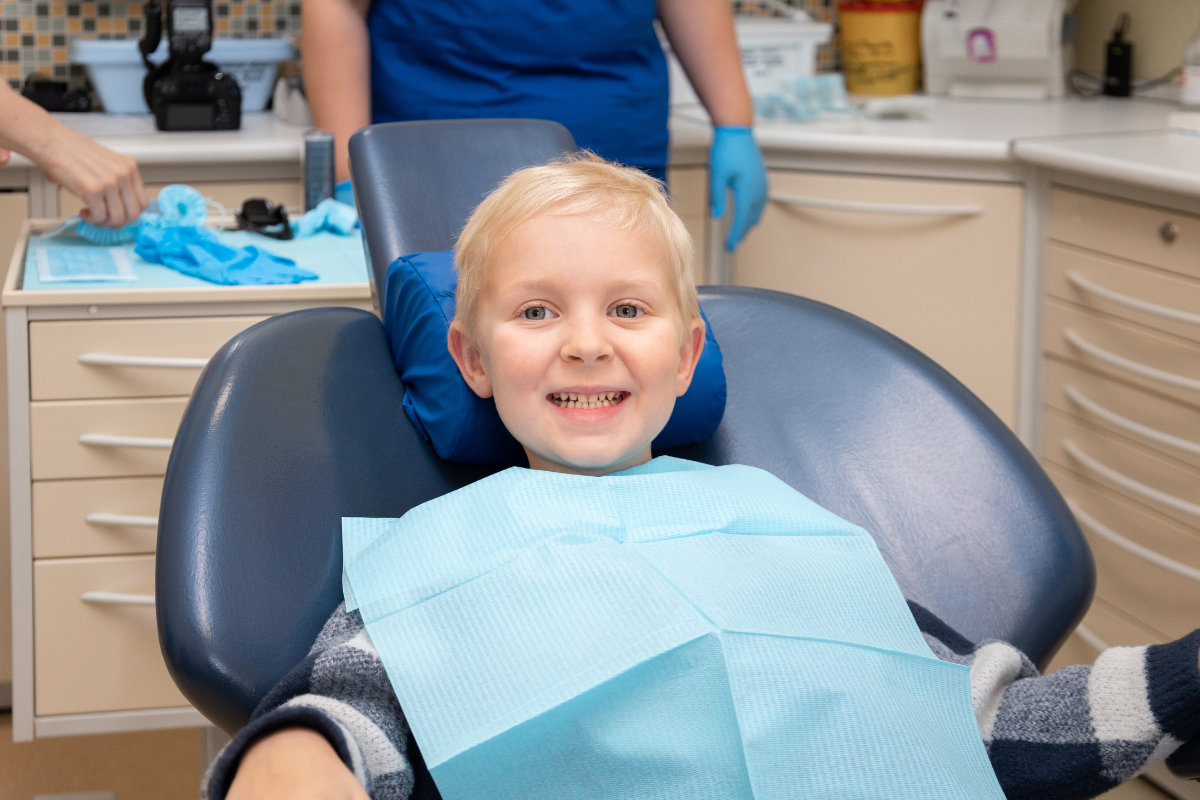
Many parents worry that an early appointment will be stressful for their child. In reality, these visits are designed to help children become familiar with the dental environment in a calm, supportive setting.
During an early preventive visit, Dr. Robert Peracchia evaluates tooth development, examines the gums and bite, discusses brushing and nutrition, and answers questions about habits such as thumb sucking or pacifier use. Depending on your child’s needs, preventive services commonly offered through New York pediatric dental care, such as professional cleanings, fluoride treatments, and dental sealants when age-appropriate, may also be recommended to strengthen developing teeth and reduce cavity risk.
Can Early Oral Hygiene Support Healthy Jaw and Tooth Development?
Yes, healthy baby teeth help guide permanent teeth into place, support normal jaw growth, and encourage proper chewing and speech development.
A child’s mouth changes rapidly during the first several years of life. Each baby tooth serves as a natural placeholder for the permanent tooth that follows. When a baby tooth is lost too early because of decay or injury, neighboring teeth may drift into the space. This can create crowding or alignment concerns later.
Early oral hygiene helps protect these important teeth while your child’s jaw continues to develop. When combined with regular preventive visits, it allows dental professionals to monitor growth and identify changes that may require attention.
Oral Health Supports More Than Just Teeth
Healthy teeth contribute to several areas of childhood development, including:
- Comfortable chewing for proper nutrition
- Clear speech development
- Healthy jaw and facial growth
- Confidence when smiling and interacting with others
- Better daily comfort without tooth pain
These benefits show why caring for baby teeth is about much more than preventing cavities.
Is It Normal to Delay a Child’s First Dental Visit?
No, waiting until a child experiences pain or visible cavities often means preventive opportunities have already been missed.
Many parents believe there is no need to visit a dental office until all baby teeth have erupted. Others assume that because baby teeth eventually fall out, early treatment is unnecessary. These are common misconceptions.
Professional evaluations during early childhood focus on prevention, education, and monitoring development rather than treating problems after they occur.
Parents frequently ask questions such as:
- Is my child’s brushing technique effective?
- Are the teeth erupting normally?
- Is thumb sucking affecting the bite?
- Is my child at higher risk for cavities?
Receiving answers early allows families to make small adjustments before minor concerns become more complex.
For families living on the Upper West Side, Morningside Heights, Manhattan Valley, and nearby neighborhoods, regular visits with your trusted pediatric dentist in UWS provide reassurance while helping children build confidence with dental care in a familiar setting.
How Can Parents Make Brushing Easier for Young Children?
Keep brushing consistent, age-appropriate, and enjoyable without turning it into a struggle.
Young children rarely understand why brushing matters. They respond much better when oral hygiene becomes part of a predictable daily routine.
Here are practical ways parents can encourage cooperation:
- Create a Consistent Routine
Brush at the same times every morning and evening, so children know what to expect.
- Brush Together
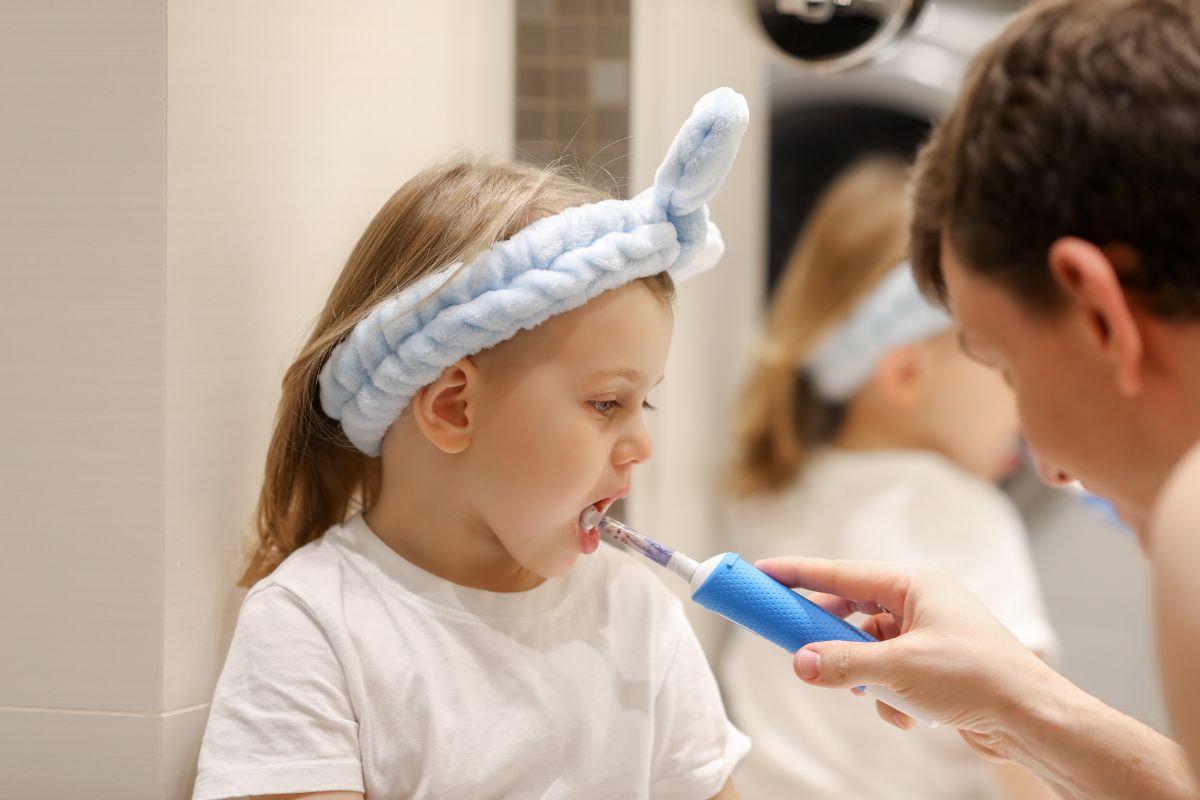
Children enjoy copying adults. Brushing as a family allows parents to demonstrate proper technique while making the activity feel normal.
- Let Children Participate
Allow your child to choose a colorful toothbrush or a toothpaste flavor approved for their age. Small choices often increase enthusiasm.
- Supervise Every Brushing Session
Most children lack the hand coordination needed to clean every tooth effectively. Parents should continue to help or supervise until brushing can be done thoroughly and independently.
- Celebrate Consistency
Simple encouragement often works better than rewards. Praising a child for brushing regularly helps reinforce healthy habits without creating pressure.
Many parents notice that once brushing becomes an expected part of the day, resistance gradually decreases.
Can Professional Preventive Care Replace Brushing at Home?
No, home care and professional care work together, and each plays a different role in protecting your child’s smile.
Daily brushing and flossing remove plaque that forms every day. Professional preventive visits allow dental teams to evaluate areas that parents cannot easily monitor at home.
During routine appointments, dental professionals may:
- Examine developing teeth and gums.
- Monitor bite changes and jaw growth.
- Identify early signs of cavities.
- Provide professional cleanings
- Recommend fluoride treatment when appropriate.
- Discuss nutrition and oral habits.
- Evaluate whether sealants may benefit permanent molars.
This partnership between parents and the dental team creates a stronger foundation for lifelong oral health than either approach alone.
Every preventive visit includes guidance to help families understand how everyday habits affect long-term dental health. Dr. Robert Peracchia also takes time to answer parents’ questions so they feel confident supporting healthy routines at home.
Does Every Small Dental Concern Need Professional Attention?
Not every concern requires immediate treatment, but every concern deserves professional evaluation.
Parents sometimes wonder if they should “wait and see” when they notice:
- White spots on the teeth
- Mild tooth sensitivity
- Occasional gum bleeding during brushing
- Teeth erupting in an unexpected order
- Small chips after a fall
Some of these situations are completely normal during childhood development. Others may indicate early enamel changes, developing cavities, or bite concerns that are much easier to manage when identified promptly.
Delaying an evaluation can allow small issues to progress, even if your child does not complain of pain. A timely examination provides clear answers and helps determine whether simple monitoring or treatment is appropriate.
How Do Healthy Habits Today Benefit Your Child Years From Now?
The goal of early oral hygiene extends far beyond childhood. Children who grow up brushing consistently, eating a balanced diet, and attending preventive dental visits often enter adolescence with stronger oral health habits. As permanent teeth erupt, these routines continue to protect enamel, support gum health, and reduce the likelihood of preventable dental disease.
Just as importantly, children who have positive experiences at the dental office are often less anxious about future care. That comfort encourages regular checkups throughout adulthood, making preventive care a lifelong habit rather than something sought only when problems arise.
Give Your Child the Foundation for a Lifetime of Healthy Smiles
The habits children develop during their earliest years often influence their oral health for decades. Brushing twice each day, making nutritious food choices, and attending regular preventive dental visits work together to protect developing teeth and support healthy growth.
Many dental concerns can be prevented or identified early through routine evaluations before they affect comfort, eating, or daily life. If you have been wondering whether it is the right time for your child’s first dental visit, there is value in having those questions answered sooner rather than later.
At West End Avenue Pediatric Dentistry, Dr. Robert Peracchia and the team are committed to helping families establish healthy oral habits that last. If you’re searching for a pediatric dentist in NYC, schedule an appointment to learn how early preventive care can support your child’s healthy smile through every stage of development.
Frequently Asked Questions
- At what age should my child begin brushing independently?
Most children are not able to brush thoroughly on their own until they develop the hand coordination needed to clean every tooth effectively. Parents should supervise and assist with brushing until they are confident their child can reach all tooth surfaces. During routine dental visits, your dental team can demonstrate proper techniques and let you know when your child is ready for greater independence.
- What should I do if my child refuses to brush their teeth?
Resistance is common, especially during the toddler years. Try making brushing part of a consistent daily routine, allowing your child to choose their toothbrush, and brushing together as a family. If brushing remains a challenge, a dental professional can recommend age-appropriate strategies to encourage cooperation and help ensure your child’s teeth stay clean.
- Are cavities in baby teeth really a concern if those teeth will fall out?
Yes. Baby teeth help children chew, speak clearly, and maintain space for permanent teeth. Cavities can lead to discomfort, infection, and premature tooth loss, which may affect future dental development. Regular preventive visits help identify early signs of decay and provide guidance to protect your child’s developing smile.
- How often should children have preventive dental checkups?
Most children benefit from routine dental examinations every six months, although some may require different intervals based on their oral health needs. Preventive visits allow the dental team to monitor growth, evaluate brushing habits, detect concerns early, and recommend treatments such as fluoride applications or sealants when appropriate.
- How can I tell if my child’s oral hygiene routine is effective?
Healthy gums, clean teeth, and the absence of plaque buildup are encouraging signs, but many early dental concerns are difficult to identify at home. Regular dental evaluations provide a more comprehensive assessment of your child’s oral health and offer parents personalized recommendations to improve daily brushing, nutrition, and preventive care routines as their child grows.