440 West End Avenue, Suite 1C New York, NY 10024


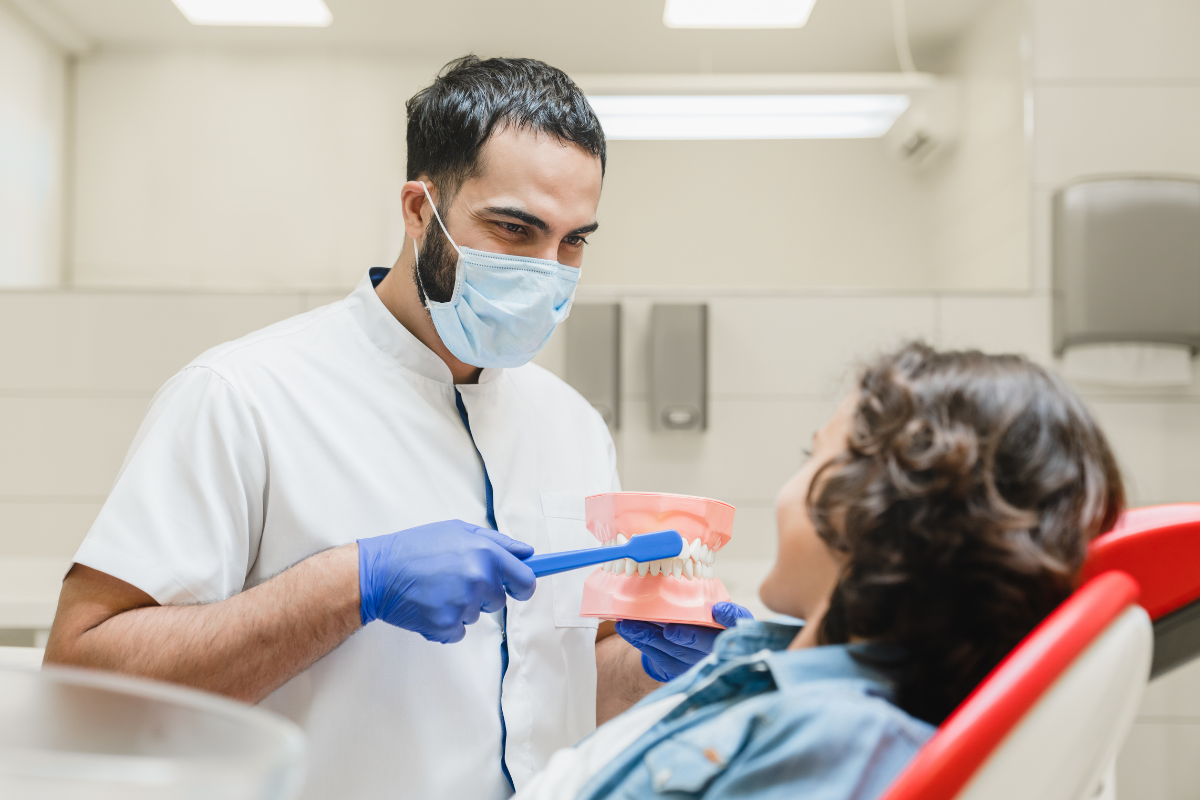
As a parent, it’s normal to want your child to have a healthy, bright smile. However, cavities remain one of the most common dental issues in toddlers. Preventing childhood cavities starts with establishing good habits early on. With the right guidance from a pediatric dentist New York, you can ensure that their oral health is on the right track. In this blog, we’ll share essential tips on preventing dental caries so your little one’s smile can stay healthy for years to come.
The Importance Of Early Dental Visits
One of the first steps to stop cavity formation in growing smiles is to schedule regular dental checkups. A New York pediatric dentist will monitor their oral health from an early age. It’s recommended to visit a dentist by their first birthday, or when their first tooth emerges.
This early visit helps build a foundation for good oral hygiene habits. Furthermore, it allows the professional to spot potential issues, like early tooth decay, before they become serious. Regular visits to a pediatric dentist New York ensure that any signs of cavities are addressed early. Your child will also get to know the dentist and feel comfortable during visits, both of which are essential as they grow older.
Why Are Cavities So Common In Youngsters?
Dental caries are one of the most common issues in children, but why? The primary culprits are sugary foods, poor oral hygiene, and the natural development of teeth. When your little one eats sugary foods, bacteria in the mouth break down the sugar, creating acids that erode tooth enamel and cause tooth decay.
How Can You Prevent Them?
- Brushing: Make sure your child brushes twice a day with fluoride toothpaste.
- Flossing: Once your child has two teeth touching, begin flossing to remove food particles and plaque between teeth.
- Healthy Snacks: Choose tooth-friendly snacks like apples, cheese, and vegetables instead of sugary treats.
Is My Child’s Diet Contributing To Tooth Decay?
We all know youngsters love sugary snacks, but did you know that diet plays a major role in cavity prevention? A diet high in sugar and starch increases plaque buildup, which leads to tooth decay. Here’s how you can guide them toward better food choices:
- Limit sugary snacks: Swap sugary treats for healthier options like fruit, veggies, and cheese.
- Water over sugary drinks: Encourage drinking water throughout the day to keep the mouth hydrated and wash away food particles.
- Calcium-rich foods: Milk, cheese, and yogurt are essential for building strong teeth.
By establishing healthy dietary habits, you’re helping ensure your child’s smile stays protected from the damaging effects of sugar and acids.
What Are The Signs Parents Should Look Out For?
As a parent, it’s important to know the warning signs of a developing cavity. Often, dental caries don’t show symptoms until they’re advanced. However, there are a few things you can watch for:
- Tooth sensitivity: If your child complains of discomfort when eating or drinking hot or cold foods, it may be a sign of decay.
- Visible holes or spots on teeth: Check for discolored spots or holes on their teeth. These could be early signs of a cavity.
- Bad breath: Persistent bad breath, even with regular brushing, could be a sign of tooth decay or gum disease.
If you notice any of these signs, schedule an appointment with a New York pediatric dentist to catch issues before they worsen.
When Should I Schedule My Toddler’s First Visit To The Dentist?
You might be wondering, “When is the right time to take my toddler to the dentist?” The American Academy of Pediatric Dentistry recommends that your child have their first visit by their first birthday or when their first tooth erupts.
Early children’s dental care helps prevent tooth decay and lays the foundation for good oral health. Here’s what you can expect:
- First visit: It’s usually a quick exam to check for any signs of tooth decay or other issues.
- Routine checkups: After the initial visit, schedule regular checkups every six months to maintain your toddler’s oral health.
How Can A Pediatric Dentist Help Stop Cavities Permanently?
As your child grows, visiting a pediatric dental clinic will help address any emerging concerns. A specialist ensures your little one’s teeth stay strong and healthy. Here’s how they can help:
- Fluoride treatments: These can strengthen tooth enamel and help prevent dental caries from forming.
- Sealants: Dental sealants are applied to the chewing surfaces of molars to protect them from decay.
- Ongoing education: Pediatric dentists offer valuable advice on oral hygiene, diet, and home care best practices.
Moreover, a pediatric dentist New York will guide you through each stage of your little one’s dental development. This will help them avoid the most common pitfalls that lead to tooth decay.
Keep Your Toddler’s Smile Healthy With The Right Care
Rest assured, taking proactive steps now will ensure that your child enjoys a healthy smile for years to come. By following a solid oral care routine, making wise food choices, and keeping up with regular oral visits, you’re giving your junior the best chance to avoid cavities and dental problems.
If you have concerns or need professional guidance, don’t hesitate to book an appointment with our pediatric dentist at West End Avenue Pediatric Dentistry. We are here to help guide you and your little one toward a future full of healthy, happy smiles, with the peace of mind that their dental health is in the best hands.
Frequently Asked Questions (FAQs)
Q. What is the best age to start dental visits for kids?
The American Academy of Pediatric Dentistry recommends a child’s first visit by their first birthday. Early dental visits help detect potential issues early and set the foundation for good oral health.
Q. How do I know if my kid has cavities?
Tooth demineralization can be detected through tooth sensitivity, visible holes, or pain when eating. If you notice these signs, it’s time for a dental exam to prevent further decay and complications.
Q. Are baby teeth important even though they fall out?
Yes, baby teeth play a crucial role in speech development, eating, and guiding adult teeth. Maintaining healthy baby teeth ensures proper alignment and overall oral health in the future.
Q. How can I prevent my child from getting cavities?
Brushing and flossing daily, limiting sugary snacks, and scheduling regular dental visits are essential. Early preventive care, including fluoride treatments and sealants, further protects against cavities and decay.
Q. Can cavities in baby teeth affect adult teeth?
Untreated dental lesions in baby teeth can affect the development of permanent teeth, causing misalignment or decay. It’s important to treat them in baby teeth to ensure healthy adult teeth grow in properly.