440 West End Avenue, Suite 1C New York, NY 10024


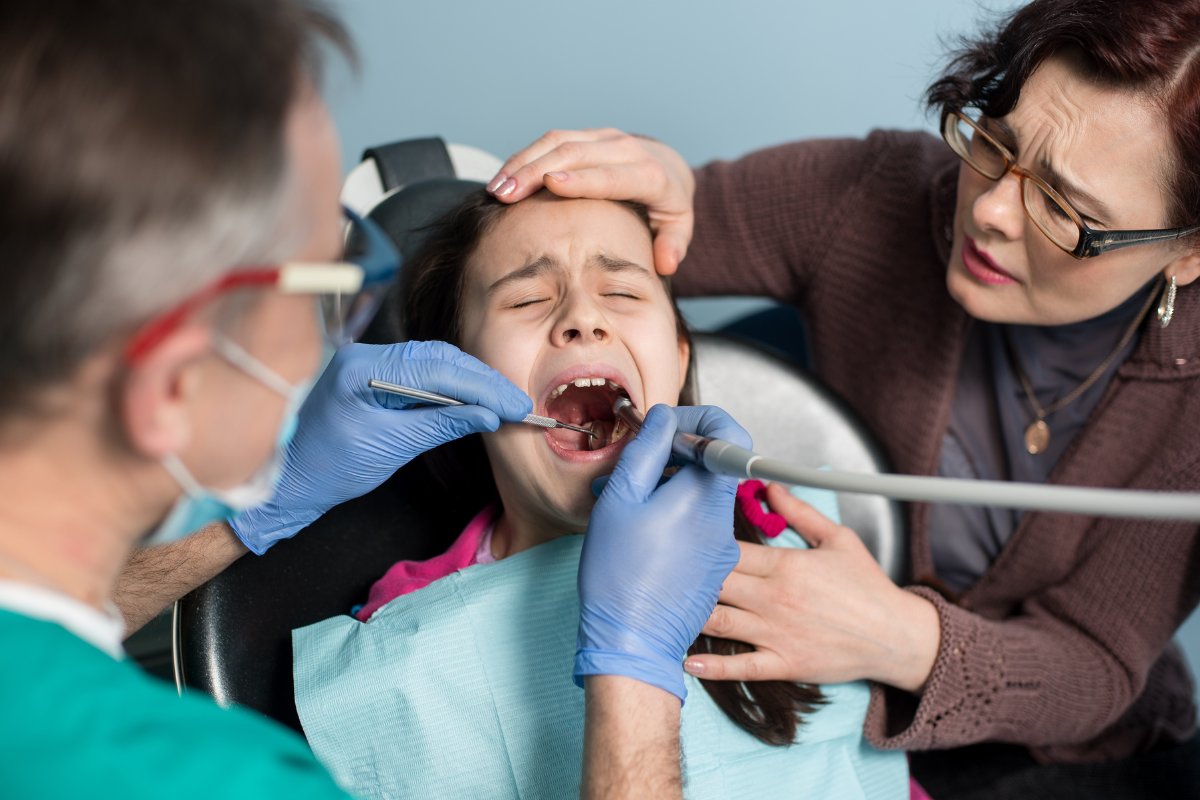
As winter sets in across New York City, the cold weather brings more than just a chill. For parents in the city, the colder months can also bring concerns over their children’s dental health, especially when it comes to late-night tooth pain.
If your child wakes up crying with a toothache in the middle of the night, it can be stressful. However, understanding whether this pain qualifies as a pediatric dental emergency and how to handle it can make all the difference.
At West End Avenue Pediatric Dentistry, we want to provide New York parents with the information they need to ensure their children get the dental care they need—quickly and effectively.
Why Does Tooth Pain Happen in Children, Especially During Winter?
There are several reasons why children may experience tooth pain, and winter in NYC can sometimes make it worse. Whether it’s the cold weather affecting sensitive teeth or the extra treats consumed during the holiday season, tooth pain can be caused by a range of factors. Let’s explore some of the common causes:
- Temperature Sensitivity
The colder months often bring biting winds and chilly air, which can make your child’s teeth more sensitive. If your child already has weakened enamel or cavities, exposure to cold air or cold drinks can trigger pain. - Dietary Habits
Holiday season foods like sugary treats, hot chocolate, and sticky candies are often a culprit in causing toothaches. Excessive sugar intake can lead to cavities, and when combined with the cold weather, it may cause increased sensitivity or pain. - Teething (for Younger Kids)
For younger children, teething can cause significant discomfort, and during the winter, the cold might intensify the pain. If your child is in the teething phase, tooth pain is common during colder months. - Sinus Infections
During winter, sinus infections can also cause pain in the teeth, especially the upper ones. In some cases, a sinus infection can cause pressure in the sinuses that may feel like a toothache. - Tooth Decay
Decay from cavities can cause discomfort that worsens at night, especially after eating. If left untreated, cavities can cause sharp tooth pain that is hard to ignore, especially during colder months. - Injury or Trauma
During winter activities, such as ice skating or playing in the snow, children are more likely to experience falls or accidents that can lead to a chipped or broken tooth. Any injury to the mouth or teeth can cause immediate pain and requires immediate attention from an emergency dentist.
What Is Considered a Pediatric Dental Emergency?
A pediatric dental emergency is a situation where a child’s dental health is at risk and requires immediate care. These types of emergencies may include:
- Severe tooth pain that doesn’t go away with over-the-counter pain relievers.
- Knocked-out or broken teeth from an accident or injury.
- Swollen gums or a painful abscess.
- Bleeding that doesn’t stop after biting down on a clean cloth.
When your child experiences significant tooth pain or any of the above, it’s essential to act quickly to prevent further complications and provide relief. Seeking emergency pediatric dentistry New York or a nearby location is a great option to prevent long-term damage and ensure your child’s comfort.
What Should You Do if Your Child Has Tooth Pain at Night?
If your child experiences tooth pain during the night, it’s important to stay calm and address the situation promptly. Here’s what you can do:
- Use Pain Relievers: For mild tooth pain, over-the-counter medications like ibuprofen or acetaminophen can provide relief. Be sure to follow the recommended dosage for your child’s age.
- Rinse with Warm Salt Water: If your child has tooth pain from something like a cavity or infection, rinsing with warm salt water can help alleviate discomfort and reduce inflammation.
- Cold Compress: Applying a cold compress to the outside of the cheek near the sore tooth can help numb the area and reduce swelling.
- Keep Your Child Comfortable: Make sure your child stays calm and avoids biting or chewing on the affected tooth. Offer soft foods to prevent further irritation.
If the pain persists or worsens, you should contact an emergency dentist for immediate care. Don’t wait for the pain to subside on its own.
When Should You Seek an Emergency Dentist for Your Child?
It’s important to know when to seek urgent care for your child’s tooth pain. Here are situations that require immediate attention:
- The pain is severe and doesn’t improve with over-the-counter pain relievers.
- Your child’s tooth is knocked out or chipped due to injury.
- You notice signs of infection, such as swelling, pus, or fever.
- The pain is affecting their ability to eat, drink, or speak properly.
In these cases, it’s best to visit a pediatric dentist right away to ensure the pain is managed and that there is no lasting damage to your child’s teeth.
How We Can Help: Emergency Care at West End Avenue Pediatric Dentistry
At West End Avenue Pediatric Dentistry, we understand that dental emergencies can happen at any time, especially during the winter months when kids are more active and exposed to colder temperatures. Dr. Robert Peracchia and our team are here to help children in New York City and nearby areas by providing immediate care for dental emergencies, including tooth pain, broken teeth, and injuries. We offer compassionate care and quick treatments to relieve discomfort and address dental issues efficiently.
If your child is experiencing tooth pain or any other dental emergency, don’t wait—contact us immediately for assistance. Book an appointment or call our office to schedule an emergency consultation today.
FAQs
- What should I do if my child’s tooth gets knocked out?
If your child’s tooth is knocked out, try to place it back in the socket or store it in milk. Seek immediate care from an emergency dentist to increase the chance of saving the tooth. - How can I tell if my child’s tooth pain is serious?
If your child experiences persistent or severe pain, swelling, or bleeding, it may indicate a dental emergency that requires prompt attention. - Can I wait until morning to take my child to the dentist?
If your child is experiencing significant pain or bleeding, it’s best to seek emergency care immediately. Delaying treatment could worsen the issue. - How do I prevent tooth pain in my child during the winter?
Maintaining regular dental checkups, promoting proper oral hygiene, and limiting sugary snacks can help prevent tooth pain in children. Also, ensure that your child avoids chewing on hard objects, especially during colder months. - Will my insurance cover emergency dental care?
Many dental insurance plans cover emergency care. It’s best to check with your provider for specific coverage details and discuss payment options with the dental office.