440 West End Avenue, Suite 1C New York, NY 10024


If your child plays soccer in Central Park, practices martial arts after school, or joins the swim team at a local YMCA, you already know how active city kids can be. New York children lead busy, physical lives, and with that comes the chance for dental injuries.
Sports-related tooth injuries are more common than most parents realize. A ball to the face, an elbow during a game, or a fall on the court can chip, crack, or even knock out a tooth. However, one simple device can prevent most of these injuries: a sports mouthguard.
At West End Avenue Pediatric Dentistry, Dr. Peracchia and our team see children from across the Upper West Side and all over New York City. We want parents to feel informed about mouthguards for kids in New York, what they are, who needs them, and how to get the right one for their child.
Why Sports Mouthguards Matter for Kids
Children’s teeth are still developing. A hit to the mouth during a game can cause serious, long-lasting damage. Baby teeth and permanent teeth are both at risk, and dental injuries in childhood can affect your child’s smile, speech, and oral health well into adulthood.
A sports mouthguard is a protective device that fits over the teeth and absorbs the impact of a blow to the mouth or jaw. It cushions the teeth and gums and helps reduce the risk of:
- Chipped or cracked teeth
- Knocked-out teeth
- Cuts to the lips, tongue, and cheeks
- Jaw fractures
- Concussions (in some cases)
According to the American Dental Association, athletes who do not wear a mouthguard are 60 times more likely to suffer tooth damage. That is a number no parent should ignore.
Which Sports Require a Mouthguard?
Many parents think oral guards are only for contact sports like football or boxing. In reality, any sport that involves movement, speed, or a hard object puts your child’s teeth at risk.
High-Impact Sports
These sports carry the highest risk for dental injuries:
- Football
- Hockey (ice and field)
- Lacrosse
- Boxing and martial arts
- Rugby
Moderate-Risk Sports
These sports also put teeth in danger more often than parents expect:
- Basketball
- Soccer
- Baseball and softball
- Gymnastics
- Skateboarding and cycling
In New York, kids are often involved in multiple sports across different seasons. That makes having a proper sports mouthguard especially important for families in this city.
Types of Mouthguards: What You Need to Know
Not all oral guards are the same. There are three main types, and the difference in the protection they offer is significant.
- Stock Mouthguards
These are ready-made and come in standard sizes. They are the least expensive option and can be found at most sporting goods stores. However, they offer the weakest protection because they do not fit the mouth well. They can also make it harder to breathe and talk.
- Boil-and-Bite Mouth guards
These are softened in hot water and then shaped around the teeth by biting down. They fit better than stock guards, but the fit can still be loose or uneven.
- Custom-Fitted Mouthguards
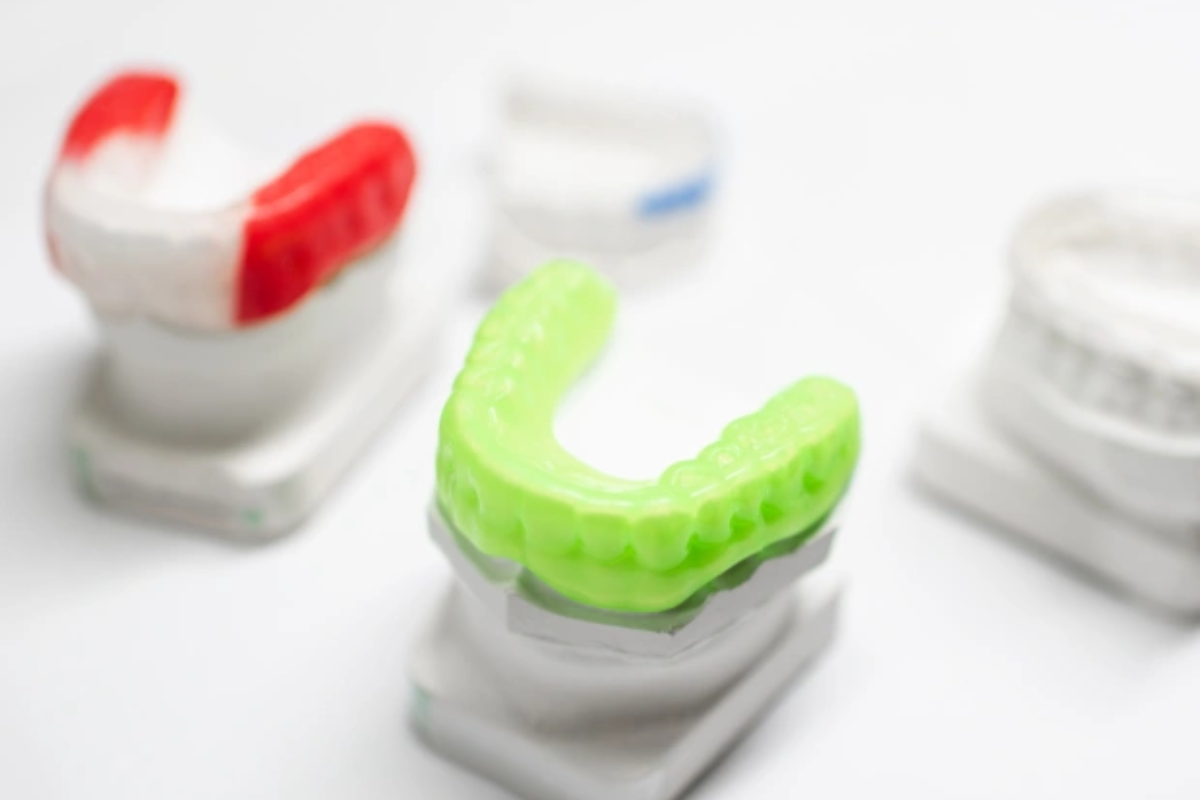
Custom dental guards are made by a dentist. Your child’s mouth is measured, and a mouthguard is created that fits exactly. This type offers the highest level of comfort and protection. It also lasts longer and is less likely to interfere with breathing or speech.
For growing children, a custom-fitted sports mouthguard from a dentist is the most reliable choice. It may cost more upfront, but it gives parents peace of mind that their child is truly protected on the field.
How a Dentist Fits a Sports Mouthguard for Your Child
Getting a custom mouthguard from a dentist is a simple process. Here is what to expect:
- The dentist will examine your child’s teeth and take an impression (a mold) of their upper teeth
- The mold is sent to a lab where a mouthguard is created to match your child’s exact bite
- When the mouthguard is ready, your child will try it on to confirm the fit
- The dentist will make any adjustments needed for comfort
The whole process is quick and comfortable. Most children find custom mouthguards much easier to wear than store-bought versions.
As your child grows, their teeth will shift, and new permanent teeth will come in. The dentist may recommend replacing the mouthguard every season or after significant dental changes. Regular check-ups help make sure the fit stays correct.
How to Care for Your Child’s Mouthguard
A mouthguard works best when it is clean and in good shape. Teach your child these simple habits:
- Rinse the mouthguard with cool water before and after every use
- Clean it with a soft toothbrush and mild soap, never hot water
- Store it in a ventilated case to prevent bacteria buildup
- Keep it away from heat and direct sunlight
- Check it regularly for tears, cracks, or a loose fit
If the mouthguard starts to feel loose or looks worn, it is time for a replacement. A damaged mouthguard cannot provide the protection your child needs.
Signs Your Child Needs a New Mouthguard
Even a well-made mouthguard does not last forever. Watch for these signs that a replacement may be needed:
- The mouthguard feels loose or no longer fits snugly
- There are holes, cracks, or thin spots in the material
- Your child has recently had dental work done (braces adjustment, extraction, or new teeth)
- The mouthguard has an odor that does not go away after cleaning
If you are unsure whether the current mouthguard still fits properly, bring your child in for a quick check. This is especially important for growing children who visit a kids’ dentist in New York City for routine exams.
Tips for Getting Your Child to Wear a Mouthguard
Some children resist wearing mouth guards because they feel bulky or strange at first. Here are a few ways to encourage your child to wear one consistently:
- Start early — the younger children begin wearing a mouthguard, the more quickly they get used to it
- Choose a color or design your child likes — many custom guards come in fun colors
- Model the behavior — talk positively about wearing one as a normal part of playing sports
- Explain the reason — children respond well when they understand why safety gear matters
- Make it routine — put the mouthguard in the sports bag alongside the cleats and shin guards
Wearing a sports mouthguard should be as natural as wearing a helmet. It protects something that cannot easily be replaced: your child’s teeth.
If your child plays sports or is about to start a new season, now is a great time to visit our dental office in NYC for a custom mouthguard fitting. Our team makes it easy and comfortable for kids of all ages.
Protect Your Child’s Smile, Schedule a Fitting Today
Active children in New York face real risks on the field and in the gym. A properly fitted sports mouthguard is one of the easiest ways to protect their teeth and avoid painful, costly dental injuries.
Whether your child is starting a new sport or has been playing for years, investing in the quality mouthguards for kids New York parents often choose can help keep their smile protected. Do not wait until after an injury to take action.
Book an appointment today at West End Avenue Pediatric Dentistry, and let us create a custom sports mouthguard that fits your child perfectly. Our friendly team is here to answer all your questions and make every visit a comfortable experience.
We are conveniently located at 440 West End Avenue, Suite 1C, New York, NY 10024. We proudly serve families from the Upper West Side, Manhattan Valley, Morningside Heights, and beyond.
Frequently Asked Questions
- At what age should my child start wearing a sports mouthguard?
Children can start wearing a mouthguard as soon as they begin playing contact or active sports, regardless of age. A kids’ dentist can recommend the right type and timing based on your child’s dental development.
- Are store-bought mouthguards good enough for my child?
Store-bought options offer some protection, but they often do not fit well. A poorly fitting mouthguard may shift during play and leave teeth exposed. Visiting a pediatric dentist for a custom fit is the more reliable choice for active children.
- How often should a child’s sports mouthguard be replaced?
Most dentists recommend replacing a mouthguard at least once a year, or whenever a child has significant dental changes. Regular check-ups help confirm whether the current fit is still correct.
- Can my child wear a mouthguard if they have braces?
Yes. In fact, wearing a mouthguard is especially important for children with braces. A dentist can fit a guard that works alongside orthodontic appliances and protects both the teeth and the braces hardware.
- Does insurance cover the cost of a custom sports mouthguard?
Coverage varies depending on your dental plan. Speaking directly with a dentist’s office can help you understand your options and determine the most practical path forward for your family.