440 West End Avenue, Suite 1C New York, NY 10024


Your child’s smile is a reflection of their confidence and happiness. Most parents spend considerable time deciding when to introduce their little ones to orthodontic treatment for healthy, straight teeth. If you are one of them or notice that your child’s teeth are coming in unevenly or their bite appears slightly off, this blog is for you.
Braces are mostly recommended to young patients who experience severe oral health complications due to misalignments or bite problems. It’s natural to feel unsure about the timing of pediatric orthodontic intervention for your child as a parent. Keep scrolling below to understand when kids typically need this corrective tooth-positioning system, the benefits, age considerations, and more.
When Should Kids First See an Orthodontist?
Surprisingly, the American Association of Orthodontists recommends that children have their first evaluation by age 7, Although this doesn’t mean that their child will need braces immediately. However, it does allow for monitoring their development and spotting potential issues early by a pediatric dentist in New York.
At this stage, your child’s mouth is still growing, and they have a mix of baby and adult teeth. This makes identifying and addressing problems easier before they become oral health complications. Even if their teeth appear straight, subtle bite issues or misalignment may be detected during this initial visit.
Benefits of Early Orthodontic Care
When kids begin treatment around 7 to 10 years old, they may receive what’s known as Phase I treatment. This early intervention focuses on correcting specific issues while the jaw develops.
Some of the key benefits include:
- Preventing Overcrowding: Creating space for adult teeth to emerge properly.
- Guiding Jaw Development: Ensuring the upper and lower jaws grow in harmony.
- Correcting Bad Habits: Addressing thumb-sucking or tongue-thrusting issues in children that can impact their dental alignment.
- Reducing the Risk of Trauma: Fixing protruding front teeth, which are more prone to injury.
- Potentially Avoiding Surgery: Minimizing the need for tooth extractions or more invasive treatments later on.
Signs That Indicate Your Child May Need Braces
Below are some common signs that could indicate the need for orthodontic care in little ones:
- Difficulty chewing or biting into food.
- Overlapping or crowded teeth.
- Huge gaps or uneven spacing between teeth.
- Clicking or shifting of the jaw when opening and closing.
- Prolonged thumb-sucking or pacifier use (past age 3).
A consultation is still a good idea even if your child isn’t showing any obvious signs. Some alignment issues aren’t visible to the naked eye and require proper evaluation by a pediatric orthodontist.
Types of Braces to Consider
If your child does need a tooth-positioning system, there are two main options to choose from:
- Traditional Metal Braces: These are the most common option and are highly effective for correcting even complex dental alignments. Today’s metal brackets are smaller and more comfortable than they used to be.
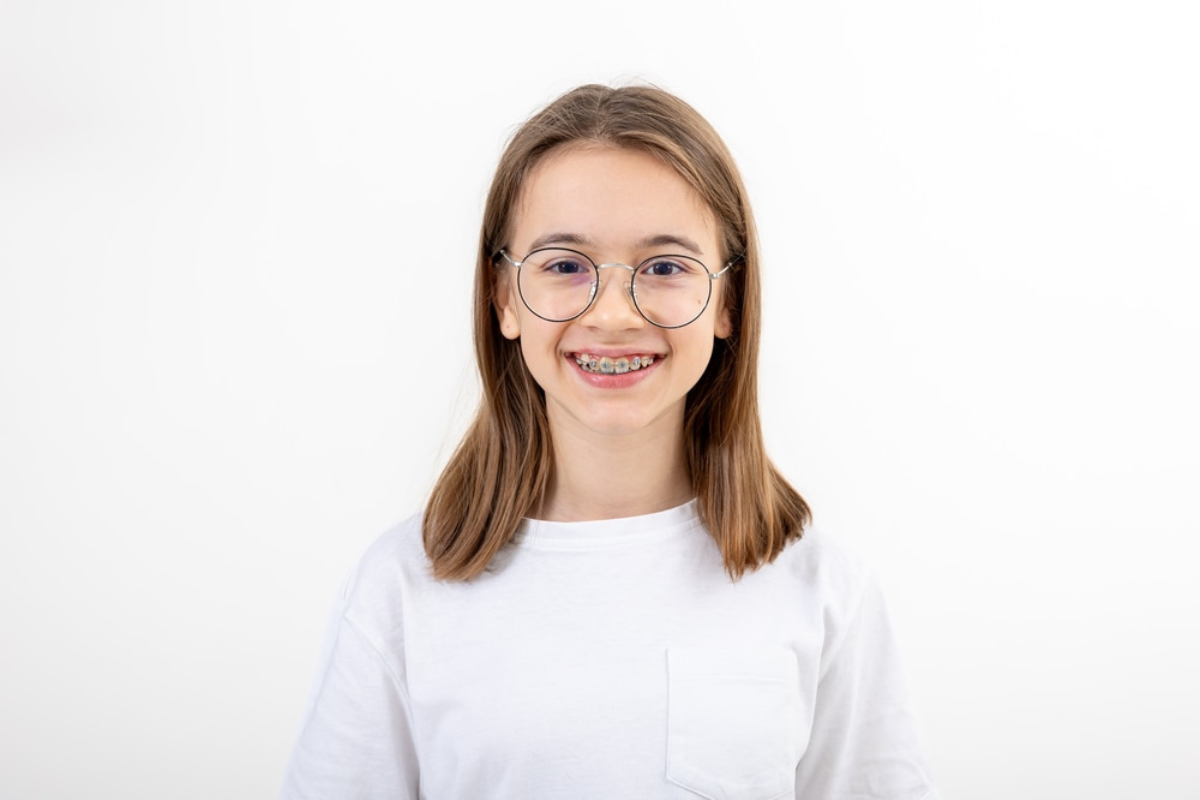
- Tooth-Colored Braces: Also known as ceramic braces, these blend in with the natural tooth color, making them less noticeable. These corrective appliances are popular among older kids and teens who prefer a more discreet orthodontic experience.
What to Expect During the First Orthodontic Visit?
Your child’s initial consultation is designed to be informative and stress-free. During the visit, you can expect:
- X-rays and Photos: These help the dentist assess teeth and jaw development in little ones.
- A Thorough Exam: Advanced technology allows precise diagnosis to check for signs of crowding, misalignment, or bite issues.
- A Customized Treatment Plan: If the dentist or orthodontist recommends braces, you’ll receive a tailored plan outlining the steps and timeline for your child’s care.
When it comes to braces, timing matters. Schedule your child’s first orthodontic evaluation around age 7 for early detection of orthodontic issues. This often sets the stage for a healthier, straighter smile without needing invasive procedures.
Whether your child needs metal braces or the tooth-colored option, schedule an appointment today with Dr. Robert Peracchia.